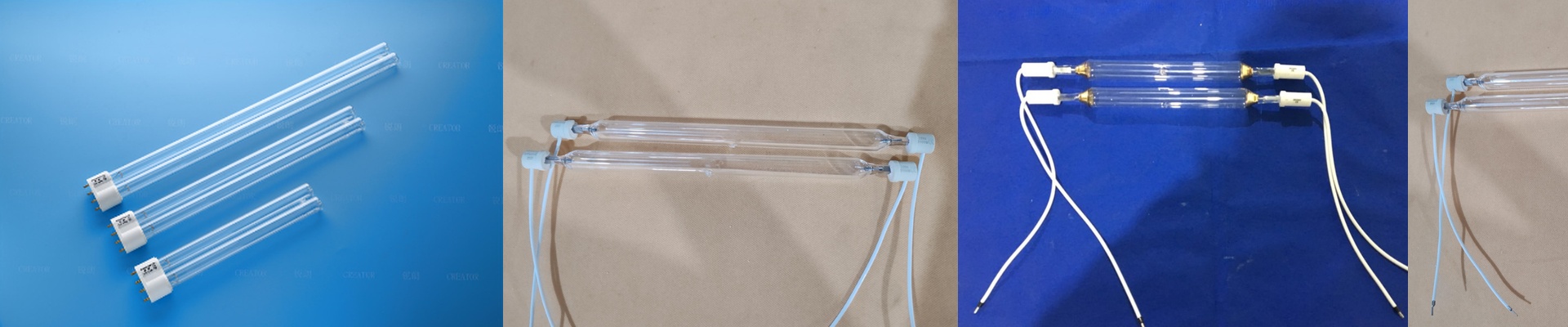
On the press floor, you know the drill. Brackets, curved panels, textured housings—those shapes routinely beat standard UV setups. The geometry throws shadows, and in those shadowed zones the energy just falls off. You end up with ink that won’t cure, tacky surfaces, and scrap.
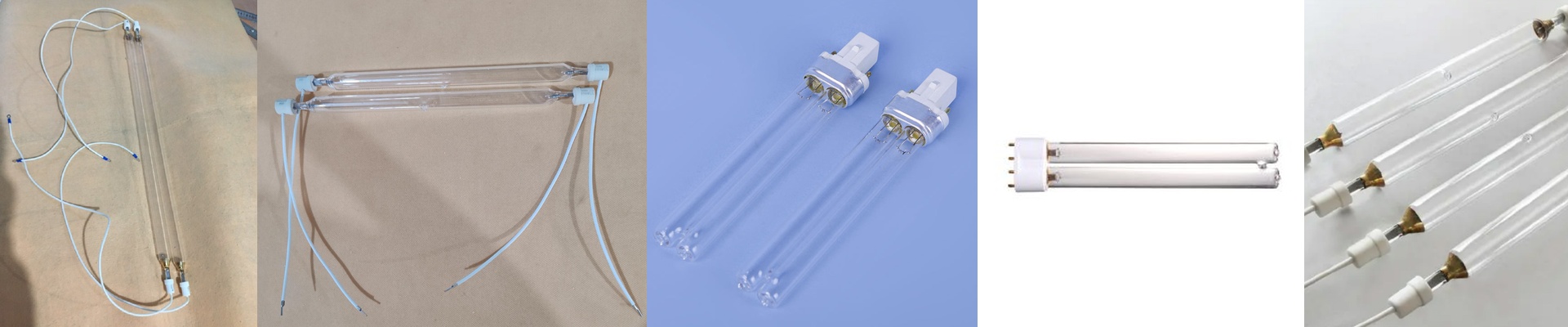
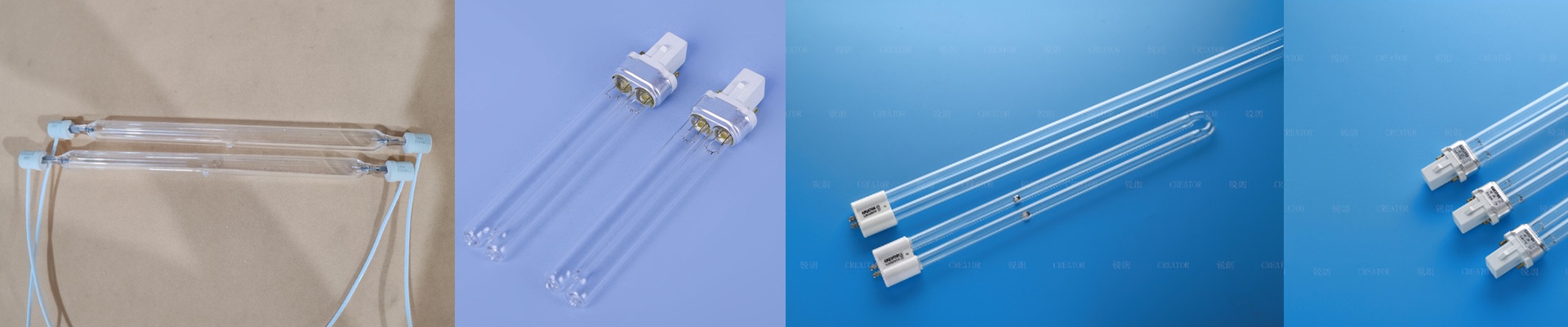
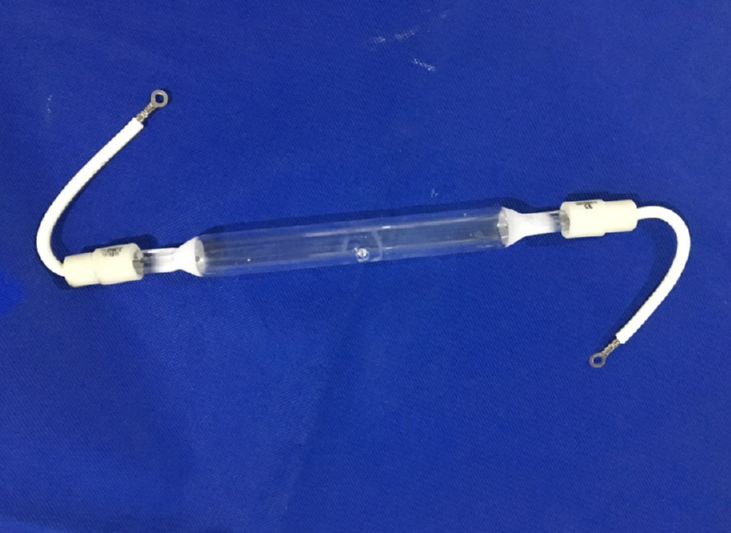
More lamp power isn’t the answer. What fixes it is tight spectral output and energy distribution that’s engineered for the part. What matters under the hood We run metal halide gallium UV lamps with a stable arc discharge that puts the energy right where the photoinitiator window needs it. The spectral profile is tuned to hit strong output at 365 nm and 385 nm, with controlled energy at 405 nm. That gets you surface cure and deeper cure without cooking the substrate. At the focal plane, peak irradiance hits 12 W/cm², and the delivered energy density stays repeatable at 800–1200 mJ/cm² across the cure window. A dichroic-coated reflector concentrates output into a clean envelope, boosting spectral efficiency by about 22% compared with bare reflectors. Ozone-free quartz envelopes keep the air cleaner and cut down on maintenance. Why it works on irregular parts With odd contours, you match the lamp output to the shape. Set the reflector geometry and focal distance so the energy map follows the print path, and you wipe out the dead angles where the substrate blocks the beam. No more curing shadows that come back as adhesion failures and downstream defects. You can run faster without cranking the lamp power, and quality stays stable from batch to batch. In production, that means fewer rejects, ink adhesion that holds, and throughput you can count on. What you need to keep straight Installation tolerances are tight. Alignment, lamp-to-substrate distance, and reflector cleanliness directly control the dose you actually deliver. The system plays with most UV offset, flexo, and screen presses, but integration means matching the spectral curve to the ink chemistry. Expect output decay after roughly 6,000 hours. Plan replacements on a schedule so dose stays consistent.
در سالن پرس، روند کار را میدانید. براکتها، پنلهای خمیده، قابهای بافتدار—این اشکال معمولاً از تنظیمات استاندارد UV عملکرد بهتری دارند. هندسه باعث ایجاد سایه میشود و در آن مناطق سایهدار انرژی به شدت کاهش مییابد. در نتیجه، با مرکبی مواجه میشوید که خشک نمیشود، سطوح چسبناک و ضایعات تولید میشود. افزایش قدرت لامپ راه حل نیست. چیزی که مشکل را رفع میکند، خروجی طیفی دقیق و توزیع انرژی است که برای قطعه مهندسی شده باشد. آنچه زیر کاپوت اهمیت دارد ما از لامپهای UV گالیوم هالید فلزی با تخلیه قوس پایدار استفاده میکنیم که انرژی را دقیقاً در جایی قرار میدهد که پنجره فوتواینیسیاتور نیاز دارد. پروفیل طیفی طوری تنظیم شده که خروجی قوی در 365 نانومتر و 385 نانومتر داشته باشد، همراه با انرژی کنترل شده در 405 نانومتر. این ترکیب، خشک شدن سطحی و عمقی را بدون آسیب رساندن به بستر فراهم میکند. در صفحه کانونی، تابش پیک به 12 W/cm² میرسد و چگالی انرژی تحویلی در محدوده 800–1200 mJ/cm² در پنجره خشک شدن ثابت و قابل تکرار باقی میماند. یک بازتابنده با پوشش دیکرویک خروجی را در یک محدوده تمیز متمرکز میکند و بازده طیفی را حدود 22٪ نسبت به بازتابندههای ساده افزایش میدهد. پوششهای کوارتز بدون اوزون هوای تمیزتری حفظ کرده و نگهداری را کاهش میدهند. چرا روی قطعات نامنظم کار میکند در قطعات با کانتورهای نامتعارف، خروجی لامپ را با شکل مطابقت میدهید. هندسه بازتابنده و فاصله کانونی را طوری تنظیم کنید که نقشه انرژی مسیر چاپ را دنبال کند و زاویههای مردهای که بستر پرتو را مسدود میکند حذف شود. دیگر سایههای خشک شدن که به شکست چسبندگی و نقصهای بعدی منجر میشوند، وجود نخواهند داشت. میتوانید با سرعت بالاتر بدون افزایش توان لامپ کار کنید و کیفیت از دستهای به دسته دیگر ثابت باقی میماند. در تولید، این به معنای کاهش ضایعات، چسبندگی دائمی مرکب و راندمان قابل اطمینان است. آنچه باید دقیق رعایت شود تلرانسهای نصب بسیار دقیق هستند. تراز بودن، فاصله لامپ تا بستر و تمیزی بازتابنده مستقیماً دوز واقعی تحویلی را کنترل میکنند. این سیستم با اکثر دستگاههای چاپ UV افست، فلکسو و اسکرین سازگار است، اما برای یکپارچهسازی باید منحنی طیفی با شیمی مرکب تطابق داده شود. پس از حدود 6,000 ساعت، کاهش خروجی انتظار میرود. برنامهریزی جایگزینیها باید به گونهای باشد که دوز تحویلی ثابت باقی بماند.