Introduction
When you’re running a wood flooring line, the clock is always ticking. The conveyor keeps moving, and you need a topcoat that cures instantly—and then stands up to real life. Scuffs. Scratches. Foot traffic. That’s exactly why we build UV lamp bulbs that are pure muscle for industrial curing. The kind of high-intensity UV that stays steady, shift after shift, so your line never has to slow down to get a finish that actually lasts.
The Reality on the Line
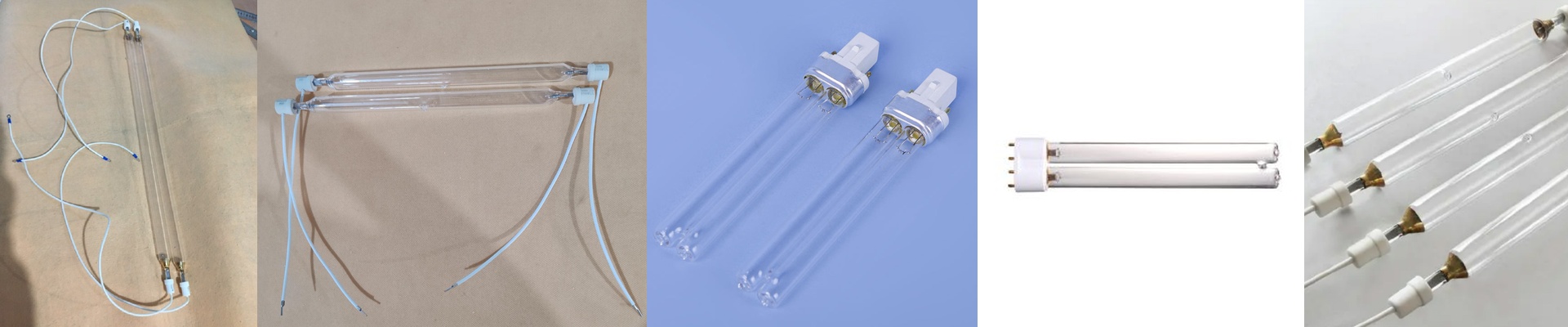
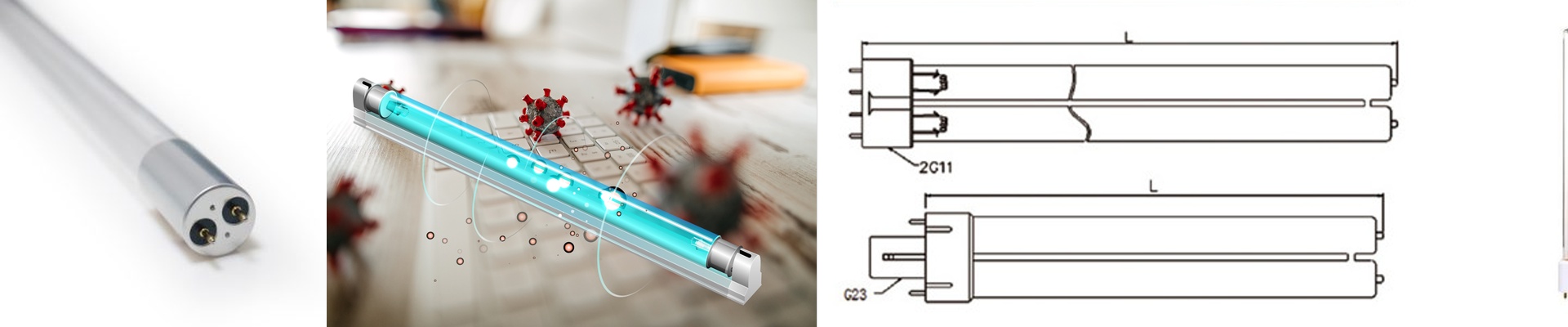
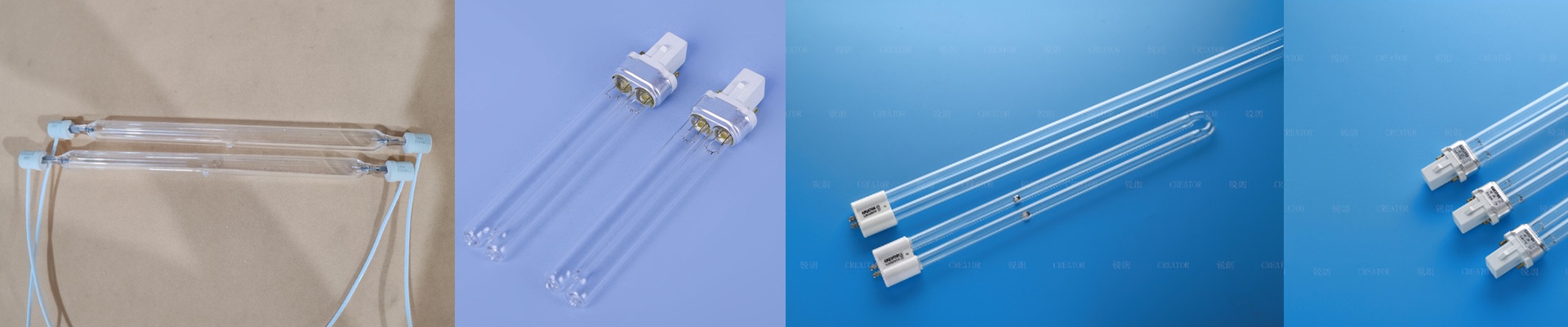
Here’s what matters when you’re curing on a wood floor line: the UV has to hit hard and fast. Enough power to fully crosslink the coating in seconds, without forcing the conveyor to crawl. So we lean into serious wattage—typically 2500W to 3000W, running on 400V. That kind of punch gives you the peak irradiance needed for thick, glass-smooth coatings. And the lamp length? It’s matched to the curing zone, usually between 300mm and 600mm. That way the beam covers the full width of the board, and you keep that curing window tight. Tight means fast. Fast means you keep moving.
What’s Inside Matters
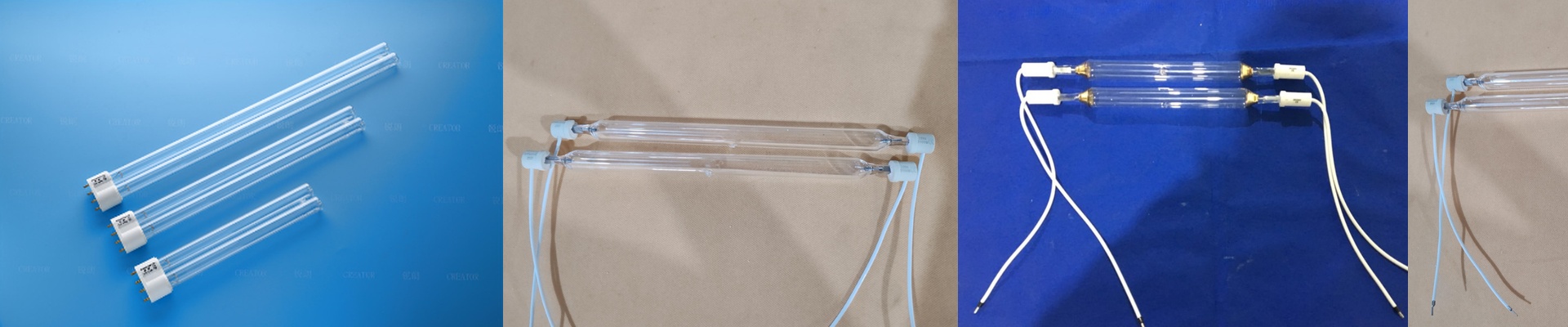
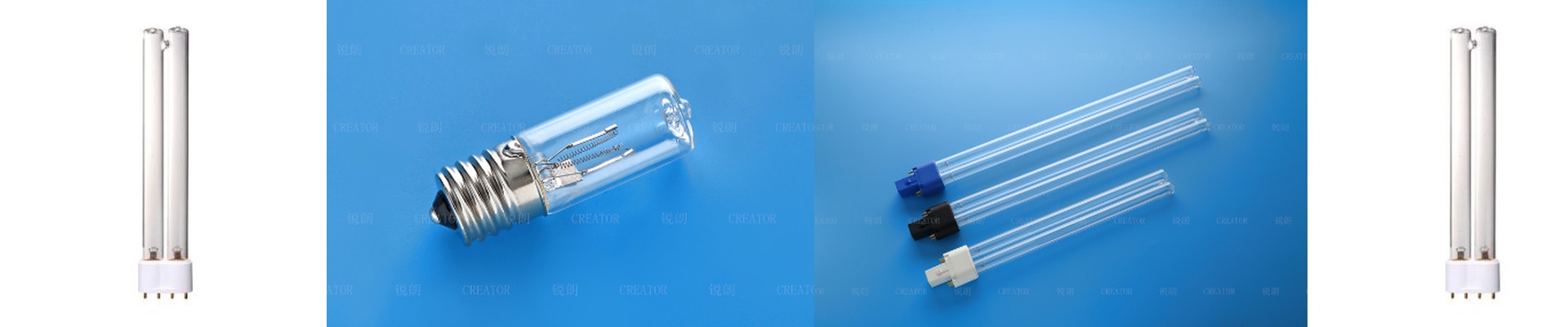
We use quartz envelopes because they do two things well: they transmit UV cleanly, and they handle the shock of rapid on/off cycling without cracking under pressure. Inside, the gas fill and filament design keep the arc stable, so the output stays consistent—today, tomorrow, and on the night shift. The bulb coating is tuned to push the spectrum into the sweet spot for curing, so the photoinitiators in the coating absorb the energy instead of wasting it. Then there’s the R7s connector. It’s a practical, industrial choice. It holds contact solid, handles high current, and stays cool. And the bi-pin design makes lamp changes almost effortless—just a quarter turn and the old lamp drops out.
What It Feels Like on the Floor
On a wood flooring line, this setup lets you cure a scratch-resistant topcoat in a flash. The kind of finish you can stack and handle immediately, without waiting around. You get a dense, crosslinked surface that resists scuffing and holds its gloss because the UV output is concentrated where it counts. And because it uses an R7s base, the lamp is a straight swap in most fixtures. That means less downtime when a lamp needs changing. But there’s one thing to keep in mind: with this kind of power density, cooling and ventilation have to be right. If you don’t manage the heat, you can end up with blistering on the coating and the lamp won’t last like it should. When it’s balanced, though? You get a tough, glossy finish at production speed, and your line keeps moving the way it should.