Getting Your Can-End Preheating Right
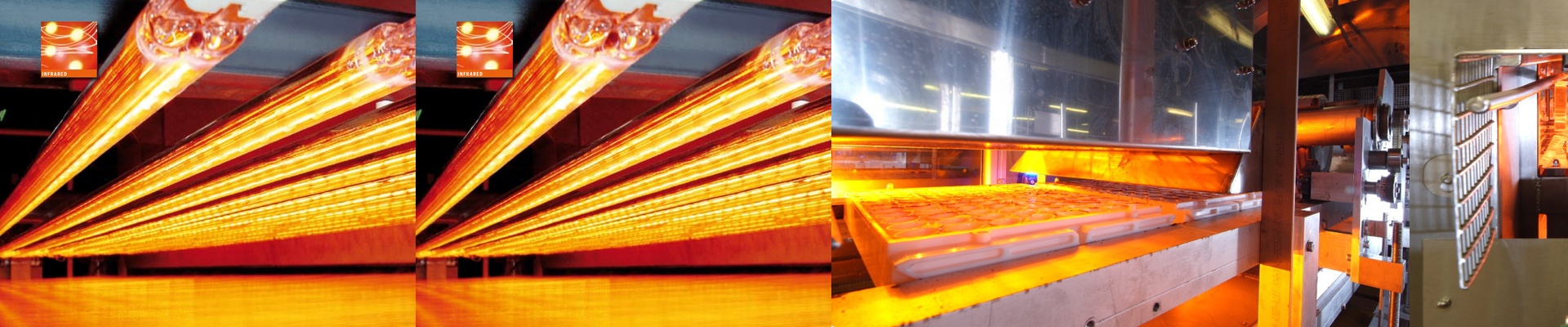
Most IR lamps are just guessing. They pump out energy, but a huge chunk of it never actually hits the target. In can-end production, you’re working with very specific glues and thin films. If the lamp’s wavelength isn’t a perfect match for those polymers, the heat just bounces off or sits on the surface. The result? Your cure times drag on and your bonds end up inconsistent. It’s frustrating.
Hitting the Sweet Spot
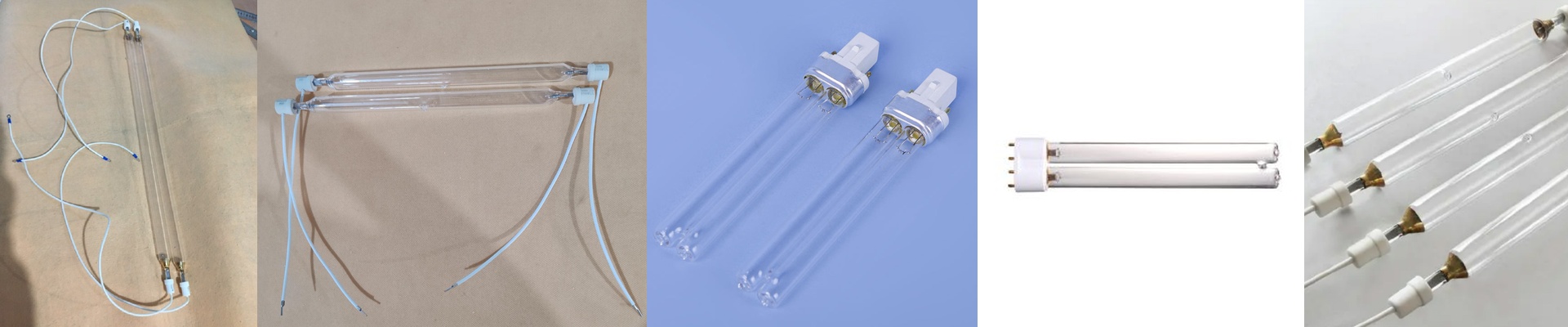
We don’t do “generic.” You’ll hear people talk about “shortwave” or “medium-wave” as if those are the only options, but that’s not how we handle it. Instead, we look at the actual chemistry of your film or glue. We find that exact molecular vibration—the absorption peak—and we build the lamp to hit it. By tweaking the filament material and the quartz envelope, we shift the energy so it actually sinks into the material. It stops heating the air and starts heating the product.
The Trade-Off
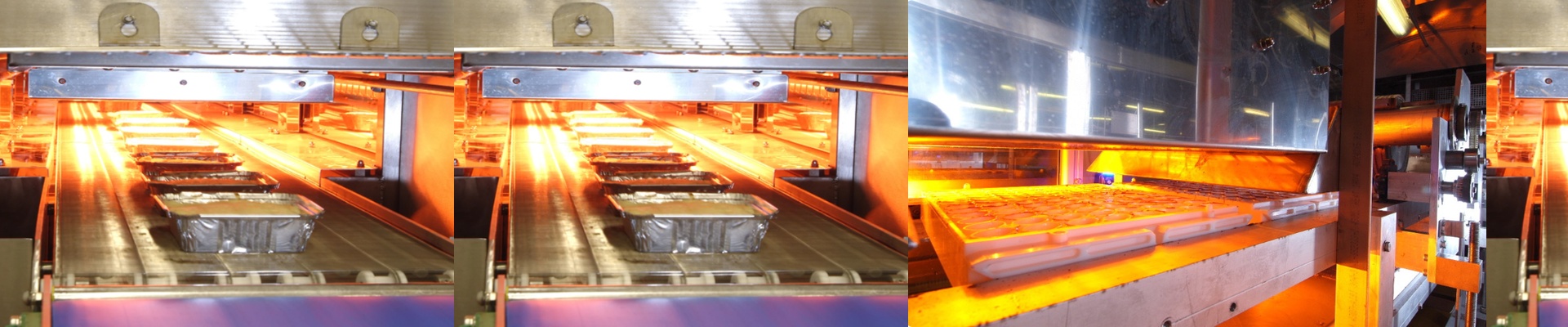
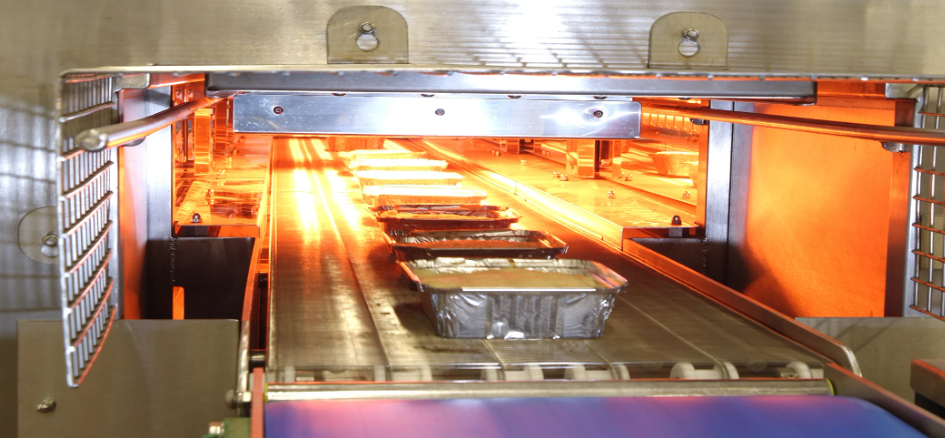
When the energy goes exactly where it needs to, things happen fast. Really fast. You can actually shrink the footprint of your heating tunnel because the heat transfer is so direct. But there’s a catch. This kind of high energy density puts a lot of stress on the hardware. When we tune a lamp for maximum absorption, that quartz tube is going to run hot. You’ll need to make sure your cooling and airflow are up to the task. If you don’t, you’re just trading a slow cure for a burnt-out lamp.
Making it Work in the Real World
We build these to be drop-in replacements. I don’t want you spending a weekend rewiring your entire line just to get better heat. Whether it’s a weird length or a custom connector, we handle the specs so it just fits. It all comes down to simple physics: matching the emitter to the absorber. When those two curves overlap, you use less power to hit your temperature. No more guessing, no more “hoping” the glue set properly. It just works.