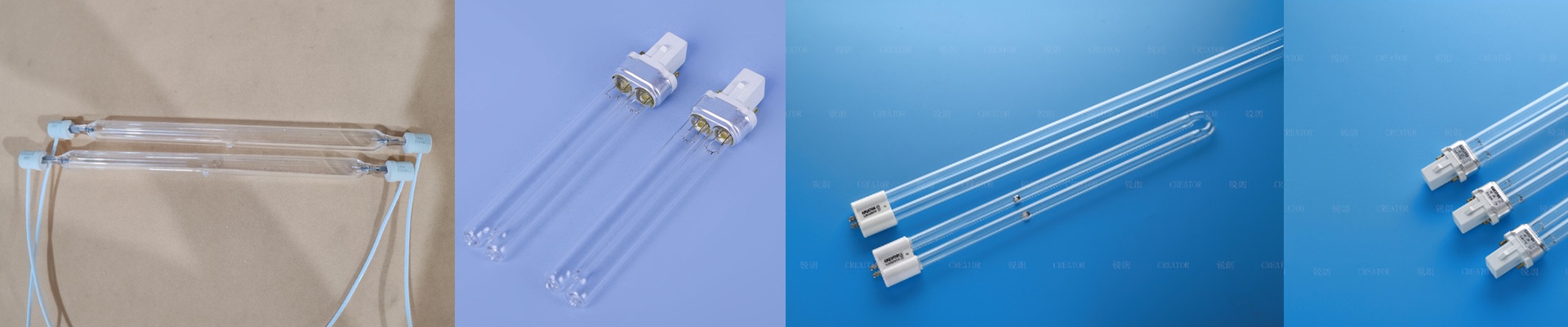
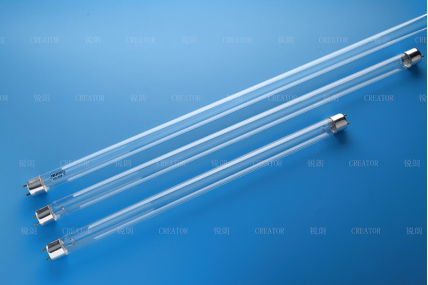
When marble tiles come off the line still tacky, the knee-jerk reaction is usually to blame the ink. More often than not, though, the real culprit is the UV lamp slipping into light decay. A mercury-vapor UV curing lamp that used to hold steady peak irradiance at 365nm starts drifting down. Energy density at the substrate surface drops below what the photoinitiator needs to fully cross-link. The result is surface tack, dust pickup, and scrap. What actually matters On marble stone decoration, it comes down to spectral match. Standard photoinitiators in UV offset/flexo/screen inks are driven by 365nm; 385nm and 405nm are more typical for LED-tuned formulations. On the floor, we talk about two numbers that count: peak irradiance (mW/cm²) at the working distance, and delivered energy density (mJ/cm²) across the cure window. Power density alone is useless if the reflector efficiency and dichroic coating aren’t doing their job to keep intensity uniform across the full width. Stability is measured in run hours, not marketing. The baseline you should be verifying with a spectral radiometer is units that run 5,000+ hours with less than 5% output drop. Why this is especially true on marble Marble is cold and dense. It pulls heat away and reflects UV unevenly, so cure performance is highly sensitive to lamp intensity stability. When the lamp holds tight spectral output at 365nm and repeatable energy density, cross-linking stays consistent from job to job. That kills the sticky surface you get from a false cure. You end up with faster cycle times without cranking up line speed, fewer rejects, and fewer lamp changes that shut the press down. A few things to get right Size the lamp to the curing chamber, the reflector geometry, and the substrate path. Just throwing higher power density at it can shorten lamp life and pile on substrate heat, so match the lamp to the ink chemistry and the cure window. Make sure it’s compatible with your press brand and lamp socket. And always verify intensity with a calibrated radiometer at the actual working distance — otherwise you’ll be chasing numbers that don’t match what the substrate is really seeing.