Why we’re swapping steam for Infrared in aseptic can lines
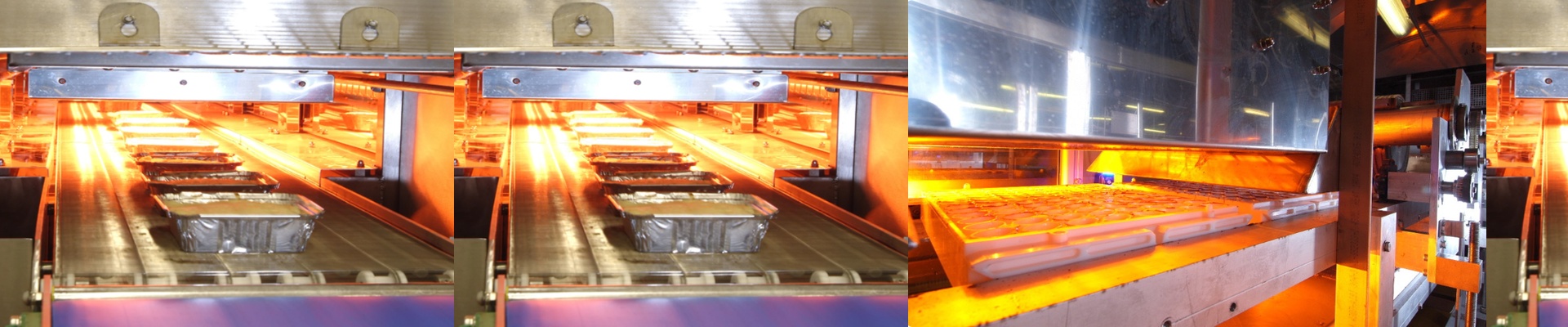
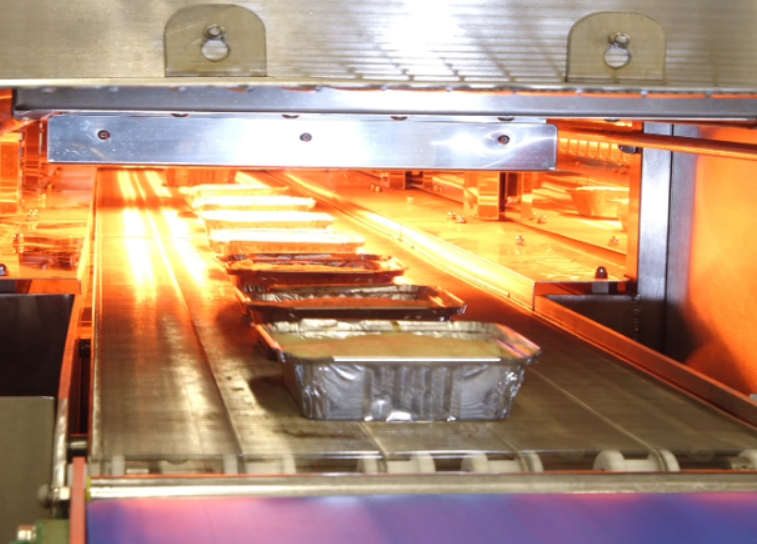
Getting aseptic packaging right is a balancing act. You need things sterile, but you can’t bake the product into oblivion. For a long time, the go-to was steam or convection tunnels, but we’ve moved away from that. Now, we use Shortwave Infrared (SWIR). The big difference? We stop trying to heat the air. That’s a waste of time. Instead, the IR hits the can surface directly. It’s a much cleaner way to work.
The heat, the speed, and the space
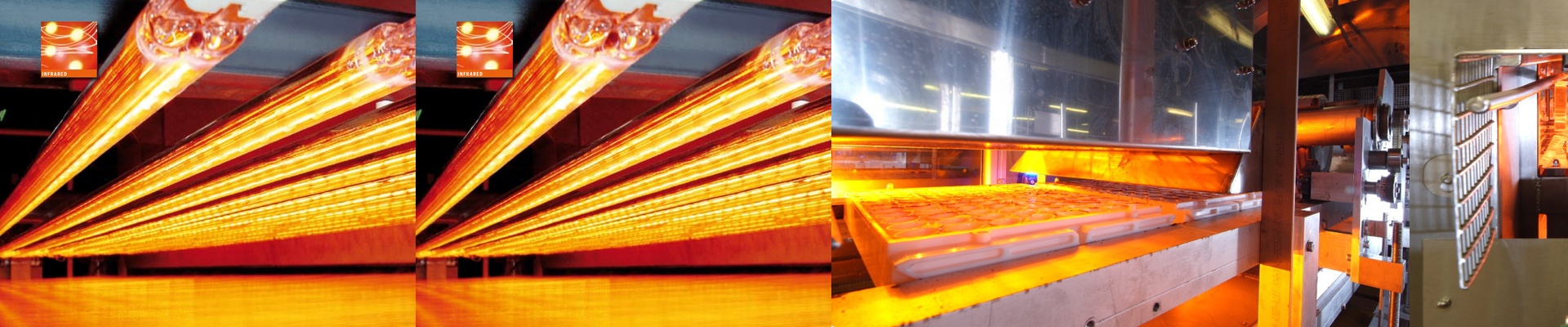
We use high-wattage lamps because we need them to ramp up fast. By focusing the energy into a tight spectral band, we hit the target temperature in a matter of seconds. It’s fast. Really fast. And that changes everything for your floor plan. Since you aren’t lugging around a massive tunnel, you get more heat in a much smaller footprint. But here is the catch: all that energy creates a lot of heat in a small area. You can’t skimp on the cooling fans or ventilation. If you don’t vent the housing properly, you’ll end up frying your own control electronics. Trust me, you don’t want that.
The gear: Quartz and Halogen
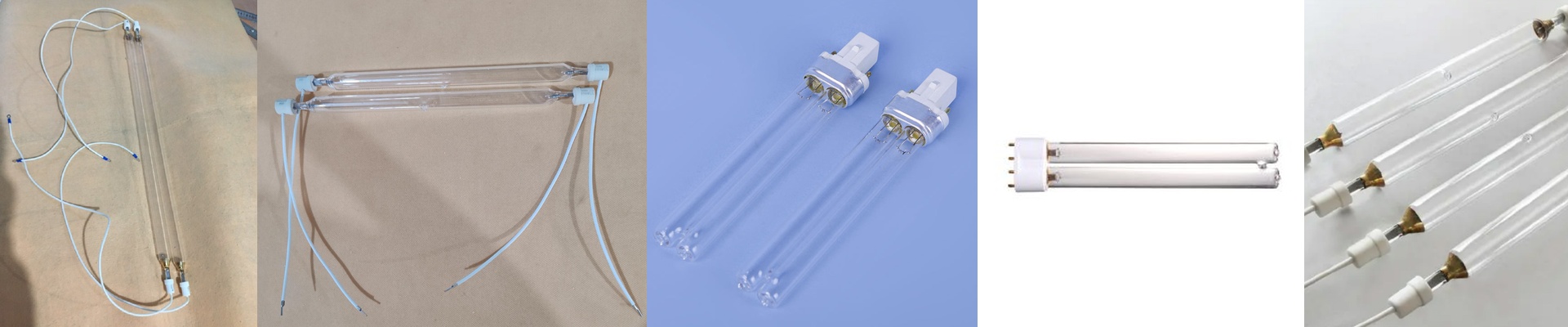
We build these lamps with high-purity quartz glass. Why? Because these things cycle on and off constantly. Quartz can handle that thermal shock without cracking under pressure. We also fill the tubes with halogen gas so the filament doesn’t evaporate too quickly. It just makes the lamps last longer. Depending on the line, we often add a coating to the elements. This tweaks the emission spectrum so the can material actually absorbs the heat rather than reflecting it. It stops the energy from “bouncing” off the metal and accidentally melting your conveyor belt.
Real talk: Carbon and Power
Moving from gas-fired ovens to IR lamps is a huge win for the environment. You’re getting rid of onsite combustion and switching to electricity. If your plant is already running on renewables, your carbon footprint for preheating basically vanishes. Installing these is usually a simple drop-in replacement for old tunnels. You hook it up to a PID controller to keep your temperatures locked in. Just a heads-up on the power side: the initial electrical load is higher. Before you flip the switch, double-check your breakers. You need to make sure they can handle the surge when the lamp bank kicks in.