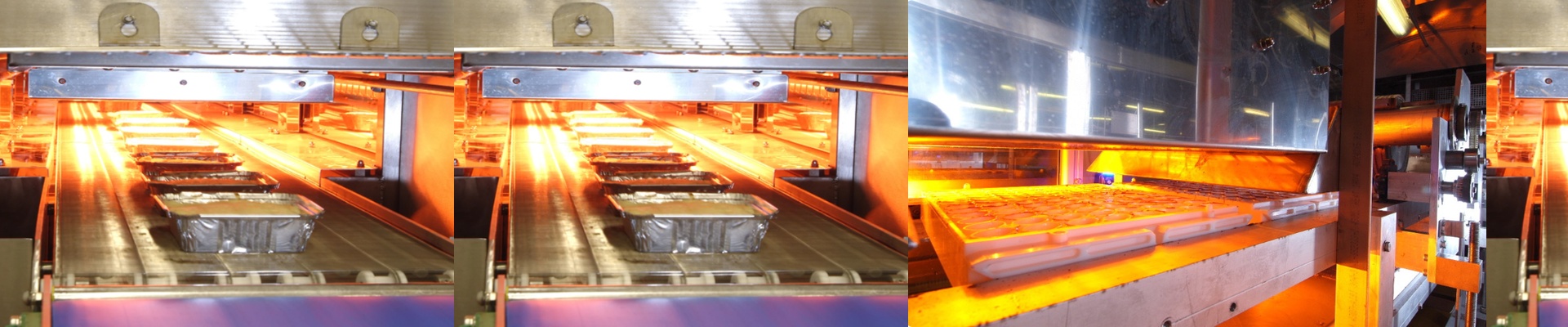
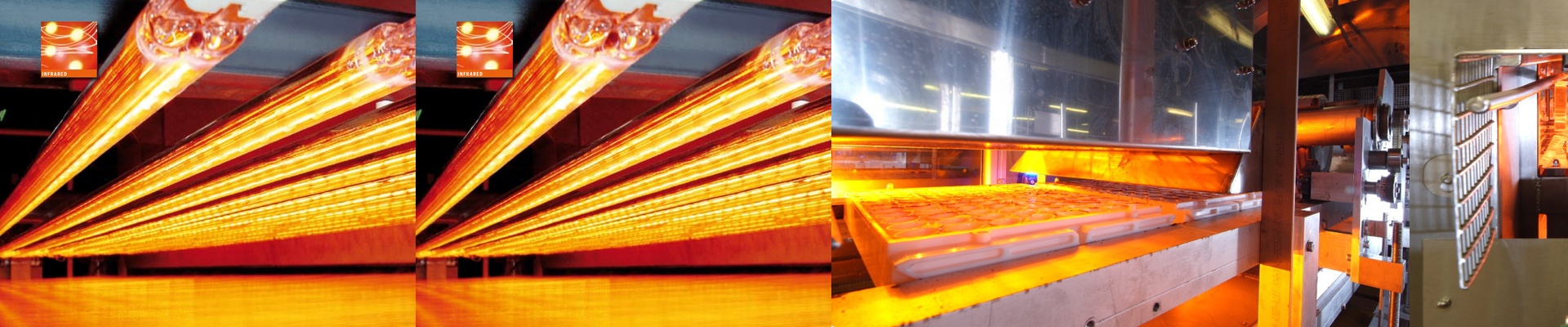
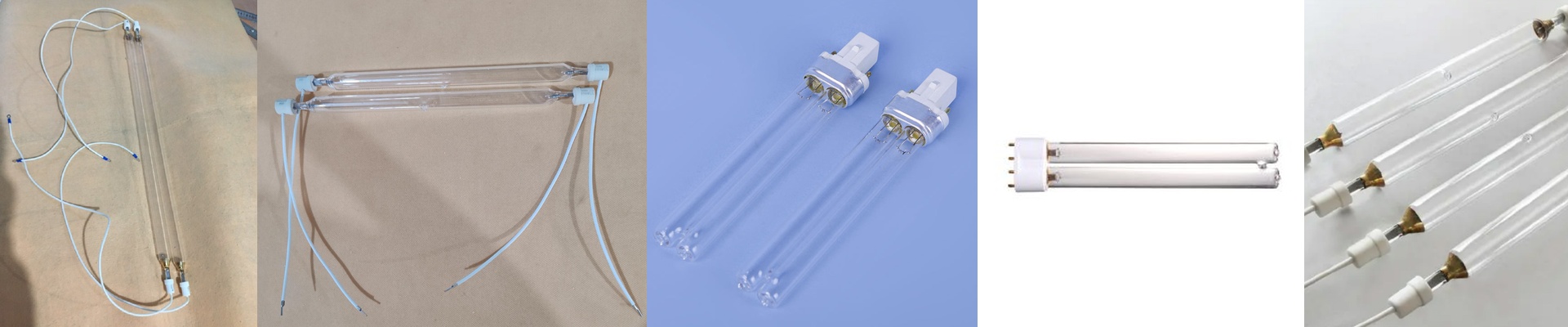
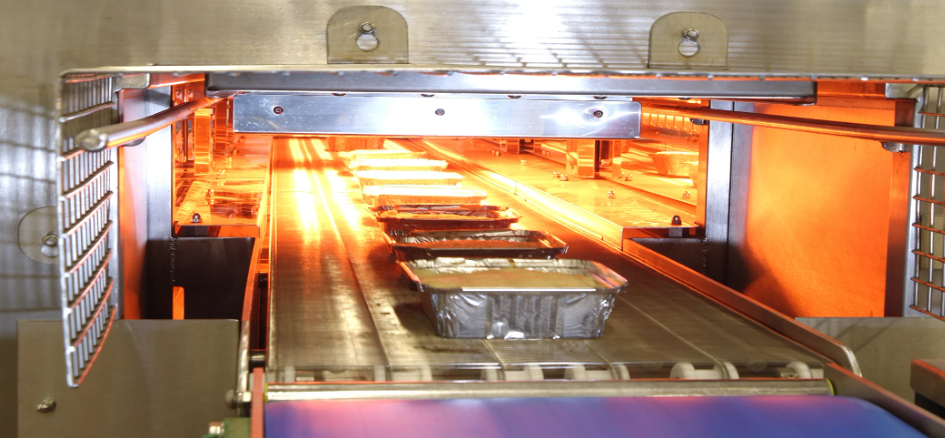
If you’ve got water hanging around in the sealing zone of your cans, you’ve got a problem. It’s that simple. A few lingering drops during the seal can lead to contamination or a leak, and that’s a nightmare nobody wants on their shift. To fix this, we put short-wave infrared (IR) lamps right into the thermoforming lines. They basically flash-evaporate that moisture before the seal even closes. Here is the cool part: these lamps don’t waste time heating up the air. They go straight for the water molecules. We set them up to hit the target zone with a ton of intensity, turning droplets into vapor in a fraction of a second. It’s a mechanical fix for a hygiene headache. By getting rid of the water, you’re removing the place where bacteria love to hang out. When it comes to the gear, you need something that can keep up with a high-speed line. We usually lean toward quartz-halogen tubes because they hit temperature almost instantly. Just a heads-up: if you’re wiring these into your existing PLC, make sure your controllers can handle the rapid cycling. Short-wave IR is the way to go because it actually penetrates the surface. But be careful. These things gethot. If you skimp on the cooling fans or heat sinks, you’ll end up baking your own sensors and wiring. Not a great look. The real win here is the hygiene. No water means no “micro-leaks” and no mold growing inside your sealed product. It just makes the whole line cleaner. Plus, it’s way better than using air knives. Air knives can actually blow contaminants into the can, which defeats the whole purpose. IR lamps are non-contact and dry. You get a tighter seal and a faster process. Just keep an eye on the lamps. Once the filament starts to go, the evaporation slows down, and you’ll start seeing your reject rate climb. Keep them fresh, and you’re golden.