Uneven drying on the press isn’t just a quality issue—it’s a yield killer. When UV cure isn’t consistent, the heat field across the platform creates cold spots. Those cold spots leave ink uncured, and then you’re dealing with adhesion failure and scuffing downstream. The fix isn’t more heat. It’s precise, repeatable UV energy.
What matters, technically
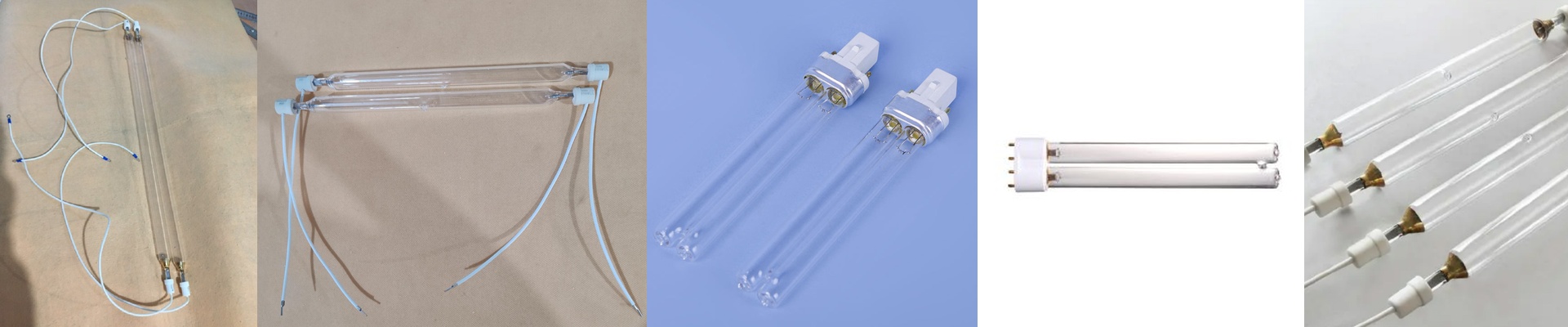
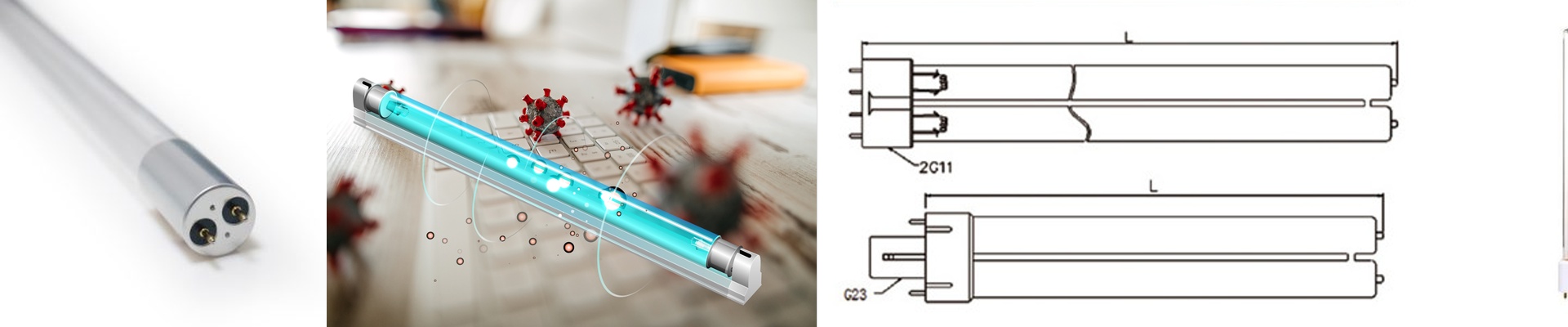
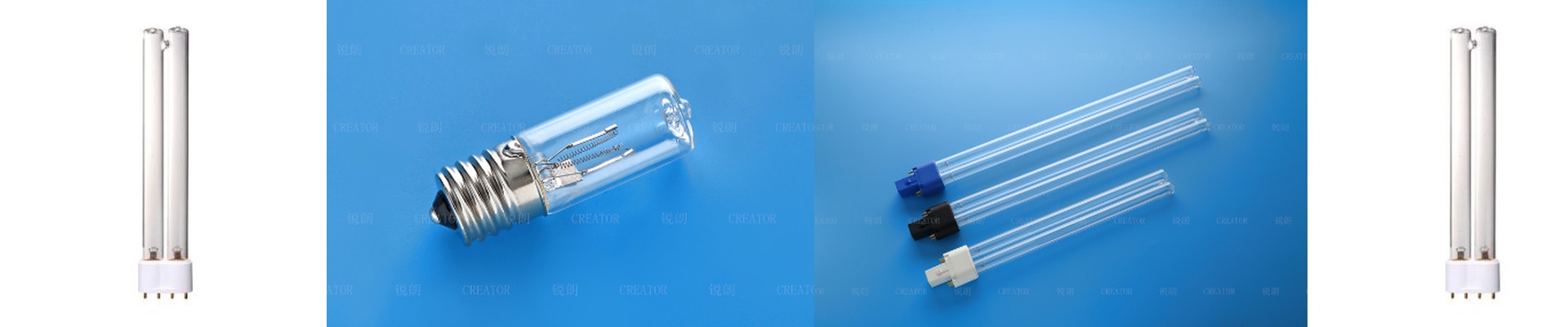
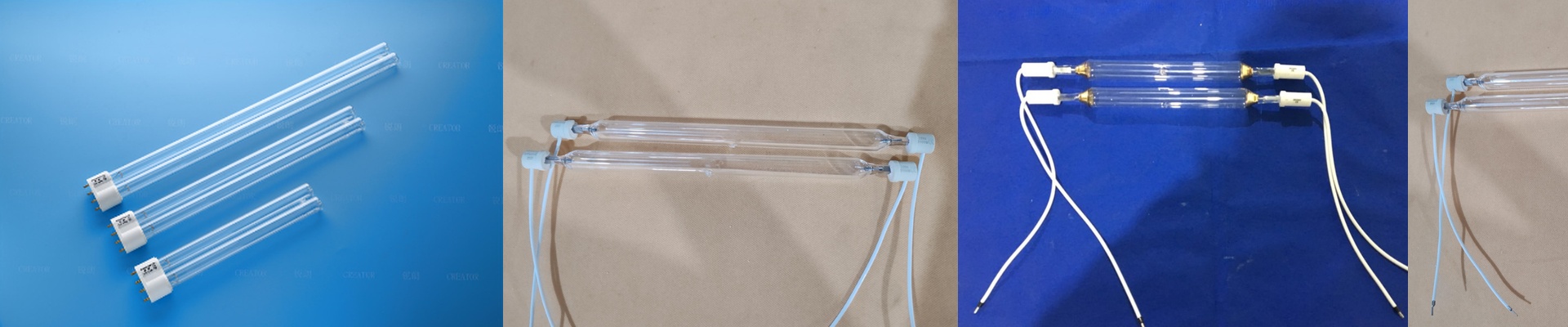
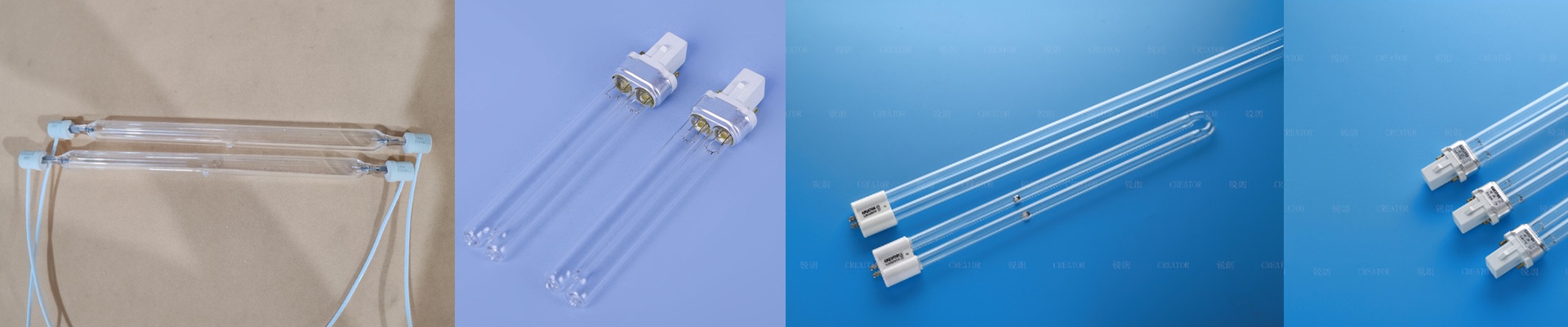
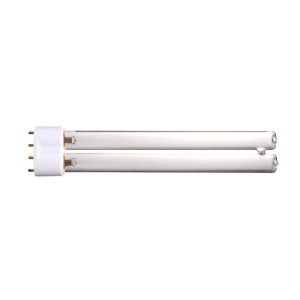
We built the automatic UV curing lamp around a high-pressure mercury vapor lamp. It gives a stable spectral output centered at 365 nm, tuned for the photoinitiator absorption you see in offset, flexo, and screen inks. Peak irradiance at the substrate hits 1200 mW/cm², so you get an instant surface cure and deep penetration into thicker ink films. The dichroic-coated reflector focuses the output and keeps IR down, so the substrate runs cooler while cross-linking finishes completely. We calibrate the output to deliver 800 mJ/cm² across the full width, measured right at the nip. That’s how you get uniform energy density, edge to edge.
Why it holds up on the floor
On the shop floor, the automatic lamp drops into existing print platforms with PLC synchronization. Exposure starts and stops with the press run, not with who’s on the controls. The payoff is consistent cure, job after job. You end up with higher first-pass yield because the entire print width cures evenly, and ink adhesion meets spec without hot-cold banding. Energy use drops, too, since the lamp only fires when it’s needed. Lamp life stays steady at 5,000+ hours, with less than 5% output decay.
The details that make the difference
Installation has to be dead-on—alignment and a clean optical path matter. Dust on the reflector or the quartz window can cut effective irradiance by 10–15%. Check your ink’s photoinitiator window and set dwell to match line speed. If you don’t, you’ll chase under-cure when you run fast. If you’re in an ozone-sensitive environment, spec the ozone-free variant and route the exhaust the way it was designed.