Introduction
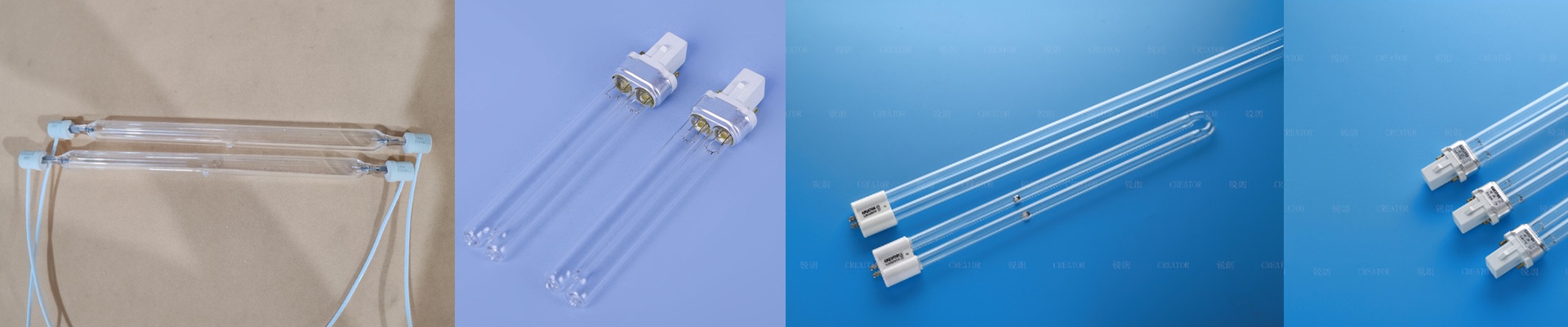
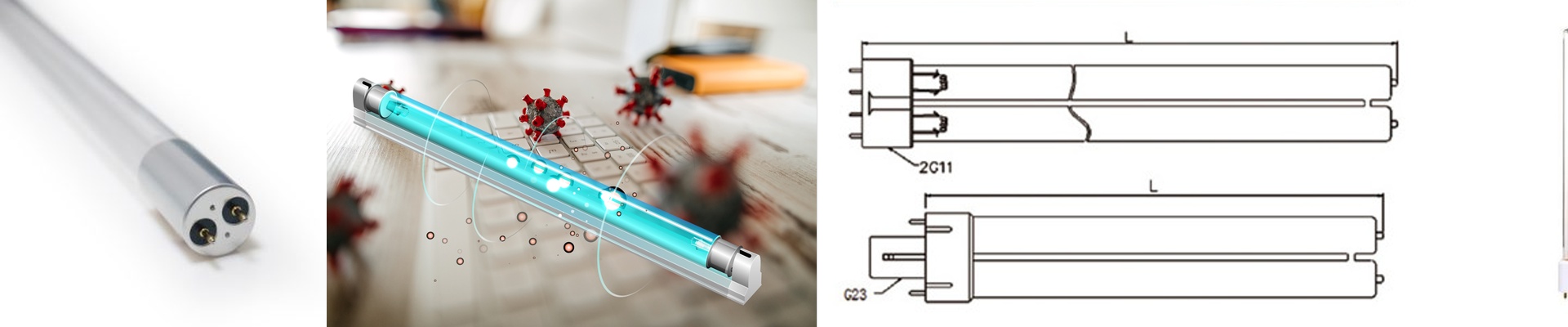
When you’re making PCBs, getting soldermask to stick to those fine lines isn’t something you can cut corners on. It has to be consistent, every single time. That’s exactly why we build UV lamp systems for our OEM and ODM partners—the kind of partners who need a dependable, controllable energy source to nail that soldermask cure. The whole point? Giving you the exact light spectrum and dose you need, at the exact line speed you’re running.
The Power Behind the Process
Here’s the thing: soldermask curing is a photochemical reaction, sure, but it still needs rock-solid electrical input to work right. We spec our lamps to run on 400V. That extra headroom keeps them firing up consistently and running smoothly, even when your factory voltage dips and spikes. The wattage is matched to the tube length and the peak brightness you need, so the lamp hits the right energy density fast. Why does that matter? On those tiny traces, too little dose leaves the mask tacky. Too much, and you risk cracks and yellowing. Our lamps make sure you hit that sweet spot every single cycle.
Built to Last, Built to Fit
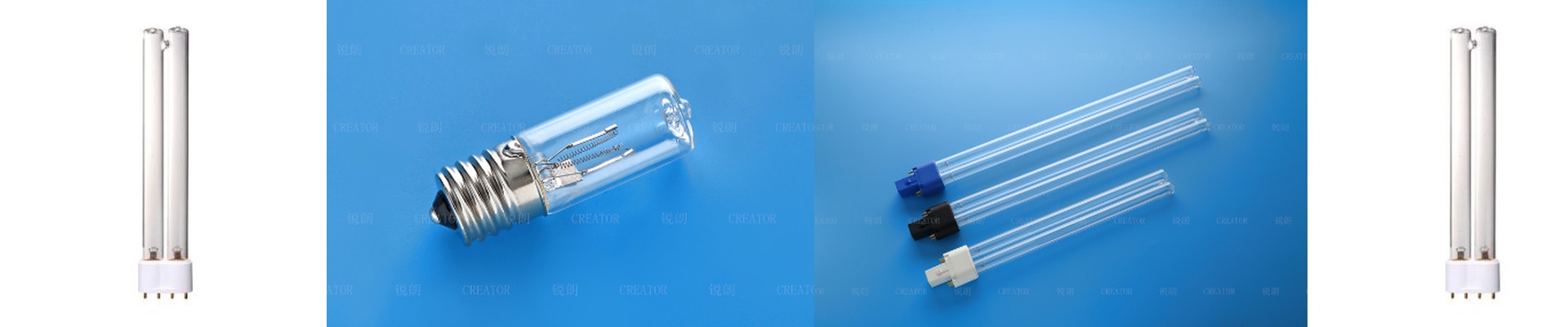
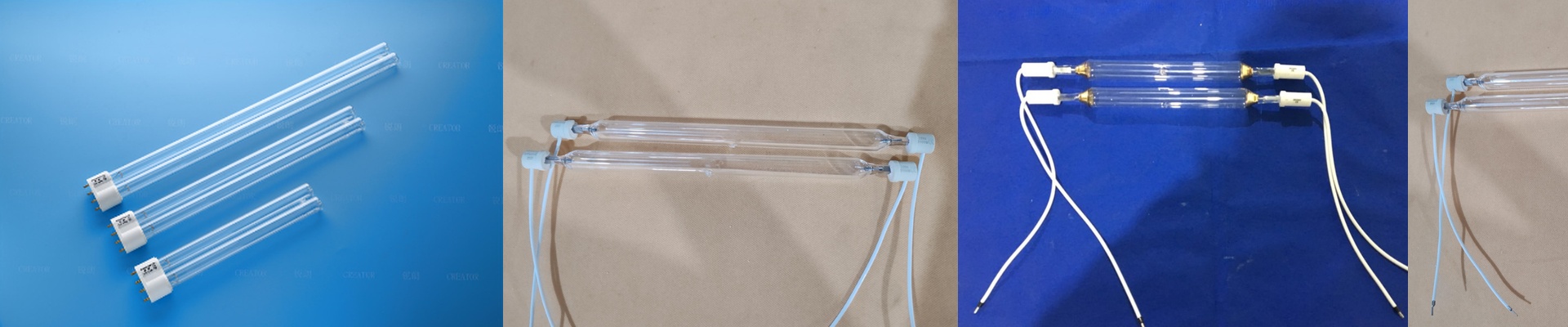
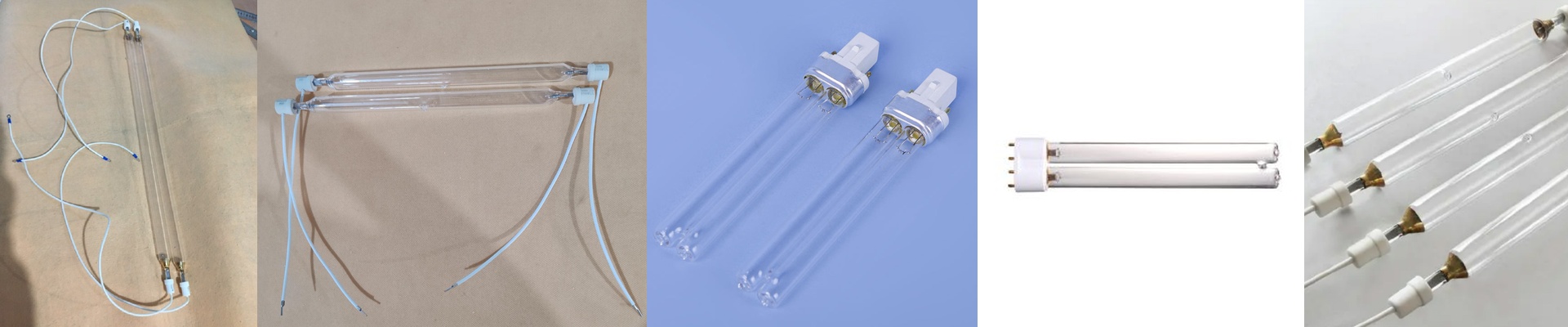
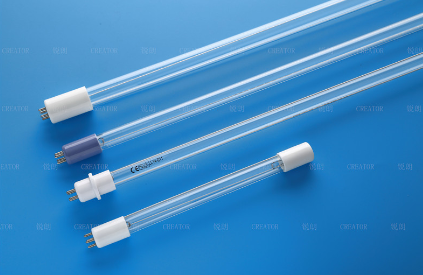
We use quartz envelopes because they handle high UV output and heat without blinking. The coating is chosen to shape the light spectrum, focusing on the UV band that actually kicks off the chemistry in modern soldermask inks. That means you get consistent curing, without having to tweak things every time you swap a lamp. And the connector? We make it a drop-in fit—usually an R7s base—so you can wire it straight into your existing fixtures. The size is designed to match standard reflectors, so the energy lands exactly where your CAD says it should.
On the Floor, Where It Counts
Out there on the shop floor, fine pitch means tight gaps and thin layers of mask. Our lamp keeps the dose uniform across the board, which cuts down on rework caused by poor adhesion between traces. For our OEM and ODM partners, the design is modular. Swap tubes, swap fixtures, and keep the same control setup. Now, more power means faster curing, but it also needs solid cooling and proper shielding to keep nearby components safe. That’s why we don’t just sell you a bulb—we match the lamp to the whole system.