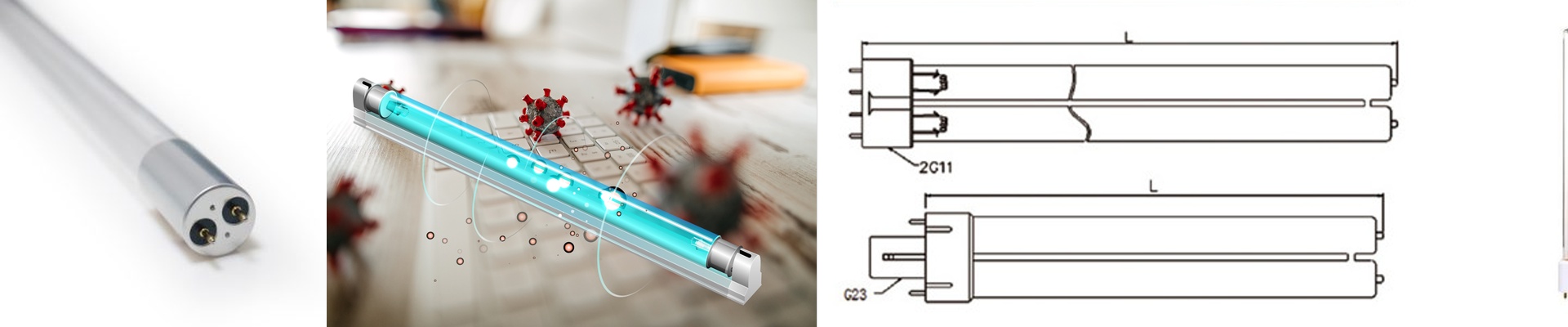
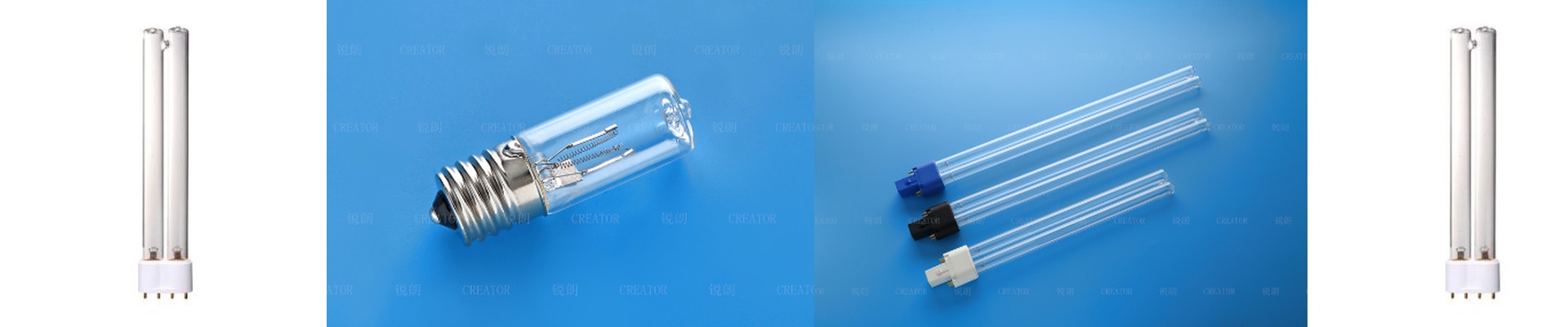
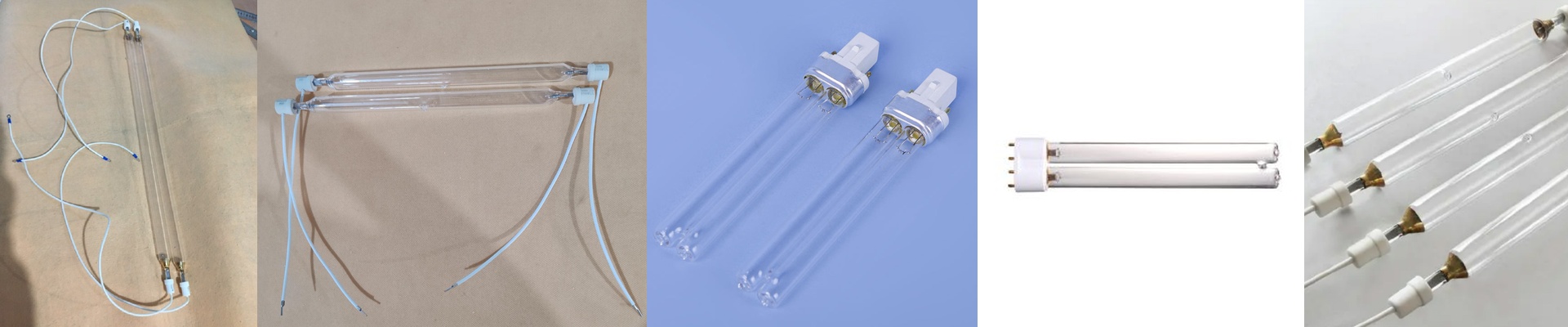
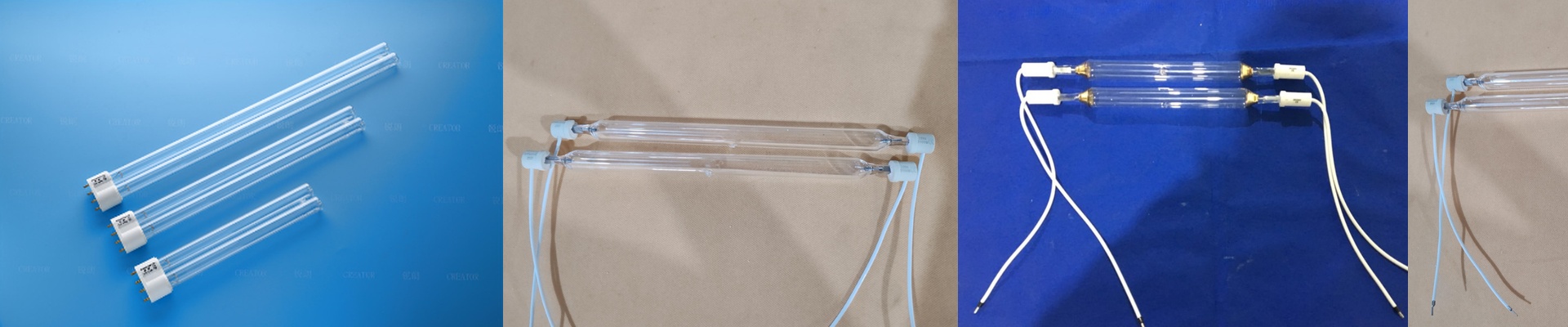
On a pet-product line, a UV lamp that just looks bright doesn’t cut it. You need hard, documented intensity and a repeatable dose if you want UVC sterilization to hold up as a quality claim anyone can defend. What actually matters, technically UV intensity isn’t something you eyeball—you measure it with a spectral radiometer. With mercury-vapor systems, confirm the band you’re on: 254nm for germicidal action, 365nm/385nm/405nm for ink curing. Grab peak irradiance (mW/cm²) at a fixed distance, then integrate over time to get energy density (mJ/cm²). And don’t assume the lamp is steady. Track output against the degradation curve—over a rated life, output can fall 15–30% even when the arc still strikes. Reflector condition and dichroic coating integrity directly shape the dose that actually reaches the target. Why this works in pet production Pet toys, bowls, and bedding are increasingly sold on hygiene claims, and UVC can be a validated, chemical-free step. But UVC is dose-dependent: under-dose gives you no meaningful microbial reduction; over-dose wastes energy and chews up lamp life. Match spectrum and intensity to the exposure geometry. For UVC zones, run a dose map—measure irradiance across the product path, then set conveyor speed and dwell so every unit lands on the target mJ/cm². That’s how you get a repeatable sterilization window you can audit on the floor. What you learn the hard way UVC systems demand tight alignment and clean quartz. A fingerprint or a film of dust can drop delivered intensity in a way you can measure. Always validate intensity at the work plane, not at the lamp face. UVC output also shifts with ambient temperature and airflow, so measure under the operating conditions you actually run. And if you’re running UV curing nearby, keep the curing and sterilization spectra separate—cross-contamination of wavelengths can slow curing and blunt germicidal performance. For printing—offset, flexo, screen, and gravure—we size UV lamps by spectral output, peak irradiance, and the cure window. The lamp has to match the ink’s photoinitiators and the press speed. Not the other way around.