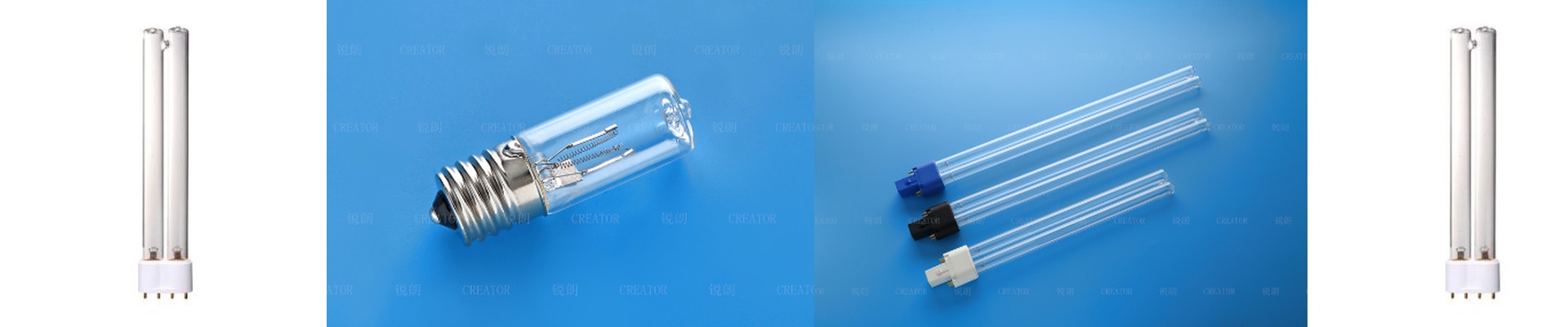
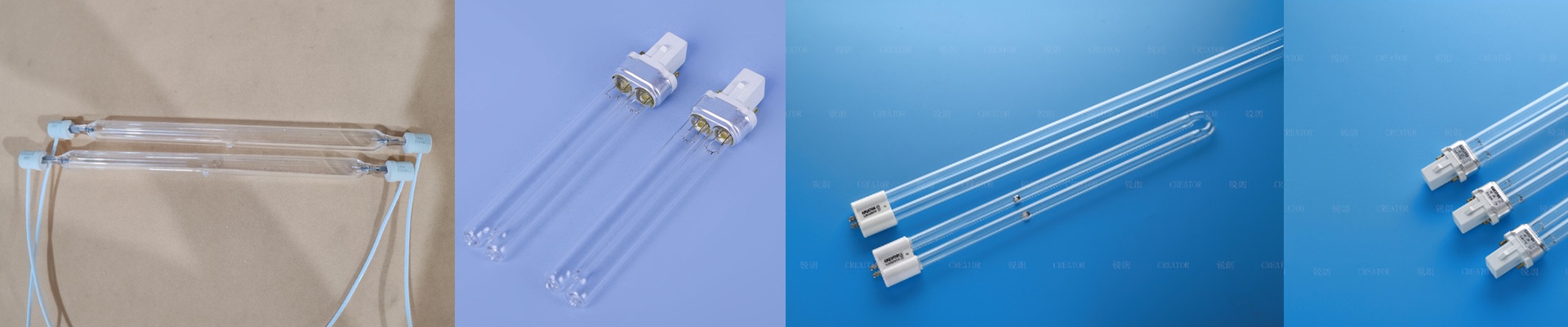
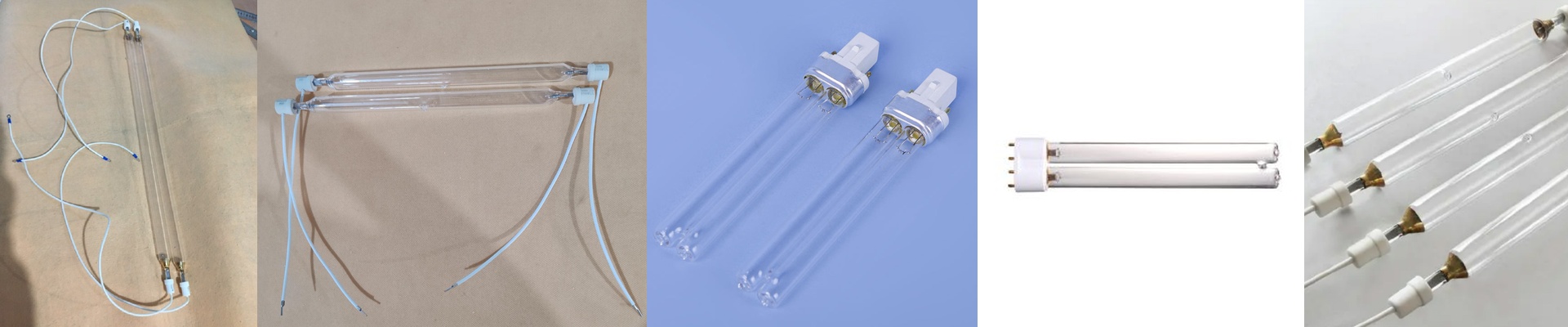
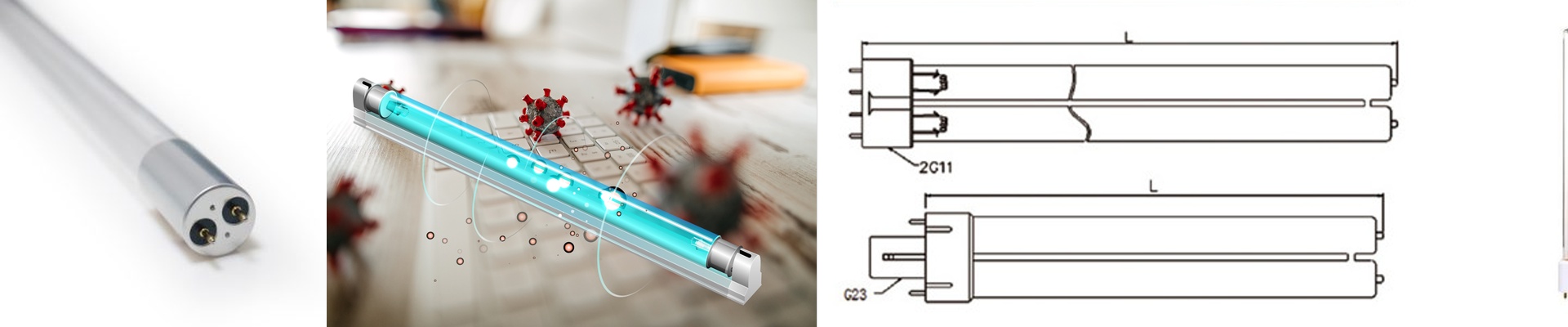
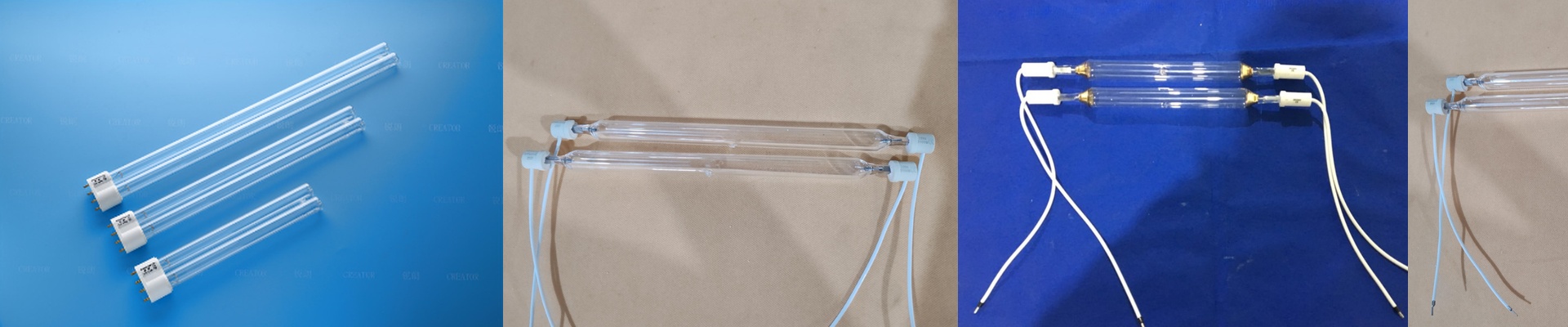
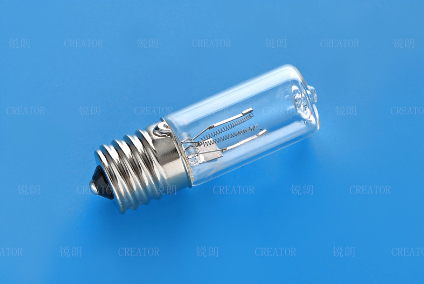
Out on the press floor, mixed-ink jobs—UV-curable adhesive running alongside water-based pigment—always seem to break when the lamp spectrum is off. You see surface skinning, interlayer adhesion failure, and solvents trapped in the film. The pile of waste tells the story, even when the chemistry is sound. We built a high-pressure mercury UV lamp system around one practical goal: control the spectral output so both ink chemistries cure cleanly at the same line speed. What matters, technically A high-pressure mercury lamp throws down a broad emission band, with strong output around 365 nm and additional lines at 313 nm, 405 nm, plus visible and IR. Peak irradiance and spectral balance are set by lamp power density, arc length, the quartz envelope, and the dichroic reflector coating. For curing, what counts is energy density at the substrate—mJ/cm²—delivered with enough dwell time under the focal line. We tune the dominant wavelength by choosing the right quartz and reflector coating combinations, so you can bias the output toward the photoinitiator absorption in the UV adhesive, while still giving the water-based layer enough long-wave energy to cross-link without cooking it. Why it holds up on mixed-ink work On mixed-ink presses, the UV component has to polymerize the adhesive fast, while the water-based ink needs even, controlled drying to avoid blistering and curl. Shift the lamp’s spectral distribution and you can hammer the adhesive’s photoinitiator peak for a quick surface cure, then pull back on short-wave intensity at the water-based layer to keep heat from building up. The payoff is a stable curing window across the web: fewer rejects, adhesion that stays consistent, and the ability to run faster without chasing cure failures. Energy goes where it’s needed—no paying for excess IR that just raises the ambient temperature. A few shop-floor realities Spectral tuning only works when the lamp, reflector geometry, and substrate distance are matched. Move the reflector focal plane and the delivered mJ/cm² shifts. Expect a warm-up profile—output stabilizes after a defined run-in, and lamp life is measured in thousands of hours with a gradual output decay. On mixed-ink lines, confirm the press’s lamp housing and electrical interface before you spec power and arc length. And verify substrate temperature limits. Even with reduced IR, heat management is still the constraint on long runs.