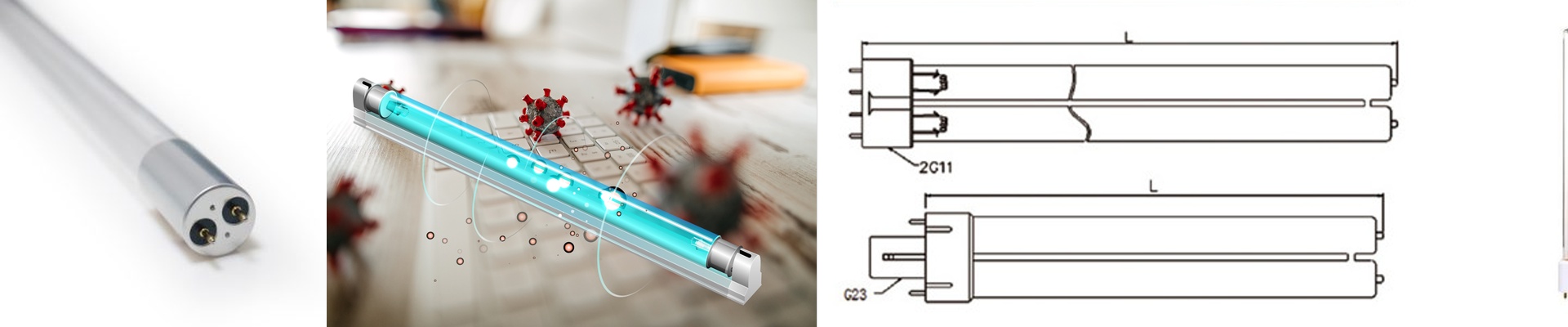
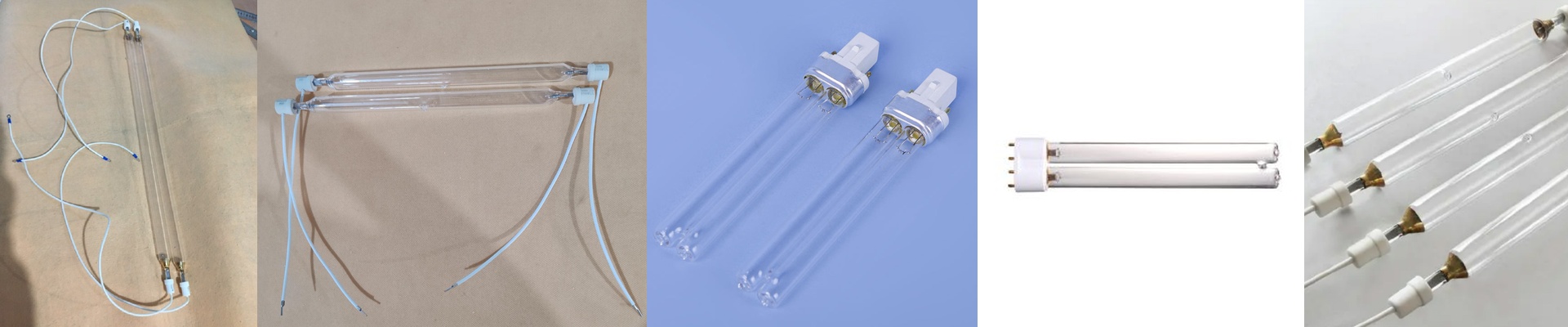
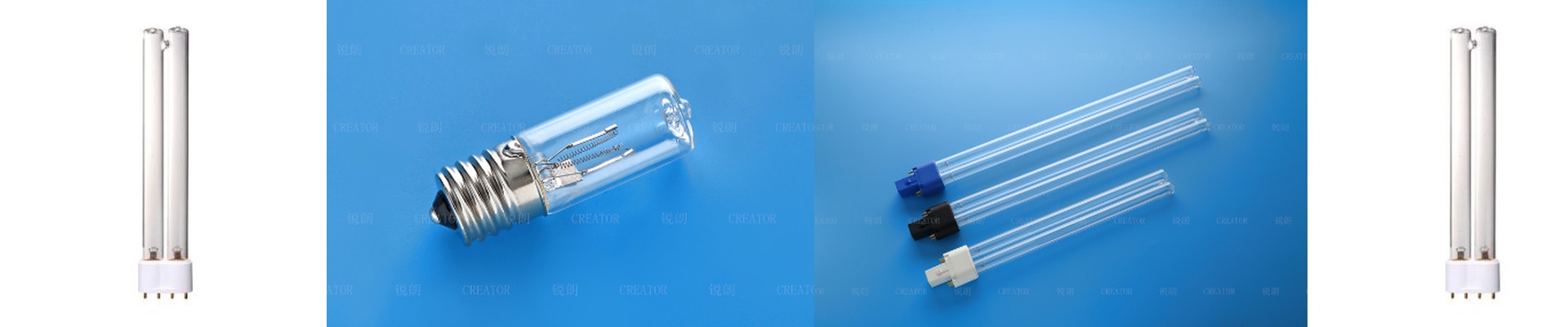
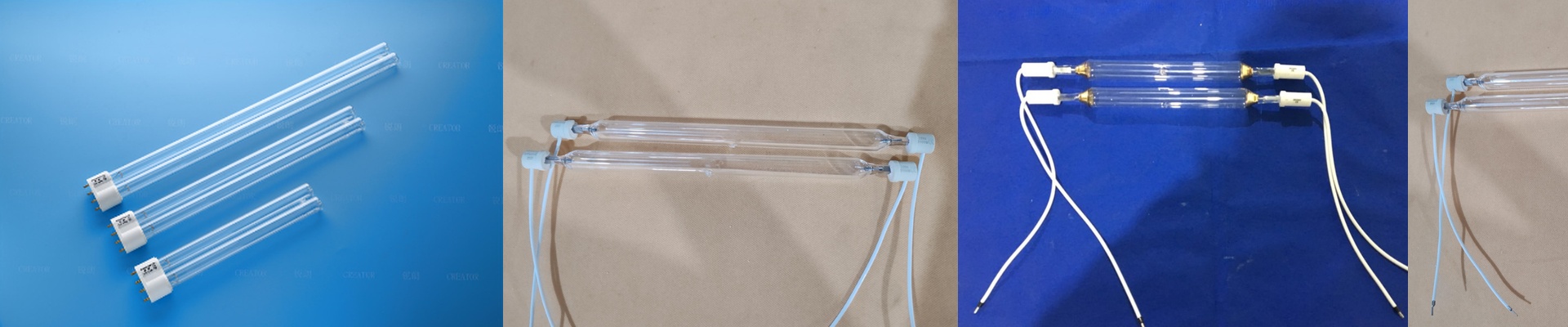
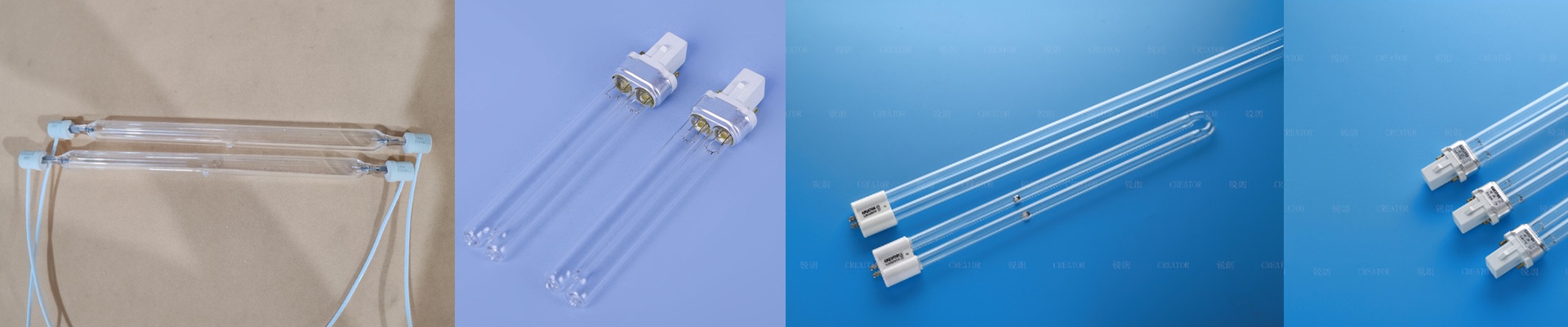
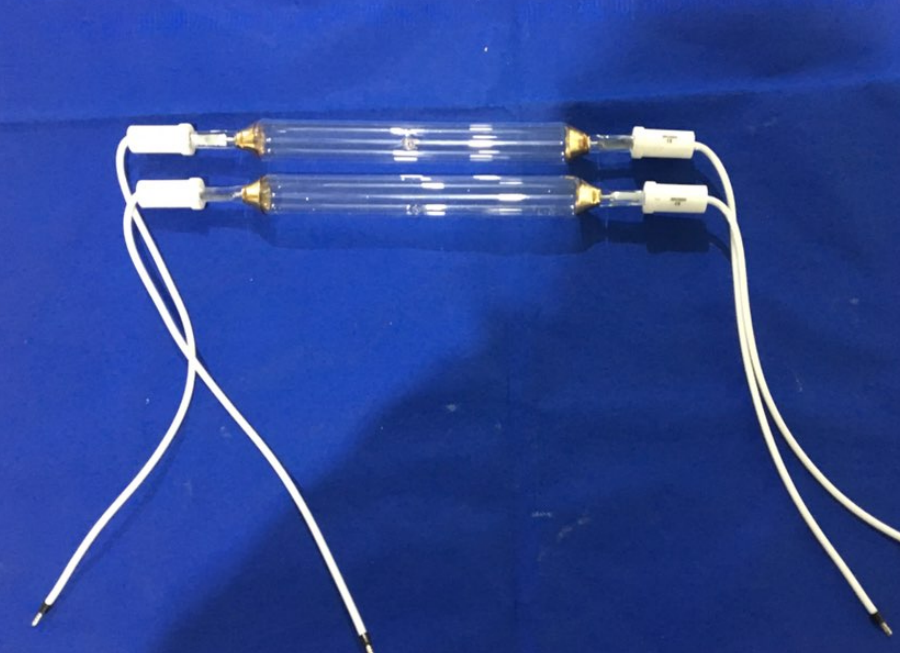
On the press, a UV lamp that hesitates on ignition isn’t just wasting time. It’s the root of uneven cure, web breaks, and product that comes off-spec. And the lamp itself is rarely the only culprit. It’s the mismatch between trigger voltage, electrode preheat, and the lamp’s arc impedance. Iron gallium UV lamps cut through that by pairing a stable, low-ionization alloy with an ignition profile that’s actually calibrated. Here’s what matters in practice: the ignition chain. Our iron gallium lamps use a 2.5–4.0 kV trigger pulse, timed within 10–20 ms of a 3.5–4.5 A filament preheat. That reduces electrode sputtering and settles the arc fast, so peak irradiance hits 8–12 W/cm² in 15–20 seconds. The spectral output is tuned at 365 nm for mercury-based inks, and 385–405 nm for LED-compatible formulations. Across a 200 mm arc length, you’re getting 600–1200 mJ/cm² energy density. The dichroic-coated quartz envelope keeps heat on the substrate side and holds reflector efficiency above 85%. Why this works on real lines: in UV offset, flexo, and screen, the iron gallium chemistry reduces ignition voltage variance. The trigger and the lamp behave like a matched system, so start-ups are quicker, aborted runs drop, and cross-linking is more repeatable. Field data shows stable output for 5,000+ hours, with less than 5% drop in irradiance at 365 nm. Fewer lamp swaps, and lower energy per cured meter. A couple of things to keep straight. Match your igniter to the lamp datasheet—verify open-circuit voltage and closed-circuit current. Mismatched igniters will chew up electrode life. The lamp can run ozone-free when the reflector and housing are vented per the fixture design. And before you install, confirm connector type, arc length, and end-fit against your lamphouse. Get the mounting wrong, and you’re changing focal distance and killing curing uniformity.