Stop the Bloating: Getting Your Seals Right with IR Heat
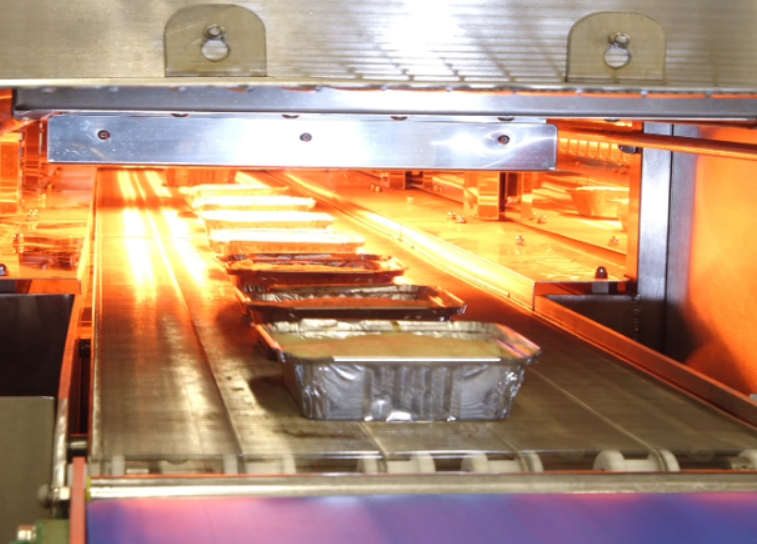
If you’re seeing bloated packages on your food production line, you already know the headache that follows. It usually comes down to seal integrity. When your gaskets don’t soften evenly, you get those tiny, invisible micro-leaks that ruin a whole batch. The frustrating part? Your sealer might be working perfectly fine. The real problem is often an uneven thermal field coming from your infrared heating array.
Why the heat distribution matters
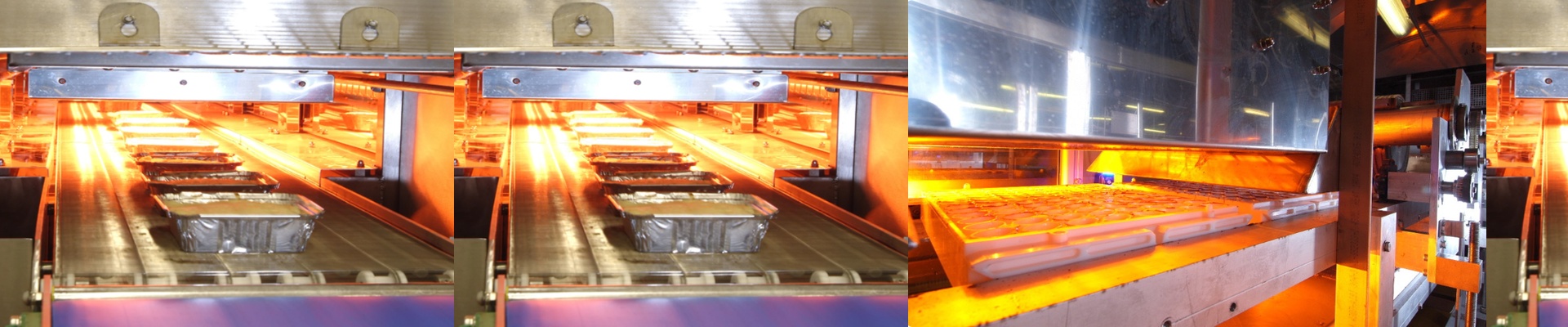
Think about standard IR lamps. They tend to create “hot spots” and “cold zones” across the conveyor. In the food world, a tiny 5°C dip in one spot is all it takes to turn a perfect hermetic seal into a rejected pile of waste. We focus on flattening that curve. By carefully overlapping the radiation patterns, we make sure the gasket hits that exact glass transition temperature across the entire surface. No gaps. No weak spots.
Arrays vs. Single Lamps
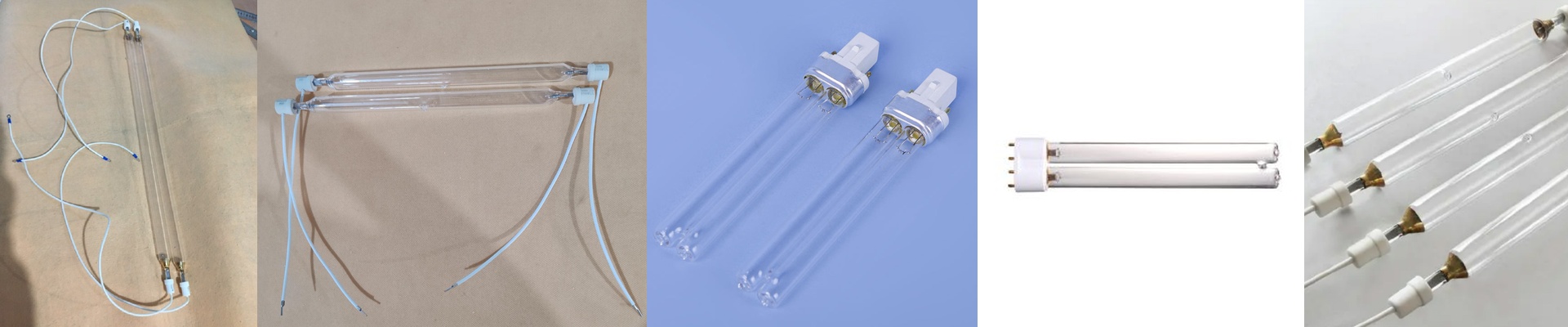
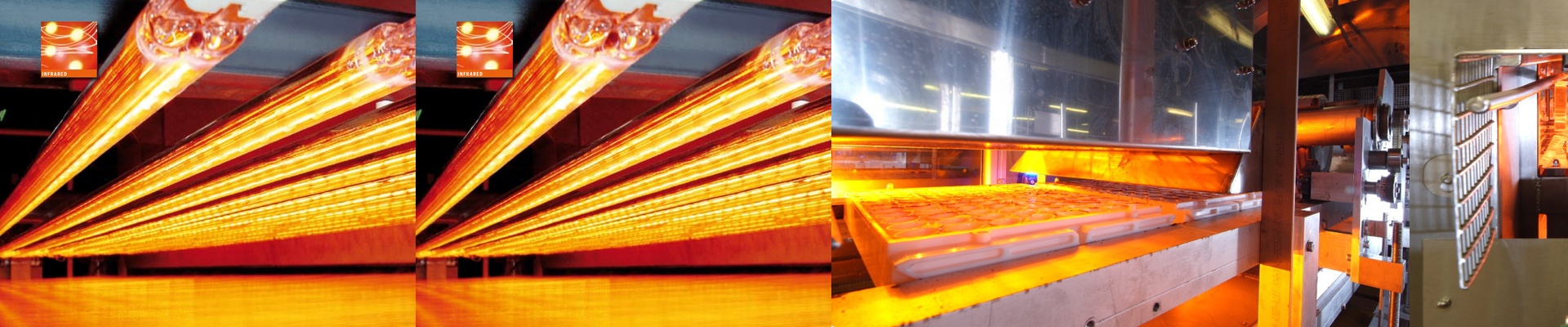
A single, high-wattage lamp is like a spotlight—you get a massive peak of heat in the center and a steep drop-off at the edges. It’s just not consistent. We do things differently. We use an array of synchronized emitters to spread the infrared energy out. It creates a steady, consistent heat soak across the whole line. To keep things stable, we use quartz envelopes. These tubes can take a real beating in humid, food-grade environments without losing their punch. Plus, you can wire them into a zoned control system. So, if you decide to crank up the line speed, you can tweak the heat on the fly to keep up.
The honest trade-offs
Here’s the thing: getting perfect uniformity takes a bit of planning. If you crowd the lamps too closely just to save space, you risk scorching your packaging or overheating the conveyor belt itself. It’s a balancing act between emitter density and airflow. If you go with a high-density array to kill those annoying cold spots, you’ve got to make sure your cooling fans are up to the task. Otherwise, the ambient heat around the chassis builds up and you’re looking at burnt-out components. It’s all about finding that sweet spot.