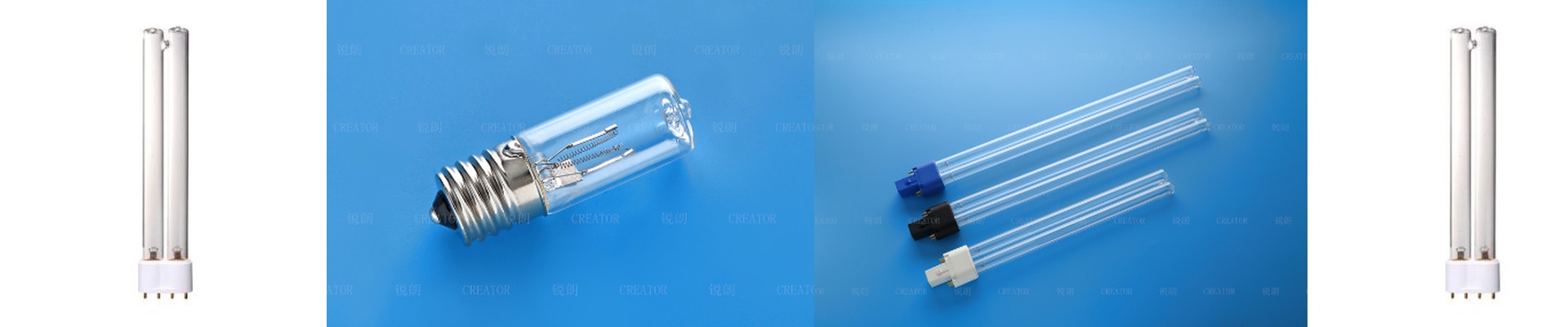
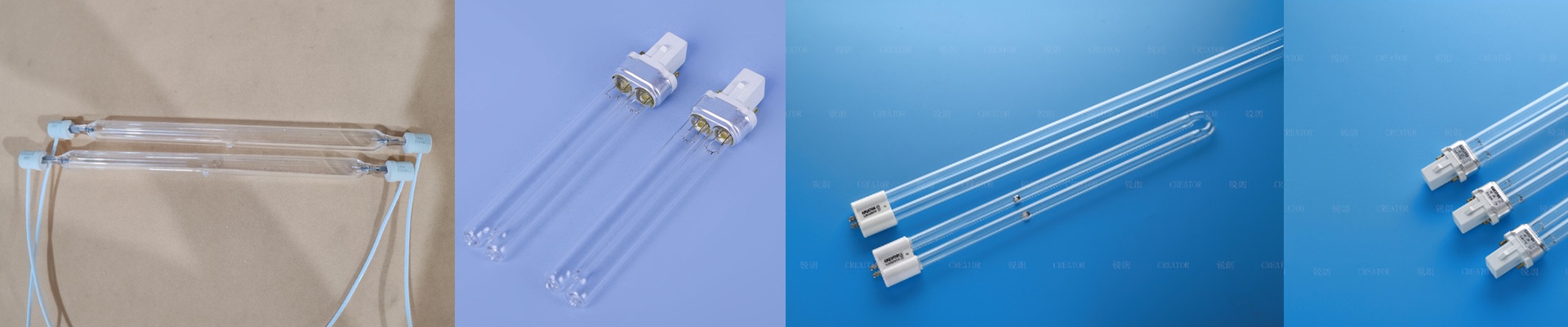
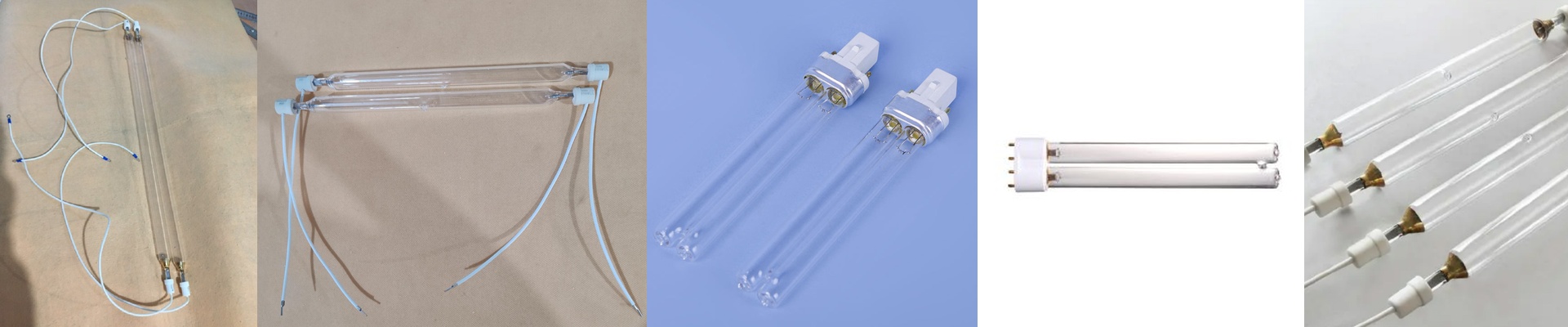
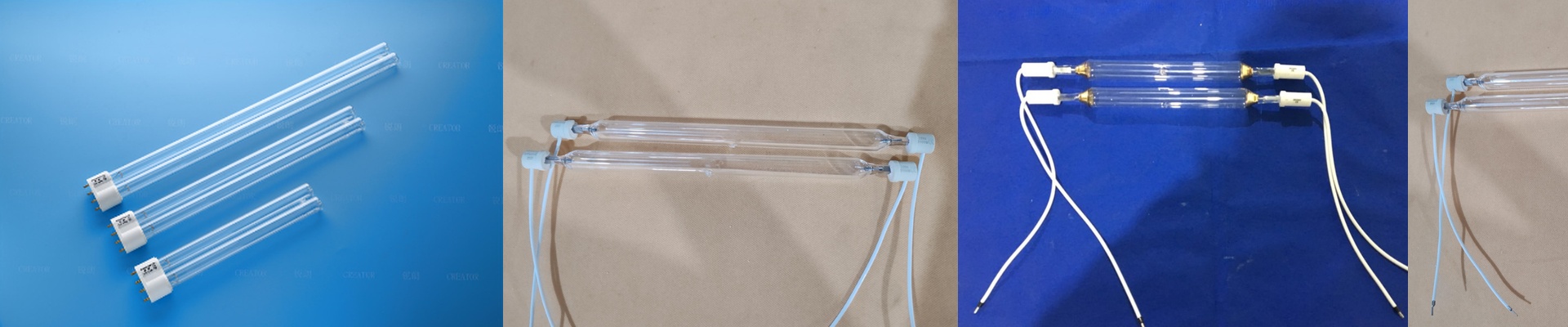
Out on the glass bonding line, lamp ends blacken in a hurry when you’re cycling the lamp on and off too much, or when the ballast is tuned against the lamp’s own electrical personality. You know what follows: spectral output drifts, peak irradiance drops, and that bond line starts flirting with incomplete cross-linking. What matters, technically For glass bonding, we spec mercury vapor UV lamps that hold a stable spectral output centered at 365 nm—right where a lot of adhesive photoinitiators soak up energy efficiently. Talk in delivered energy density, measured in mJ/cm², not vague “intensity.” Keeping a steady 1200 mJ/cm² at the bond line is usually what keeps cure depth and edge coverage consistent, even on 24/7 runs. Peak irradiance is managed by reflector geometry and the dichroic coating, not by overdriving the lamp. Overdriving just burns life away and hastens end-blackening. Why it holds up here Glass bonding needs repeatable cure without thermal shock. We match the lamp to ballast parameters that cut down on cold-start stress, so the arc settles quickly and end blackening slows. Plan on 3000–5000 hours of useful life before output falls below the adhesive’s required dose window. Fewer lamp changes, less downtime, and fewer rejects from under-cured beads. The things to keep straight Match the lamp to the ballast and the fixture. If the driver can’t hold the lamp’s rated current and ignition profile, you’ll still see premature end blackening and faster lumen loss—even with a top-quality lamp. Check reflector alignment and cleanliness; a misaligned reflector can knock delivered dose down by 20% or more. Make sure the lamp is ozone-free for the enclosure airflow you’re running. And log dose along with lamp hours so you replace on trend, not on guesswork.