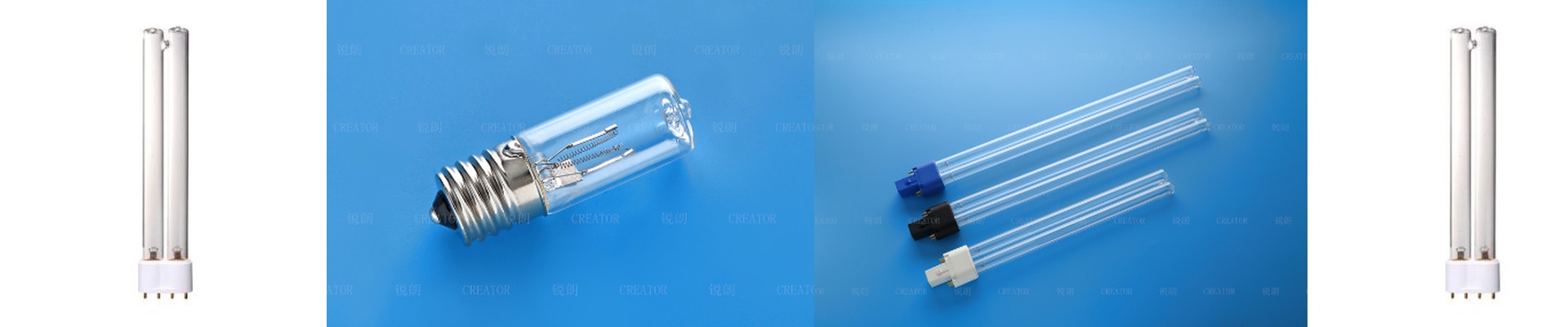
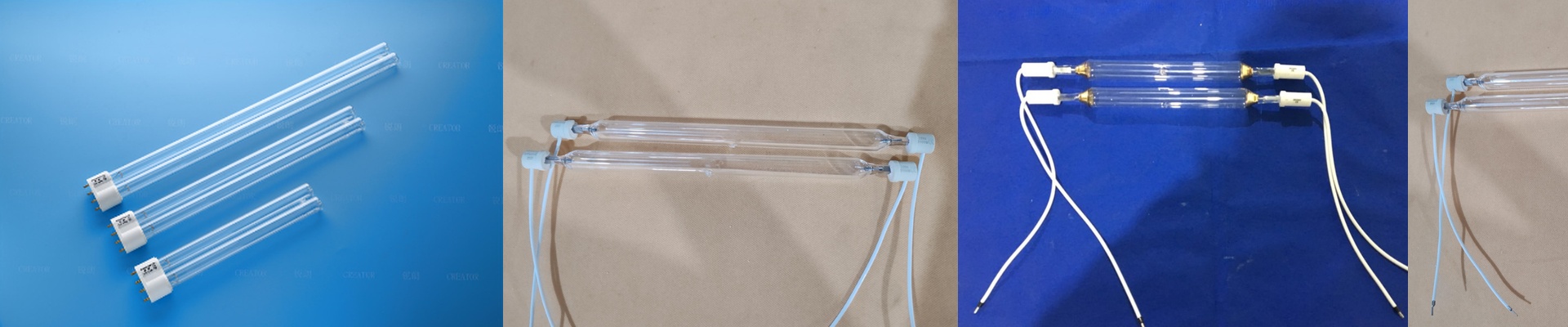
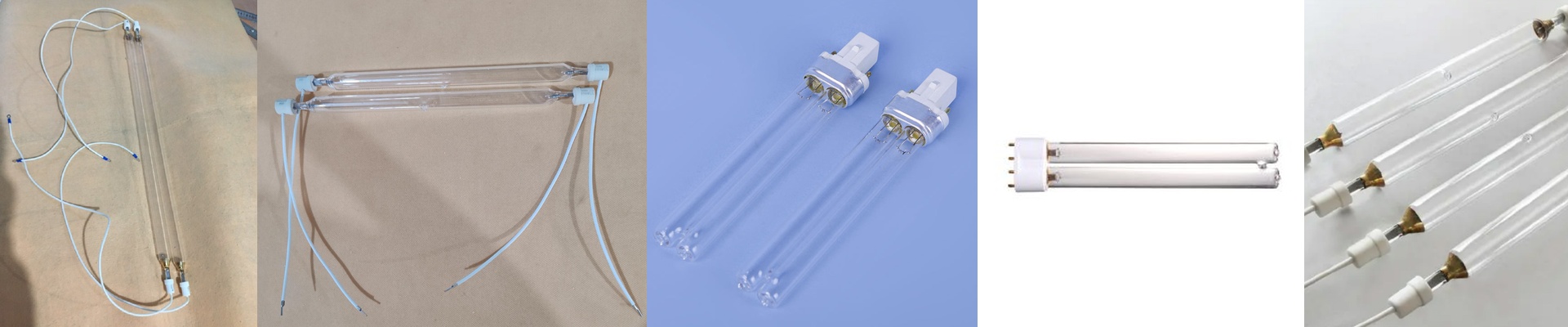
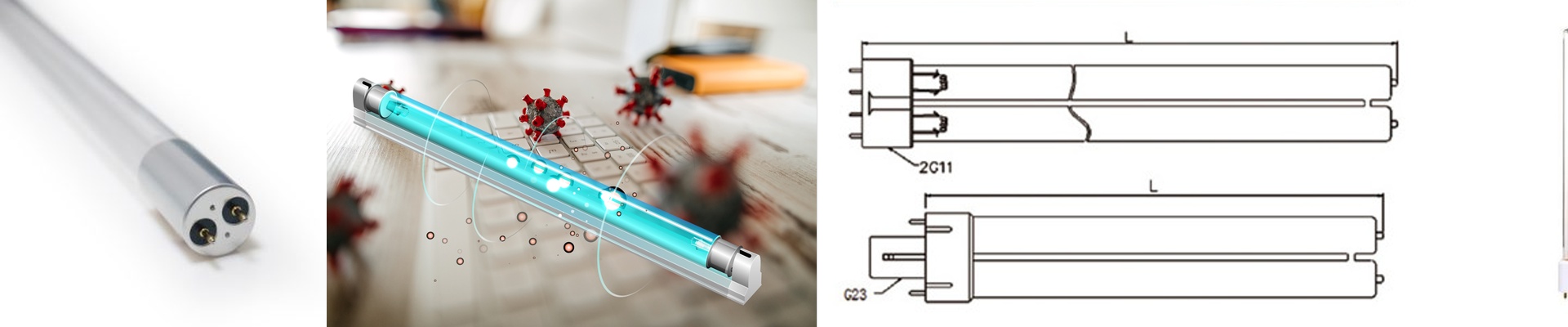
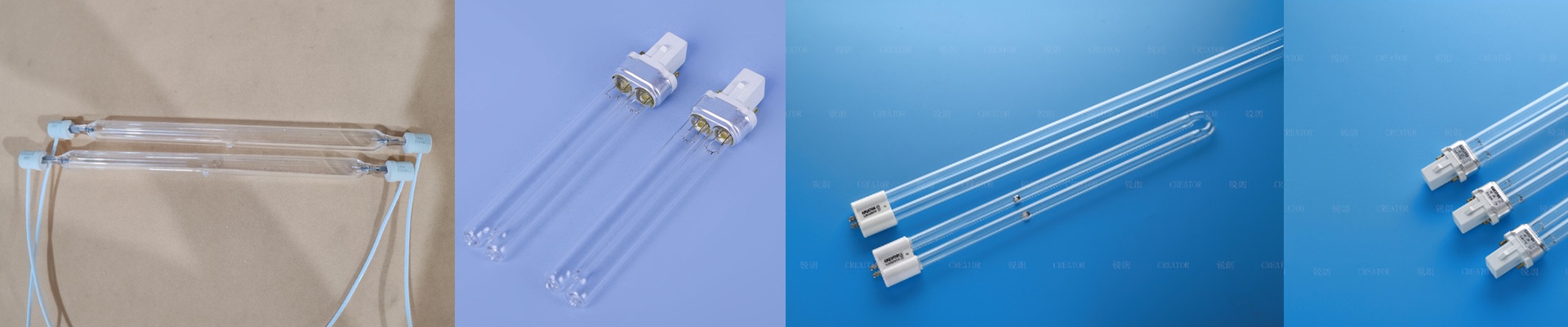
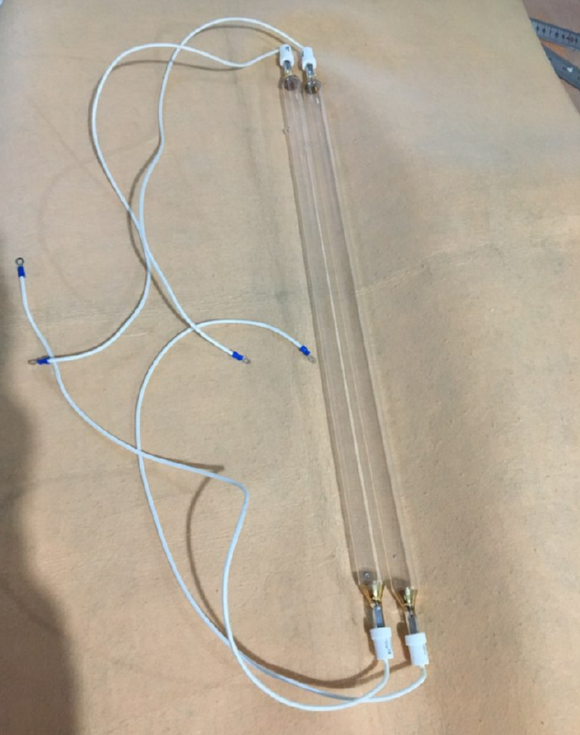
Out on the press floor, heat-sensitive labels won’t forgive uncontrolled thermal load. If the lamp’s spectral output drifts—or takes too long to settle—you end up dialing power back just to keep the substrate from scorching. Then the ink won’t cure. So we burn every UV curing lamp at full power for two hours before it ships. That’s the only way to force out the early-life instabilities you absolutely can’t afford once you’re running a job. What matters, technically These lamps are built around heat-sensitive curing with a controlled spectral profile: a tight peak around 365 nm for standard mercury-vapor UV inks, plus options at 385 nm and 405 nm for LED-compatible formulations. We choose the quartz envelope and reflector geometry to put high UV energy density at the substrate plane, while keeping IR radiant heat in check. And we document the output—peak irradiance, dose in mJ/cm², and warm-up stability across that first two-hour window. Why it works in real production Two hours of full-power burn-in is basically a stress screen that catches infant mortality in the arc, the ballast interface, and the dichroic reflector stack. The payoff is predictable: the lamp settles into a repeatable output curve, so your setpoints behave job after job. That means less scrap from under-cured ink, fewer stops for lamp-related defects, and lamp life you can plan around. Things to keep straight on the floor These are high-intensity UV lamps, and that intensity has to be managed by the cooling system. Match the lamp to the reflector housing and shutter mechanism. Where you need it, confirm ozone-free operation. Double-check that your power supply and connector pins match the rated current and polarity. And treat lamp orientation as part of the process—tilt and spacing directly drive dose uniformity across the web.