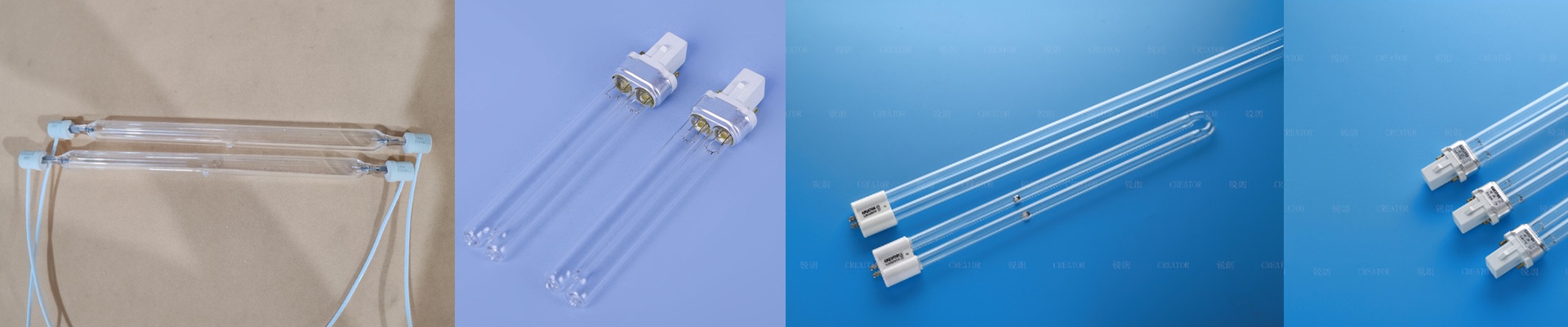
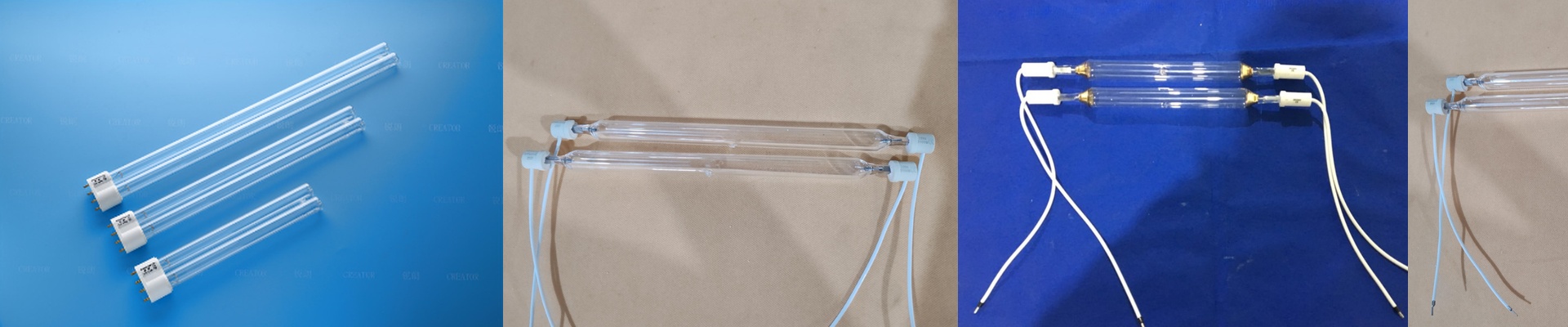
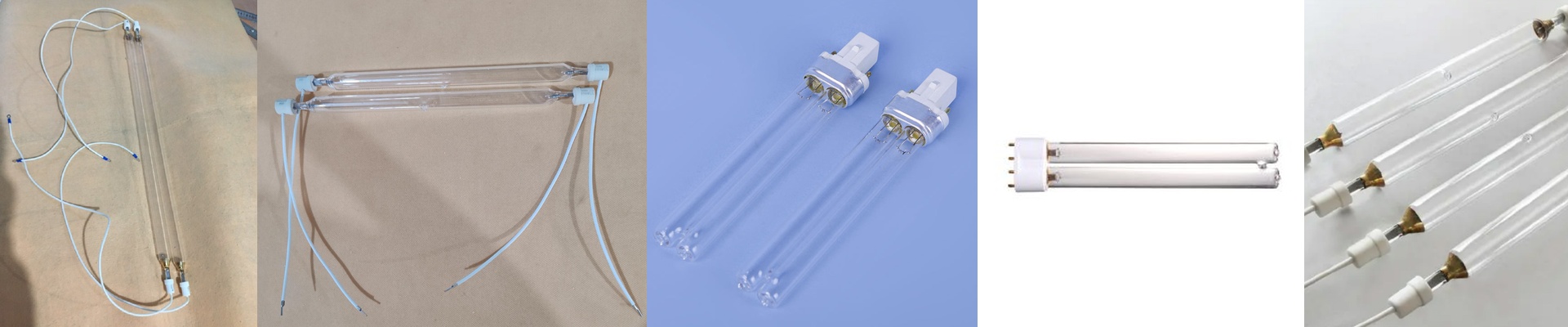
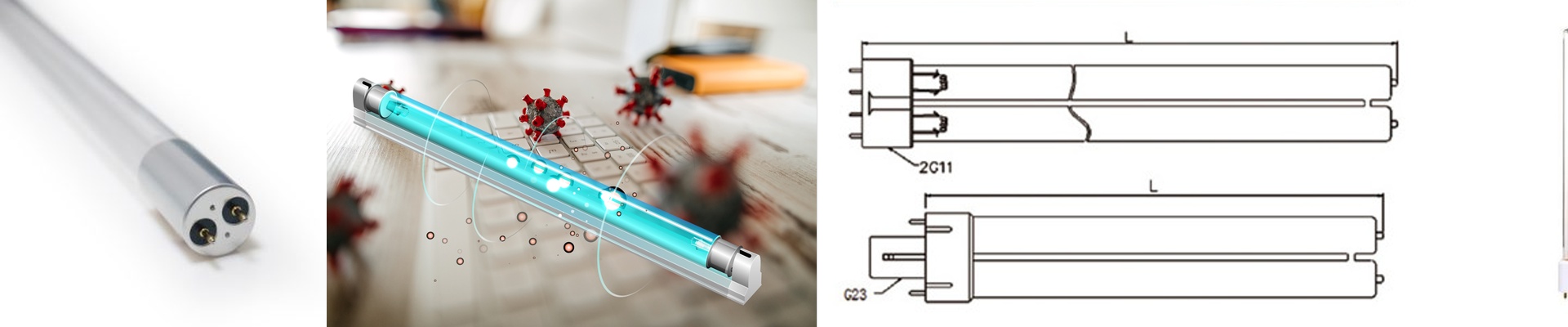
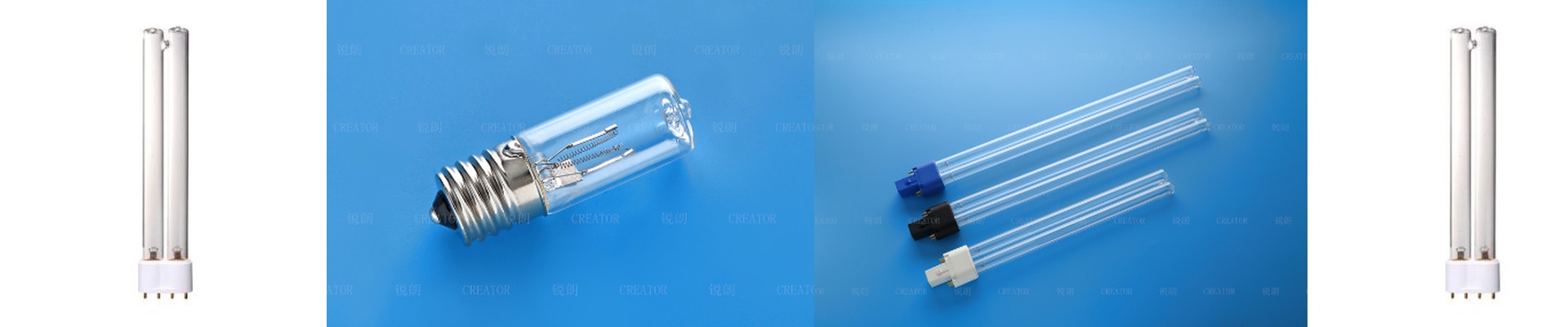
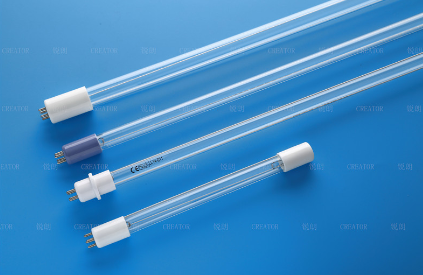
On the plant floor, a fingerprint on a quartz sleeve isn’t just unsightly—it’s a ticking time bomb. Even when industrial UV lamp components from China are built to tight specs, the most common failure still comes down to contamination introduced during install. Oils and residues from bare hands create hot spots that crack the quartz and eat away at the electrodes. That means shorter lamp life and a hit to spectral output. The physics are simple. High-pressure mercury vapor lamps run at high wall-loading, and they need a clean, stable envelope to keep arc stability consistent and hold peak irradiance at 365 nm. Fingerprints and hydrocarbon films soak up UV and IR, causing uneven thermal expansion and localized overheating. So what you get is lower output, faster end-of-life, and in the worst cases, a catastrophic failure that fouls the reflector and the curing chamber. We build our lamps to deliver repeatable performance on offset, flexo, and screen UV curing lines. Handle them right, and the quartz envelope stays pristine—keeping the intended spectral distribution intact and maintaining the energy density needed for full cross-linking. Clean quartz equals stable cure speeds, fewer rejects, and replacement intervals you can actually plan around. Installation discipline isn’t optional. Always use lint-free, powder-free gloves, and only touch the lamp by the ceramic body or the designated mounting points. Wipe the quartz with isopropyl alcohol and a non-abrasive cloth before final alignment, then check reflector condition and confirm ozone-free venting per the machine manual. Here’s the constraint: lamps have to be matched to the press ballast and ignitor specs. Mismatched electrical parameters will kill a lamp early, no matter how careful you are with handling. Track each lamp’s run hours and spectral baseline. That data tells you how it’s degrading and lets you schedule maintenance without surprise downtime.