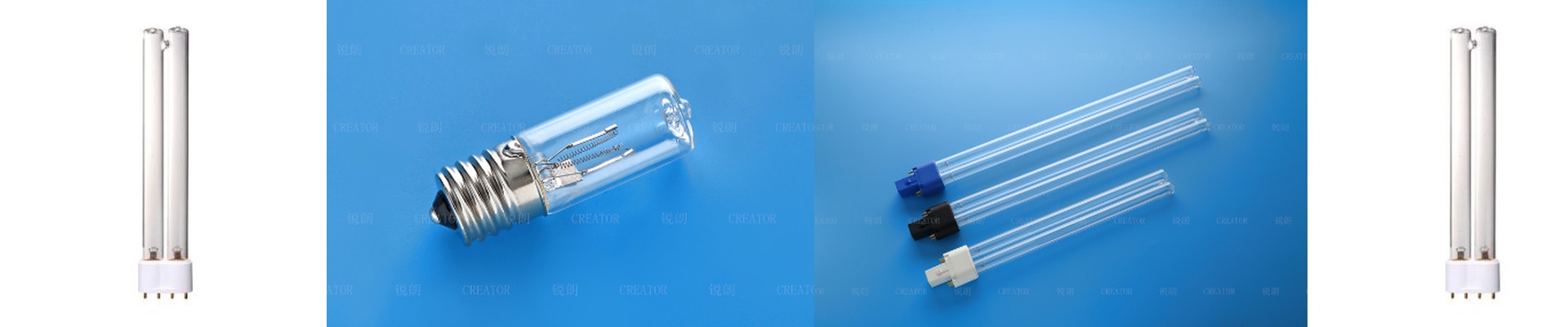
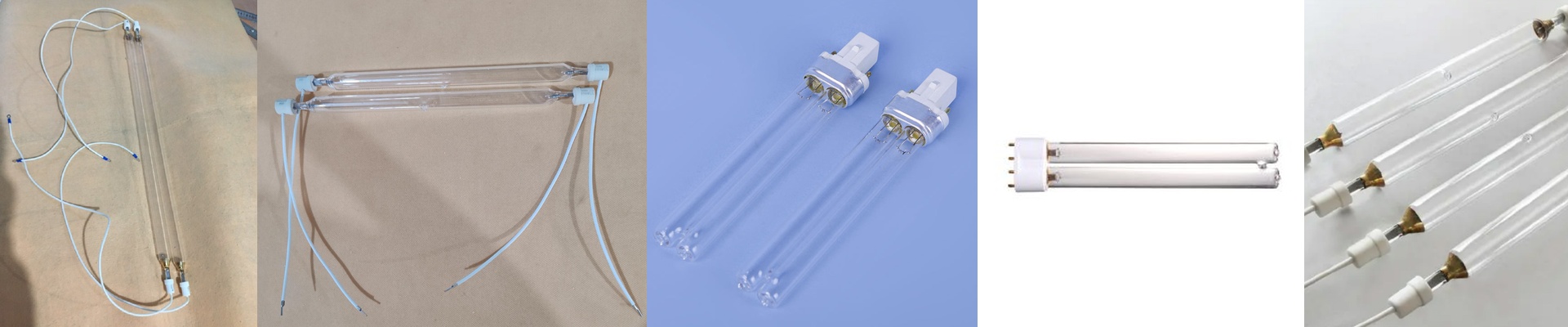
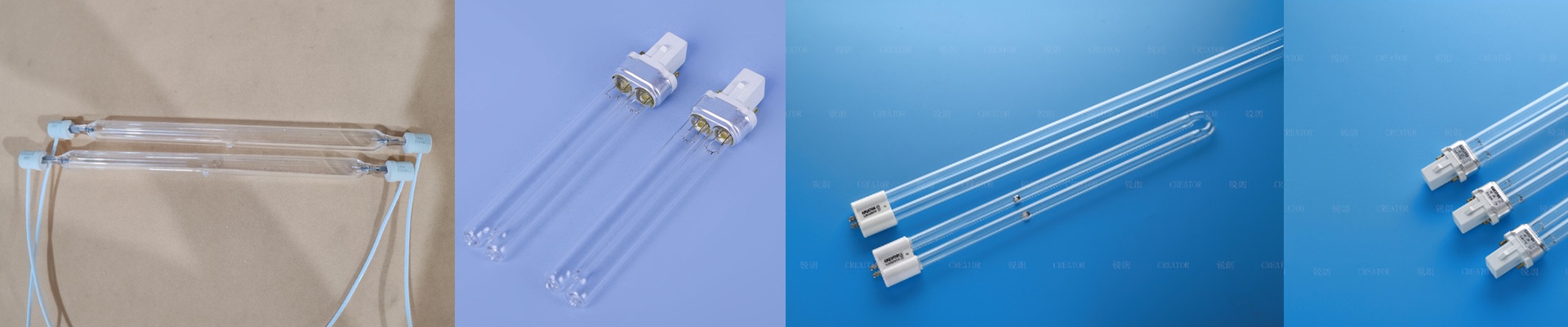
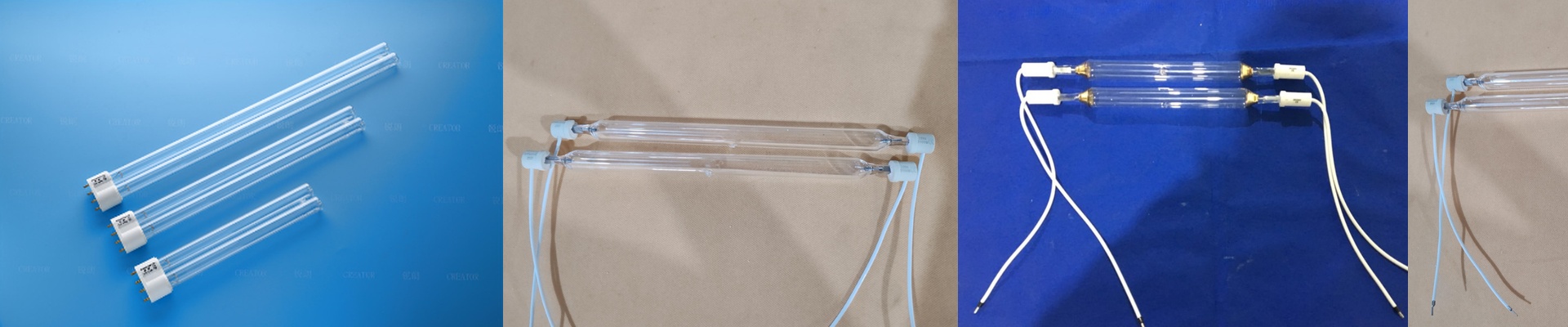
Lab photochemistry falls apart when the lamp can’t be trusted. If the spectrum has a fat tail or the output drifts, you’re turning clean photoreactions into a guessing game. In a reactor chamber, you need a UV lamp that behaves like one consistent wavelength—steady, repeatable, shift after shift. What actually matters under the glass An iron-doped gallium iodide lamp is built around control. The iodide fill narrows the output into a tight band, and the iron doping settles the arc, cutting down the unwanted continuum. That gives you a cleaner spectrum and a more consistent photon dose. In practice, that translates to better alignment with your photoinitiator absorption, predictable cross-linking, and reaction kinetics that don’t jump around. You get stable peak irradiance, repeatable dose-to-dose response, and lamp output that tracks your spectroradiometer readings instead of wandering with arc chemistry. Why this fits the reactor bench Lab-scale photoreactors are touchy—stray wavelengths create side reactions and add heat you can’t afford. With this lamp, you run inside the exact spectral window you need, so parasitic pathways drop and yield repeatability improves. That means faster method development, fewer failed runs, and less scatter across replicates. You also get a long, steady life curve—output stays consistent over thousands of hours—so your experimental conditions don’t drift every time the lamp ages. The practical details you can’t skip Match the lamp to the reactor geometry and the energy density you need. Iron-doped gallium iodide sources run hotter than standard mercury types, so you need active cooling and a stable power supply to hold arc position. Double-check the reflector dichroic coatings and make sure the quartz is compatible with your chamber materials. Mismatched optics can hand you back the very spectral spread you’re trying to shut out.