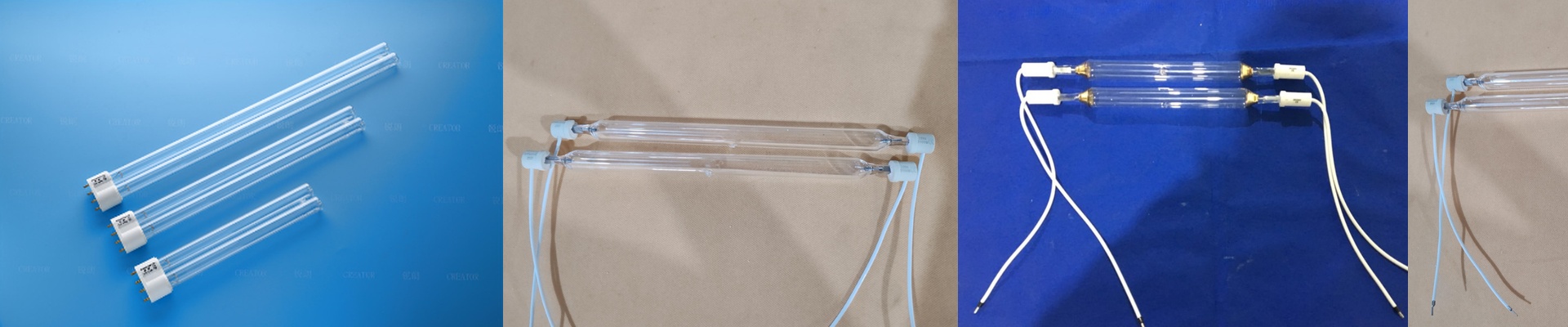
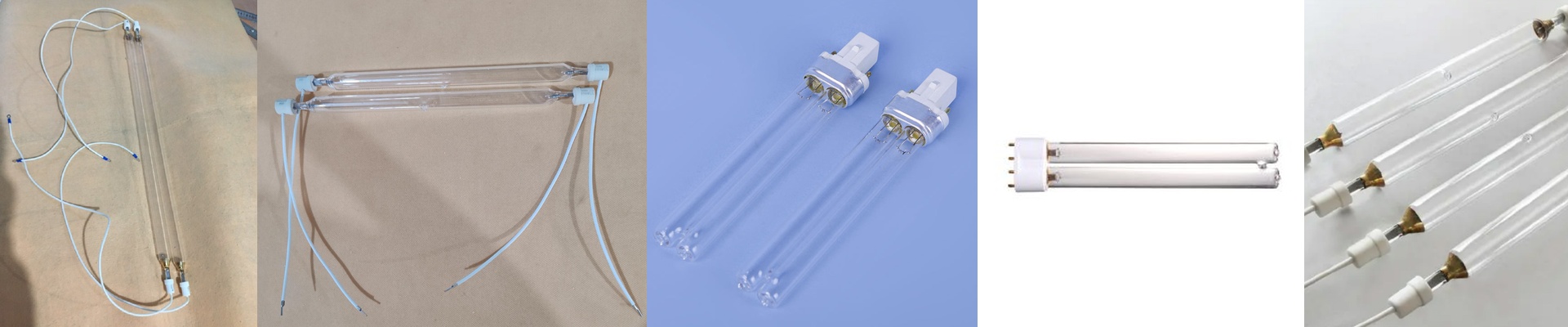
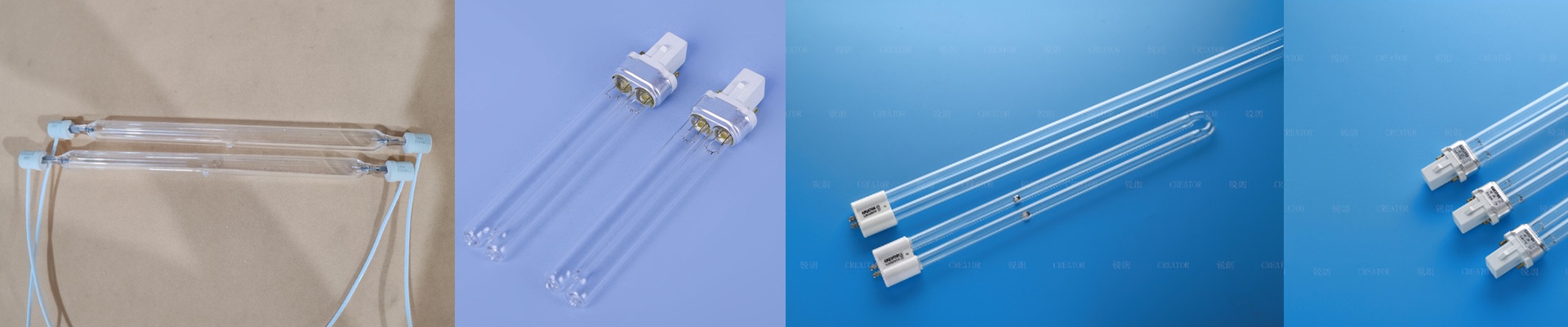
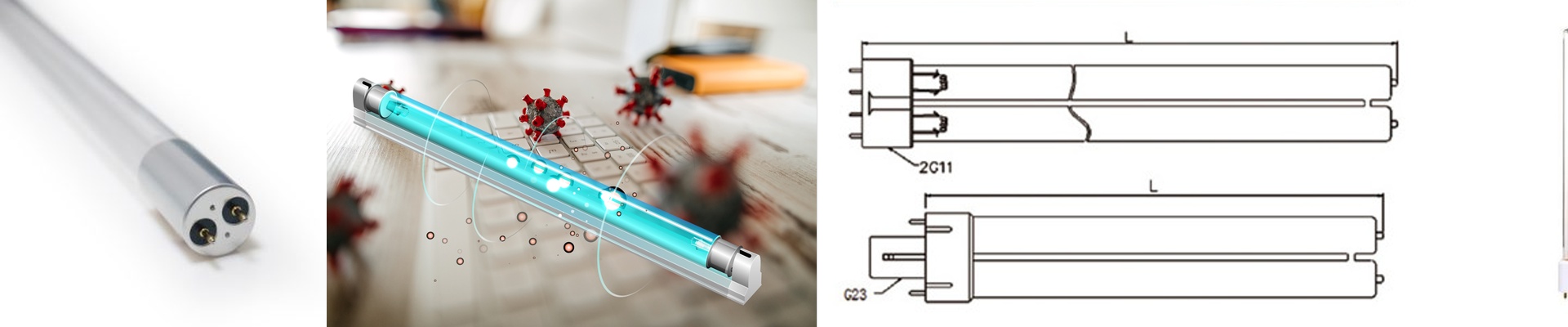
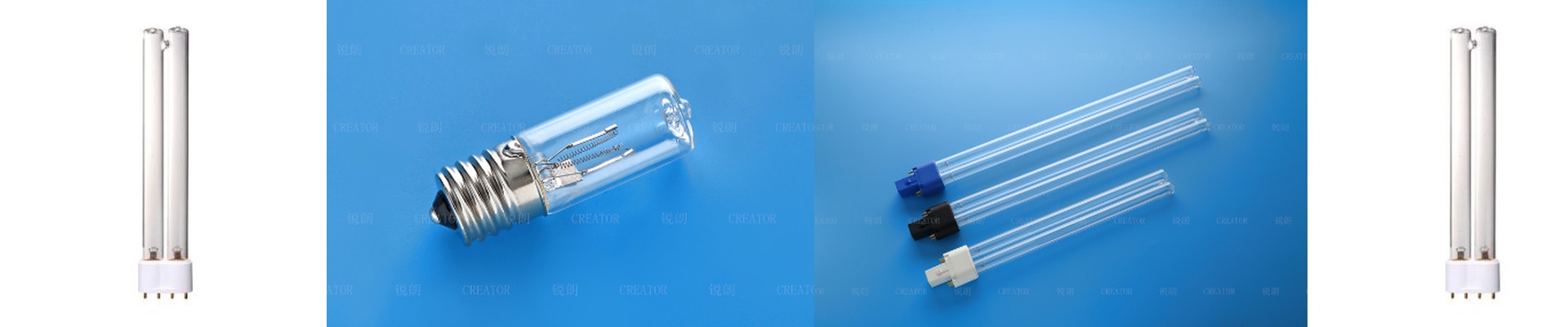
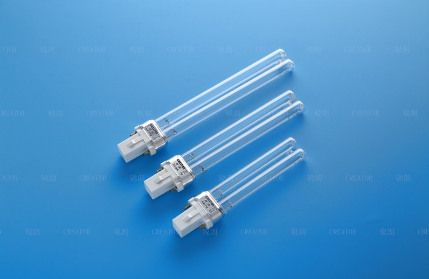
On the press floor, ambition is never the bottleneck—space is. You want to run adhesive-curing lines faster, but the machine envelope doesn’t move. A full refit isn’t in the cards, so the only practical move is a targeted, modular UV lamp upgrade that packs more dose into the same length. What we focused on, technically We built the upgrade around spectral control and optical efficiency. The module runs an ozone-free mercury vapor lamp with a dichroic-coated reflector to concentrate a 365 nm peak—right where most photoinitiators in UV adhesives are sensitive. Peak irradiance hits 12 W/cm² at the substrate plane, so you get more photon flux per pass. Curing energy density lands at 800–1,200 mJ/cm² in a tight dwell, which is exactly what lets you raise web speed and still finish the cross-linking. Arc length is tuned for a narrow hot zone, and the lamp body drops into standard rail mounts with existing electrical interfaces—integration stays straightforward. Why it plays well in the real world Keep the same conveyor and curing chamber footprint, and that higher photon density shortens the effective cure window. In practice, you can bump line speed by up to 30%. Adhesion stays consistent, tack drops, and you see fewer rejects from under-cure. Energy use per unit of cured adhesive falls, too, because the reflector and coating cut down wasted IR and broadband output. Output stays stable over 5,000+ hours, with less than 5% irradiance drop at end-of-life—meaning fewer surprise changeouts and planning you can count on. The details that matter up front You have to match the spectral output to the adhesive chemistry and confirm the substrate can handle the heat, because higher irradiance raises local temperature. Also check power supply and connector compatibility—this module is designed for 240 V and uses a standard terminal block. If your optics are worn, pair the new lamp with a reflector replacement; otherwise you won’t capture the full irradiance gain.