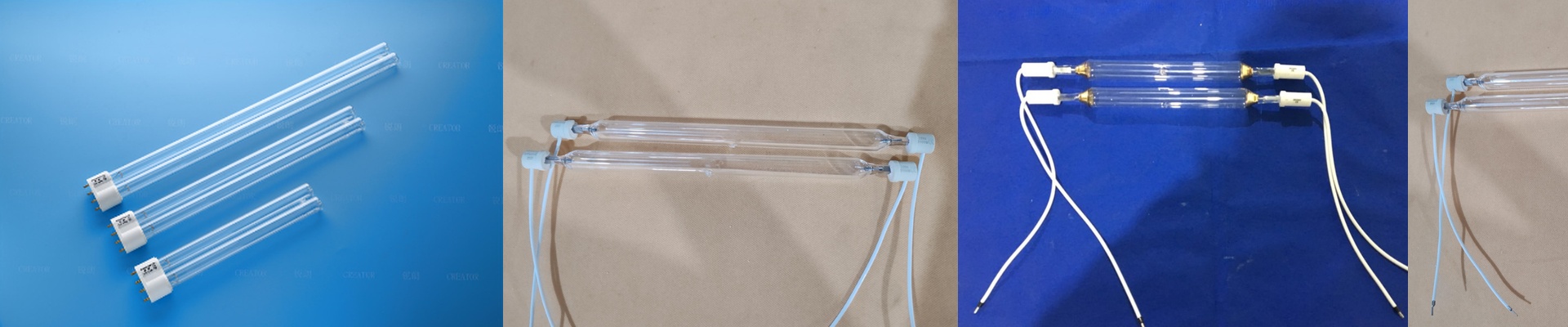
Getting the Wavelength Right in Quartz UV Lamps
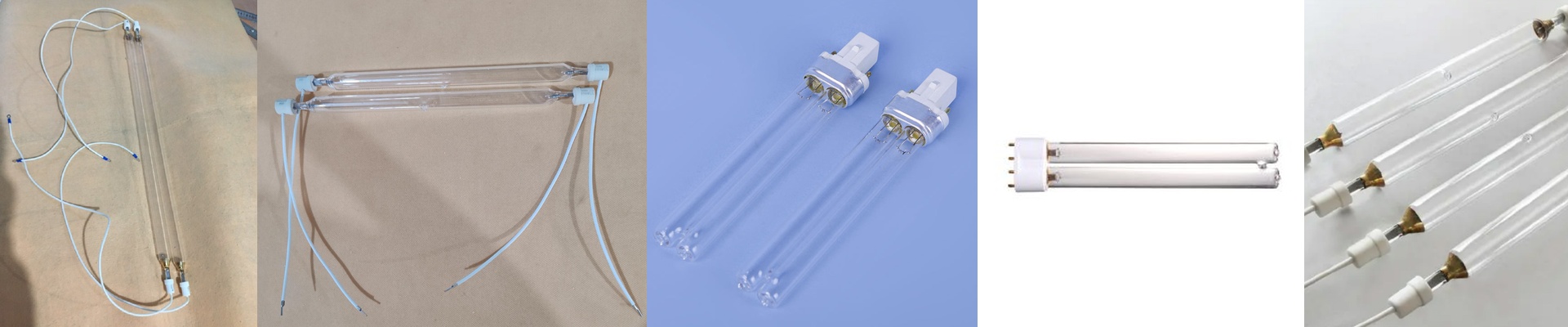
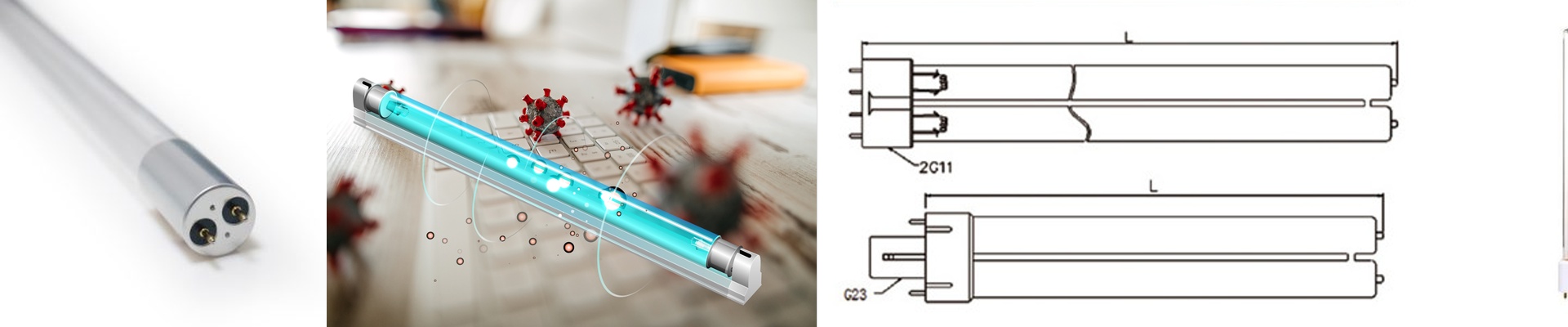
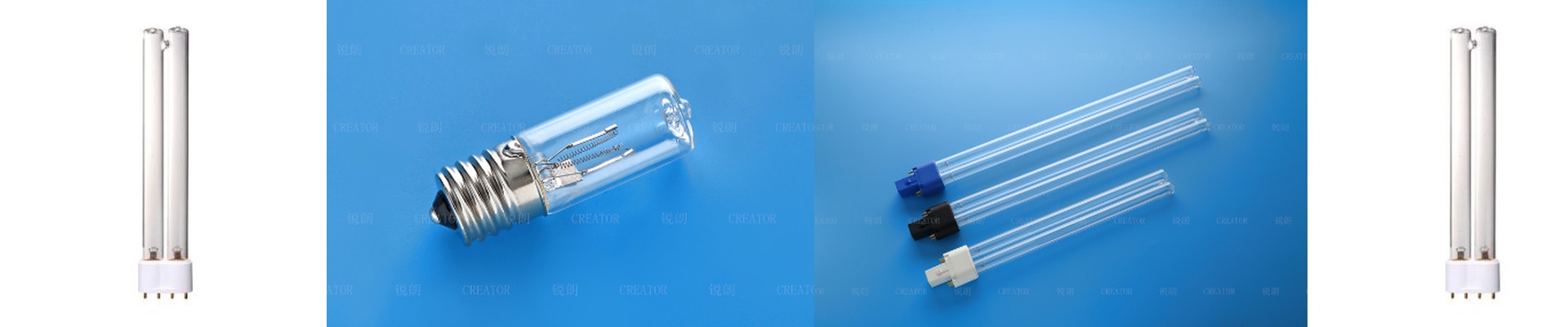
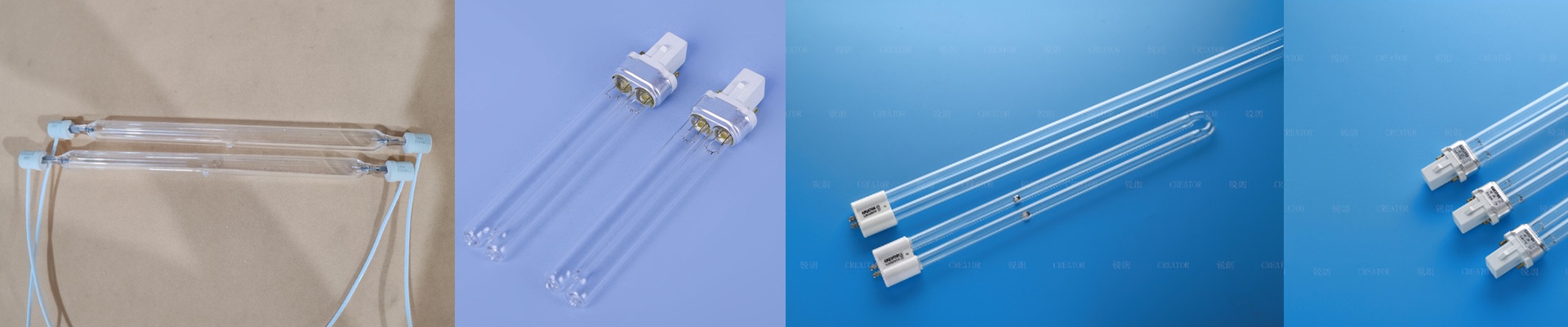
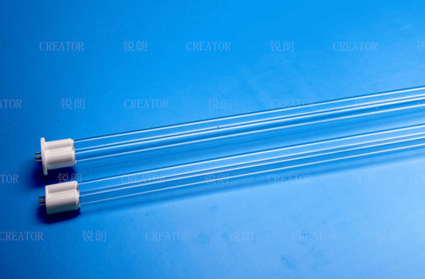
When we build UV lamps, we aren’t just trying to make things “glow.” We’re aiming for a very specific target—down to the nanometer. If you’re ordering quartz tubes in bulk, you know that the difference between 254nm and 365nm is a huge deal. It’s not just a number on a sticker. It all comes down to how pure the quartz is and what we’re pumping into the tube for the gas mixture. The quartz is basically the gatekeeper. Standard glass is useless here because it blocks most UV radiation. That’s why we use high-purity fused silica. It lets those shortwave UV rays slide right through without soaking up the energy. Here’s the catch: if the quartz is dirty or full of impurities, the tube gets way too hot. It’ll burn out before you’ve even gotten your money’s worth. We keep our specs tight so the light hits the exact UV-C or UV-B band your project actually needs. Then there’s the struggle with spectral output. To hit that precise wavelength, we have to be obsessive about the electrode materials and the gas. We tweak the pressure and current density to lock in the peak output. Why bother? Because of “spectral drift.” That’s when a lamp starts off perfect but slowly shifts its wavelength as it gets older. If you’re sterilizing surfaces or curing adhesives, that drift is a nightmare. Your cycle times start jumping around, and suddenly nothing is drying correctly. But you can’t just crank up the power. It’s tempting to just boost the wattage to get more intensity, but that creates a massive thermal load. High-output tubes run hot.Really hot. If your housing doesn’t have a solid heat sink or a fan pushing air through, the quartz is going to stress and eventually crack. You can’t just force more current through the tube to get more UV—you’ll just fry the electrodes. We spend a lot of time balancing the wattage against the tube diameter so the lamp doesn’t essentially cook itself. These tubes are designed to be simple drop-in replacements for your industrial curing lines. As long as your ballast is set for the right voltage, they’ll slot right in and do the job.