Introduction
We built this energy-saving UV lamp for one reason and one reason only: to keep your printed textiles looking sharp. Out there on the printing line, you need a UV cure that’s steady, strong, and does its job without turning the fabric into a hot mess. This isn’t some do-everything, average lamp. It’s a focused tool, made for people who run production and simply can’t afford slow drying or uneven output.
The Power Behind the Curtain
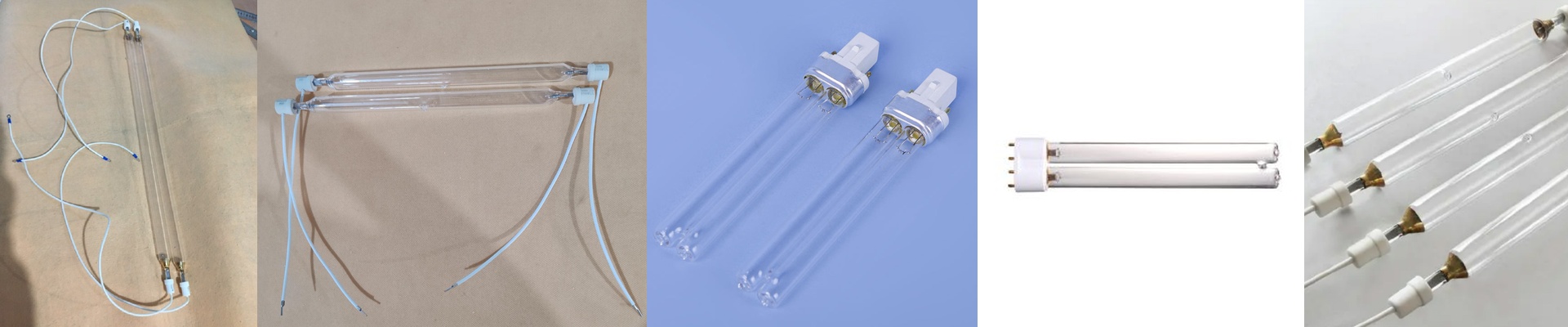
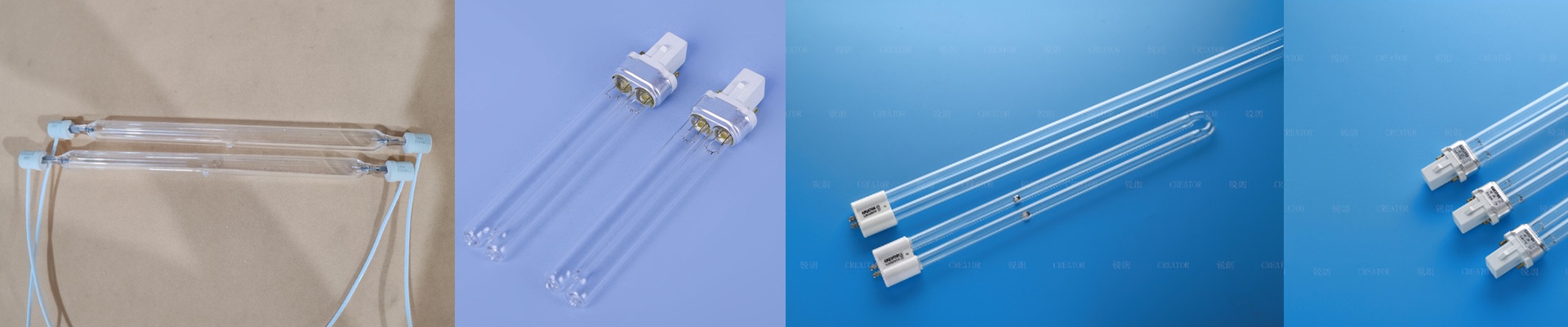
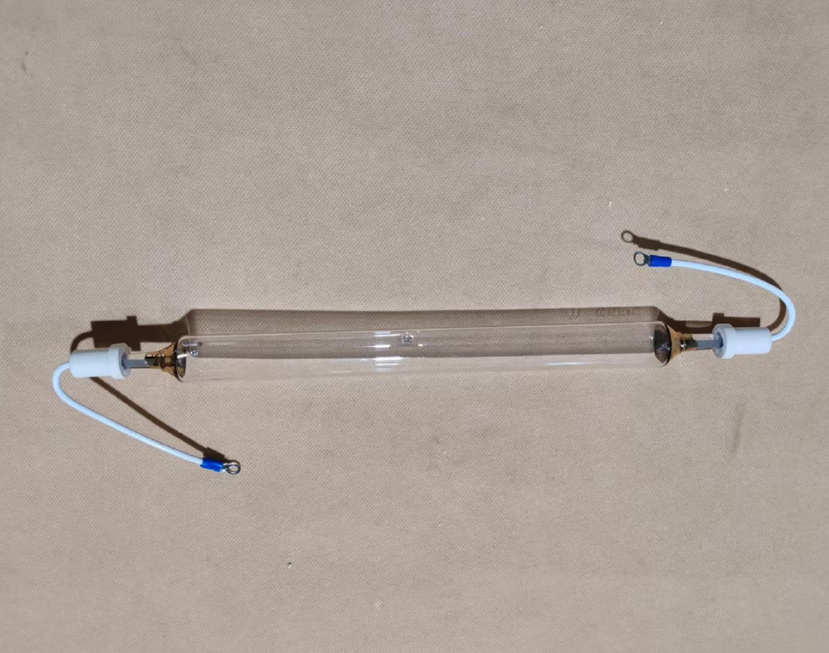
Here’s the thing—this lamp is spec’d to be a workhorse in the tight spaces of your machinery. The heart of it is a high-intensity UV source, sized to keep up with your line speed. It cures fast, but doesn’t waste energy. We run it on high voltage, often 400V, because that drives the arc more efficiently. It keeps the current draw down while still delivering the raw intensity needed to kill germs and set the ink. The length is designed to slide right into standard curing modules. So you get serious power in a small footprint, without having to re-engineer your whole setup.
The Details That Matter
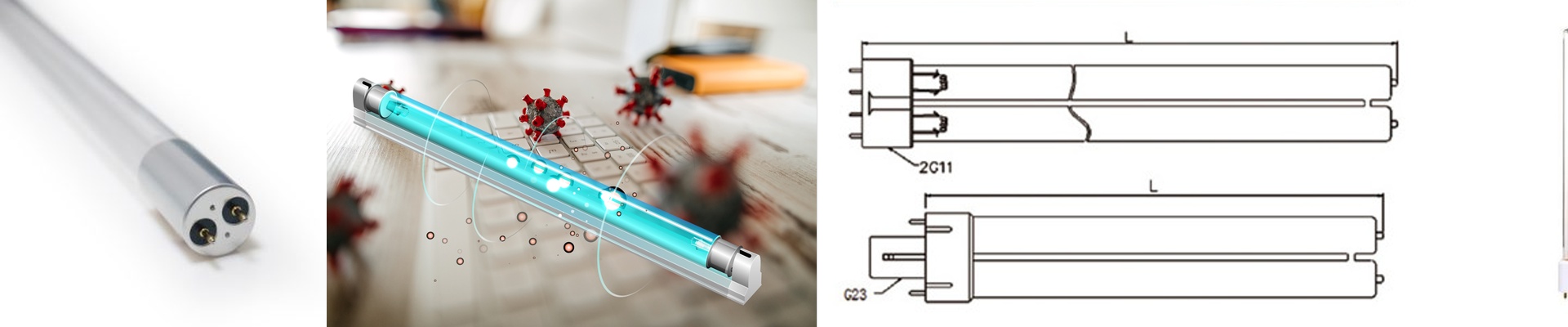
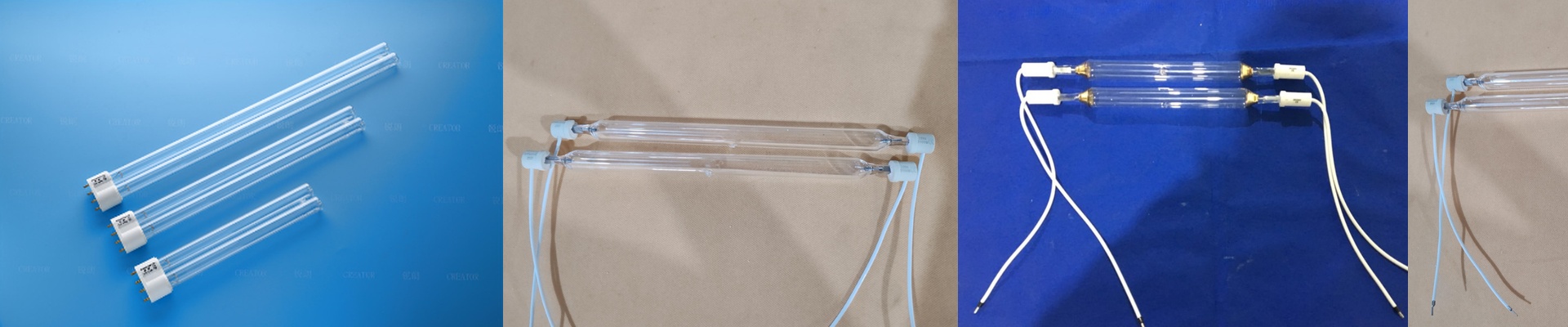
The UV comes through a quartz envelope because quartz is tough. It handles the shock of rapid on-off cycles and transmits UV consistently. Inside, the fill is tuned to give you stable germicidal wavelengths and a steady cure temperature. We also added a reflective coating to push the energy forward. Less waste. More punch. For the connection, we went with an R7s connector. It makes for a solid, reliable contact that can handle high heat, and it lets you wire this in as a direct swap for what you already have. This design cuts down on hot spots and helps the lamp hold up through a long, grinding shift.
What This Means for Your Floor
On the shop floor, this setup gives you two big wins. One, the focused UV energy cures inks faster. That means you can run your line at higher speeds without losing color quality or adhesion. Two, the germicidal output keeps microbial contamination in check in the curing zone. That protects delicate printed fabrics from the kind of contamination that shows up as defects later. Now, there’s a trade-off. High-intensity UV creates localized heat, so your machine’s cooling and airflow need to be up to the task. But when you match the lamp to your cooling capacity, you get stable output, less wasted energy, and fewer stops. Exactly what you need for reliable textile finishing.