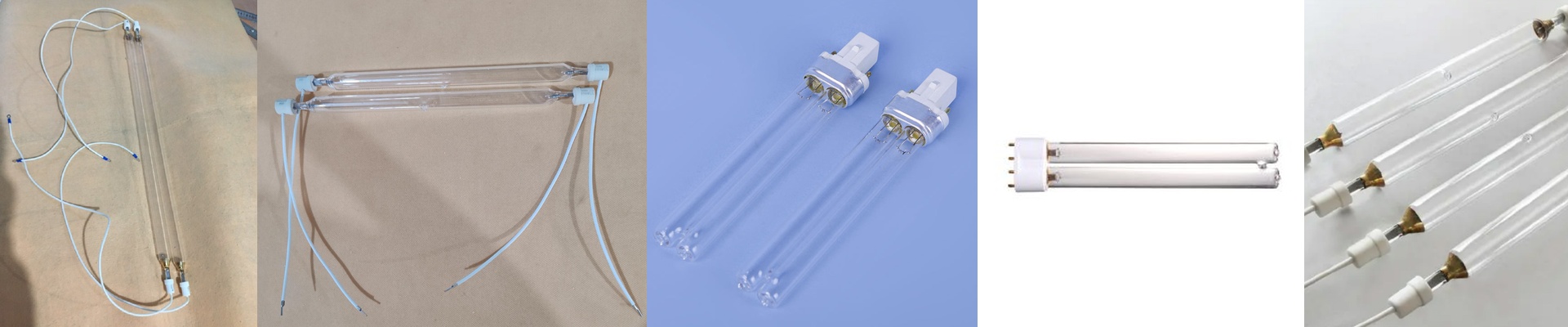
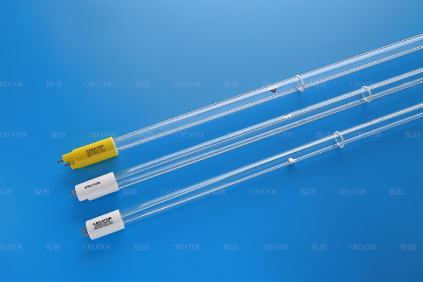
Engineering for the Long Haul
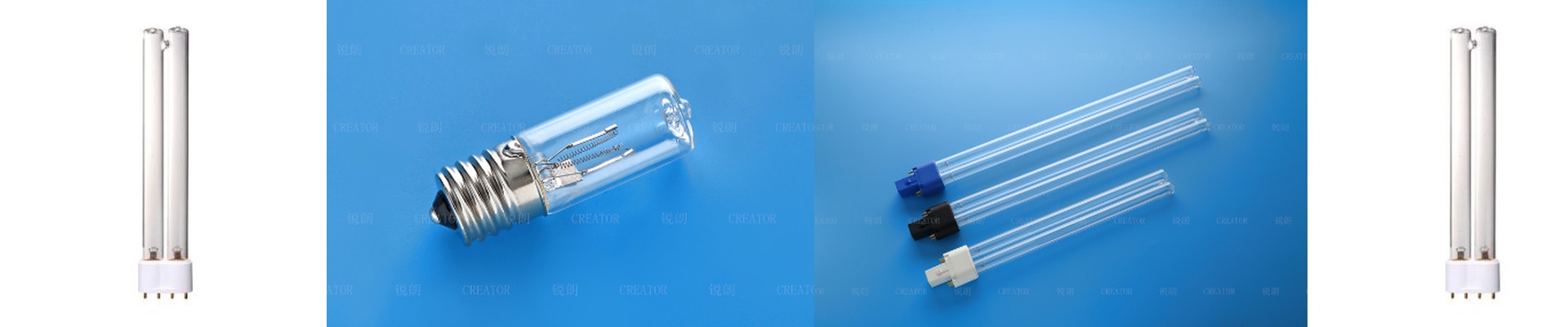
We’ve spent 15 years on these industrial UV lamps. Not just to hit some checklist, but to build something that actually survives the daily grind on the shop floor. This isn’t just another bulb. It’s a precision tool, built for serious, high-intensity disinfection in places where downtime isn’t an option. We obsess over the physics—the raw power of the UV output, how it holds up to heat, and the electrical reliability that keeps it running.
Power, Voltage, and Dimensions: Why It All Matters
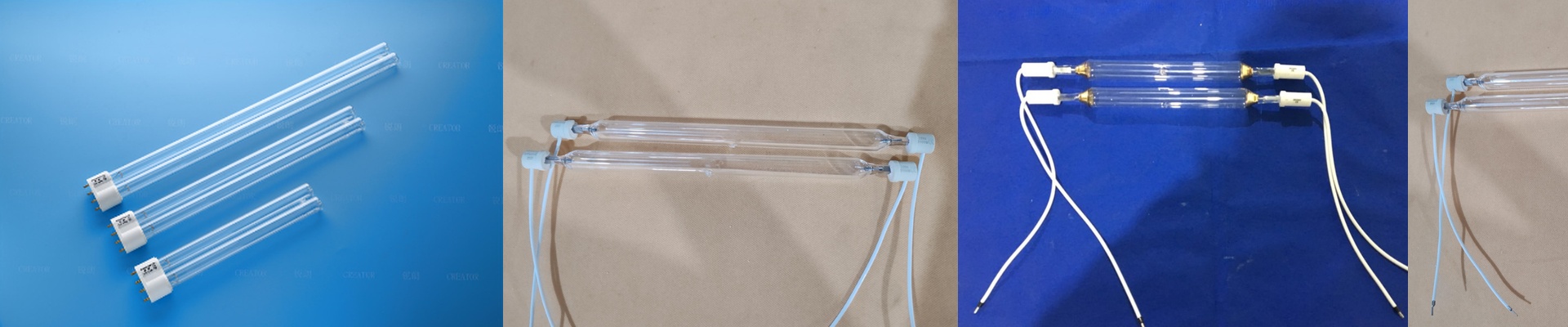
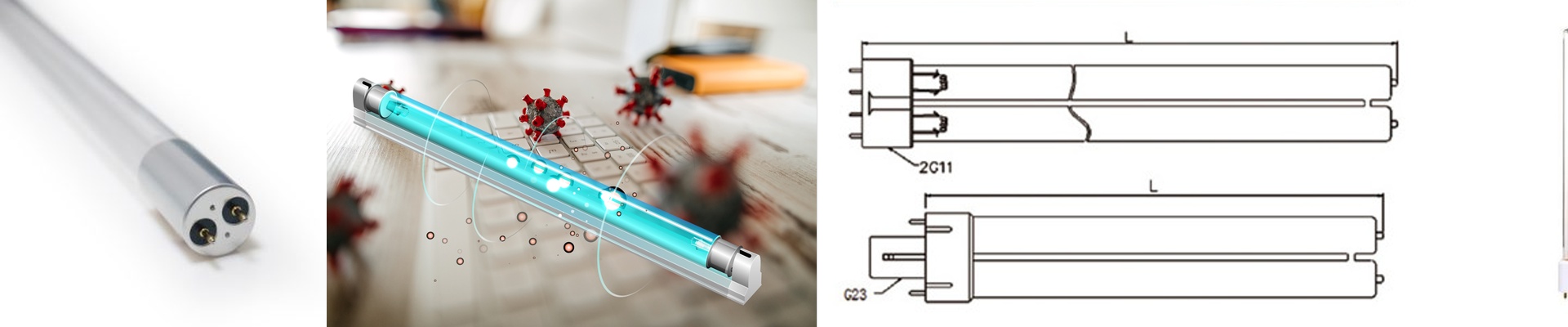
Here’s the thing—every detail is there for a reason. The power profile is tuned to deliver the exact UV-C energy density needed. The high-voltage design, typically running at 400V, strikes the mercury vapor inside the quartz tube with pinpoint efficiency. That’s what gives you a stable arc and consistent output, every single time. And that 300mm length? Not a random choice. It’s a careful balance—giving the UV the space to penetrate, letting the heat dissipate properly, and fitting neatly into your existing equipment. The 2500W rating gives you the muscle for serious germicidal action. But let’s be honest—that kind of power density puts real demands on your system. So yes, your cooling needs to be up to the task.
The Core Build: Where It All Comes Together
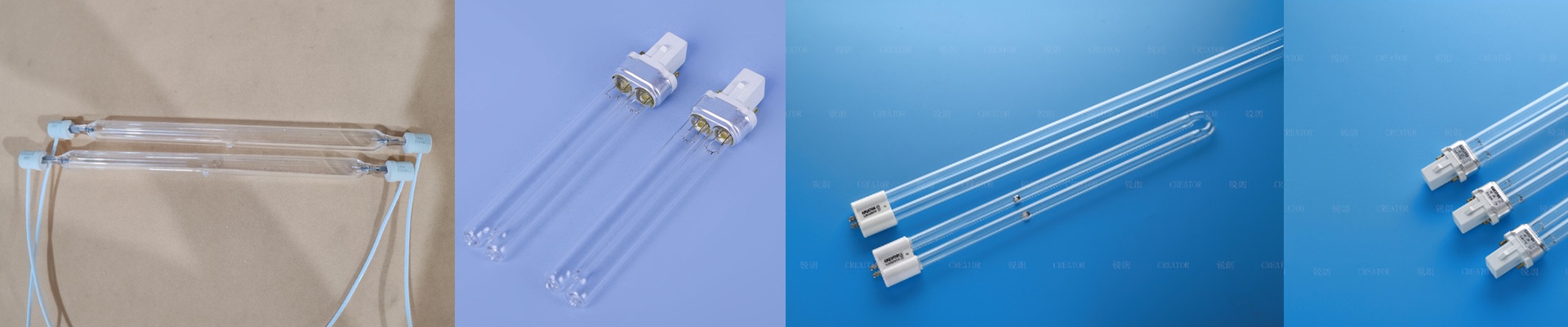
At the heart of this lamp is high-purity quartz glass. It’s essential because it lets the 254nm UV-C wavelength through cleanly, all while handling the intense heat of the arc. Inside, the coating is built to maximize UV-C output and shield the filament. And the R7s connector? It’s the workhorse—a solid, two-contact connection that handles high current without arcing or getting hot. The whole design means one simple thing: it’s a straightforward, drop-in replacement. So when it’s time for maintenance, you’re back up and running with minimal downtime.
Real-World Performance, Day After Day
In industrial settings, these lamps are put through the wringer—constant disinfection, vibration, and temperature swings. Failure isn’t just an inconvenience; it’s a problem. That’s why the build is so robust. It takes a beating without blinking. And because the engineering is so precise, you get consistent performance that keeps your process moving—whether you’re treating water, sterilizing surfaces, or purifying air. After 15 years of refining, we’ve worked out the failure points. You’re not just buying a lamp. You’re buying a solution that’s built to work—reliably, day in and day out.