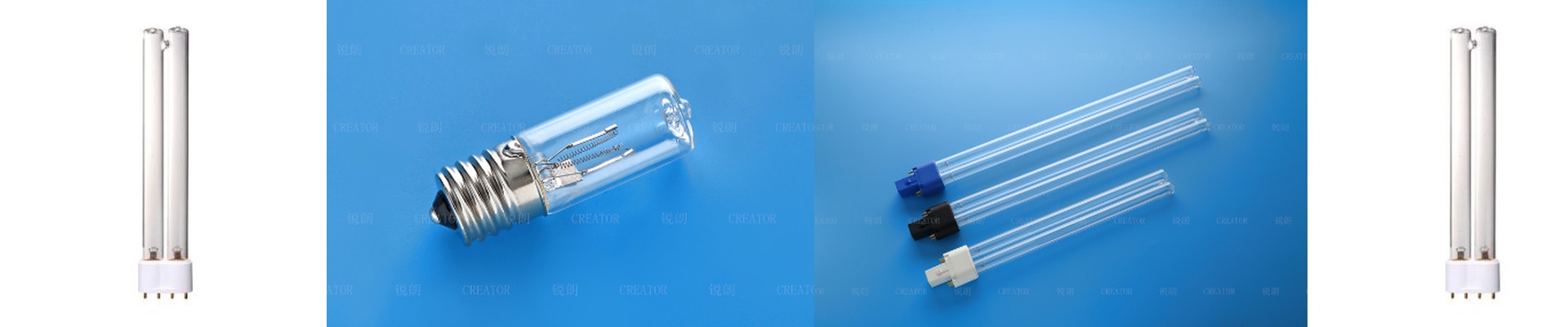
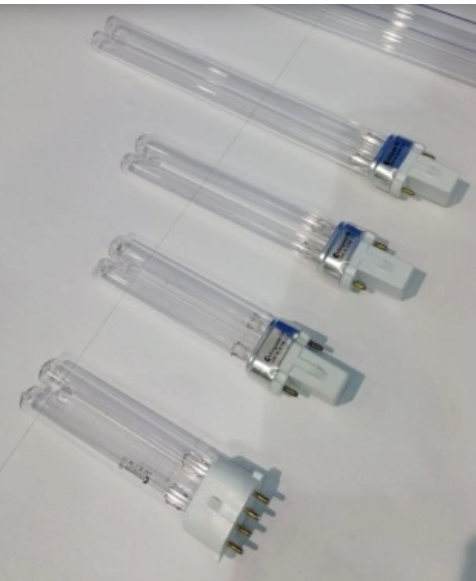
Stop Guessing With Your UV Lamps
Let’s be honest: a lamp that just turns “on” isn’t actually telling you much. If you’re running a factory floor, you know the anxiety of wondering if your sterilization is actually working or if you’re just burning electricity for the sake of it. Knowing a bulb is glowing is one thing. Knowing exactly how much UV intensity is hitting your product is where the real peace of mind comes from.
Making the Lamps “Talk”
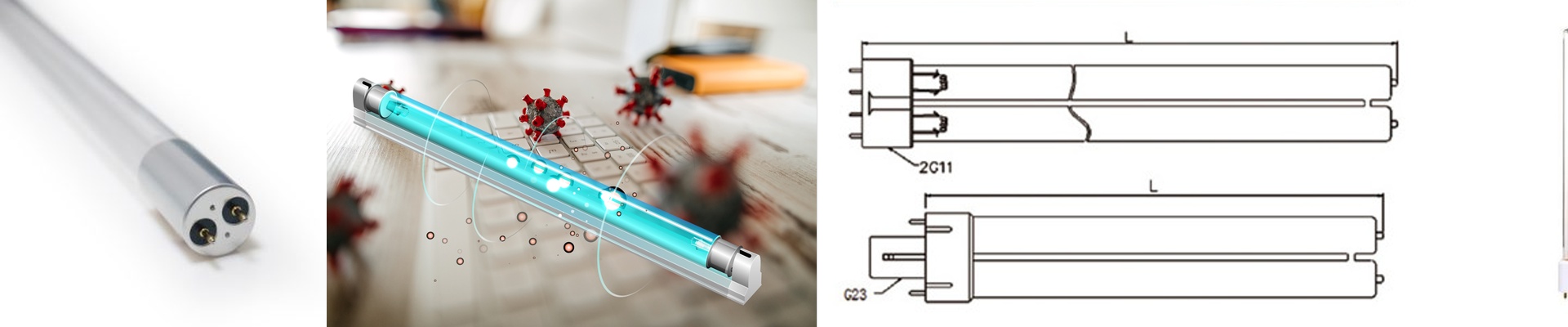
The old way was basically “set it and forget it” until something went wrong. Now, we’re moving toward systems that actually communicate. We’ve started putting current sensors and UV-C radiometers right inside the lamp housing. Instead of a dumb ballast, you get an IoT controller that beams wattage and irradiance data straight to your dashboard or PLC. It’s a huge relief. You can see a lamp starting to fade long before it actually dies, meaning no more emergency shutdowns or “uh-oh” moments during a quality check.
The Gritty Details (and the Trade-offs)
Here’s the catch: UV-C radiation is brutal. It eats through standard plastics and shreds normal wiring in no time. To stop the hardware from crumbling, we use fluorine-based cabling and quartz-glass shielding. It’s tough stuff. It takes the beating so the sensors don’t have to. Just a heads-up, though—these smart controllers do take up a bit more room in your electrical cabinet. And you’ll want a rock-solid network connection across the shop. If your Wi-Fi is spotty, your data will be too.
What This Actually Means for Your Day
No more swapping bulbs just because a calendar told you to. That’s a waste of money. Instead, you swap them when the light actually drops. You stop over-ordering spares and stop tossing perfectly good lamps in the trash. Plus, when things slow down, you can dial back the power. You save on the electric bill, but you still hit your sterilization marks. You hook it up once, and then you just let the system tell you when it’s time to get your hands dirty.