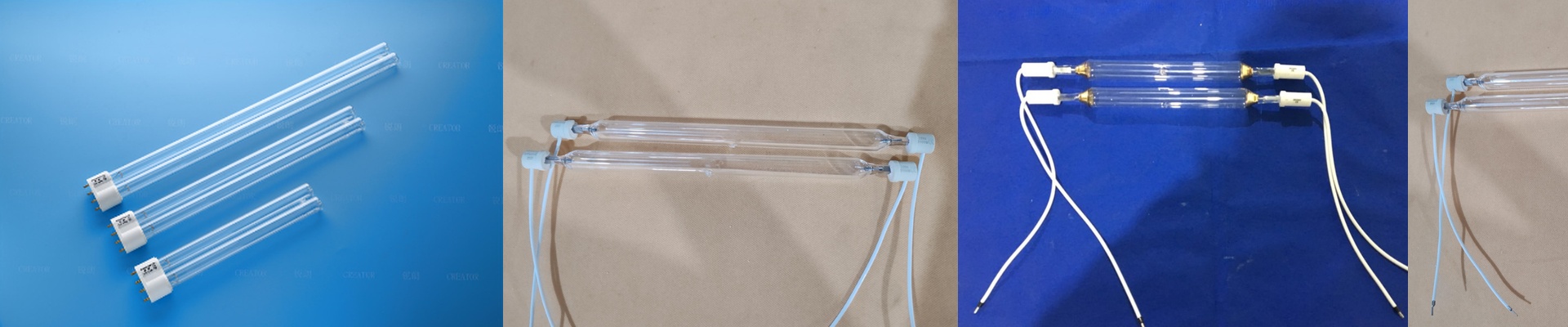
Getting Your UV Production Right with Gallium Iodide
If you’ve ever struggled with standard mercury lamps failing to cure deep coatings, you know the frustration. It’s a bottleneck. That’s why we lean on gallium iodide. These lamps hit a specific spot in the spectrum that actually gets through the thick stuff, and they do it without leaving you with a pile of hazardous waste to deal with at the end of the day. The Heat Factor Here is the thing about these lamps: they pack a massive amount of energy into a tiny space. It’s intense. To keep the tubes from cracking under all that thermal stress, we use reinforced, high-purity quartz. But you have to do your part.**Check your cooling fans.**If your airflow isn’t up to the task, the heat will just soak into the electrodes and kill the lamp early. It’s a simple fix, but it’s where most people trip up. Built to Last (For Real) We got tired of the old-school materials that leak toxins and make disposal a nightmare. So, we ditched them. Our current lamps use eco-friendly materials and a tweaked electrode alloy that actually lasts. We aren’t talking about those cheap alternatives that burn out the moment you look at them. These are designed to keep your line running for thousands of hours. Less downtime means you aren’t spending your weekend replacing bulbs. Getting Them Wired In When it comes to your ballast, you can’t wing it. The voltage and amperage have to match perfectly. If they don’t, you’re looking at annoying flickers or, worse, a tube that pops the second you flip the switch. And a pro tip:**use high-temp wiring.**These things run hot—really hot—and you don’t want your insulation melting into a puddle. Just keep in mind that this extra power comes with a heavier draw on your system. Give your circuit breakers a quick look before you plug everything in.