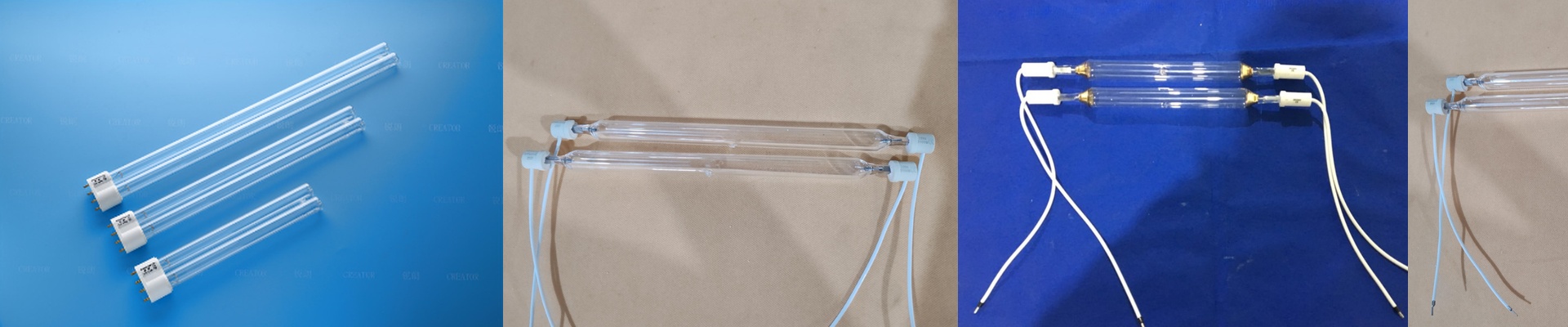
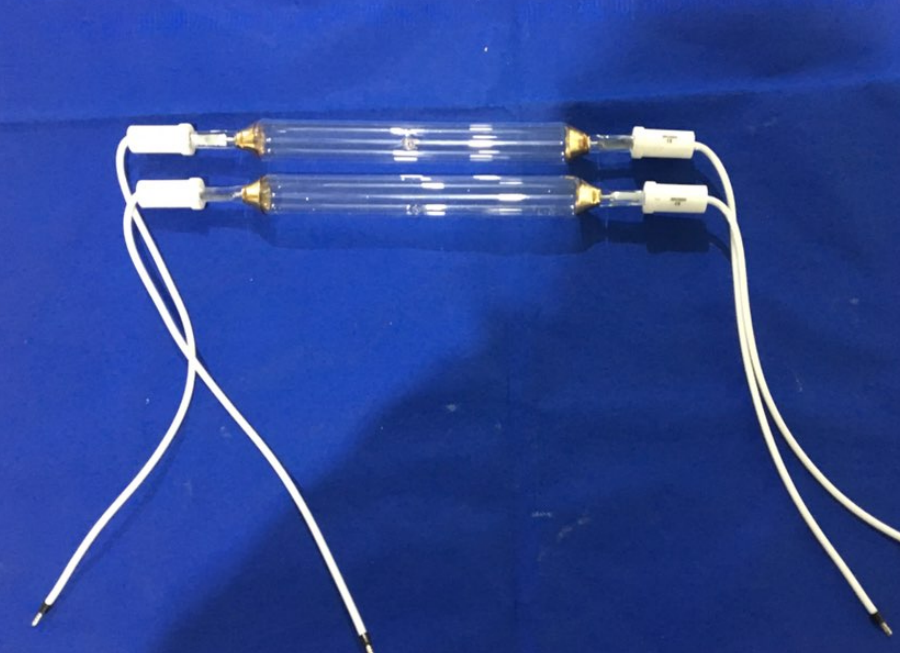
Why Gallium Iodide Lamps Actually Matter for Your PCBs
If you’ve spent any time in a PCB fab, you know the struggle with standard IR or UV lamps. They’re okay for some things, but the second you need to hit a specific photoresist layer, they just don’t cut it. That’s where Gallium Iodide (GaI) lamps come in. Instead of throwing a broad blast of light at the board, these lamps focus everything into a tight, high-intensity band. It’s not about cranking up the heat; it’s about sending exactly the right photons where they need to go.
The Secret Sauce
Most lamps waste a lot of energy by bleeding light across a spectrum you don’t even need. We fix that by doping the quartz envelope with Gallium Iodide. This forces the light into a specific range. For you, that means you can trigger the chemical reaction in the photoresist without cooking the board. No more worrying about the substrate warping because it got too hot. You get a concentrated peak of energy that cures the resist fully while keeping the board cool.
The Nitty-Gritty (and where people mess up)
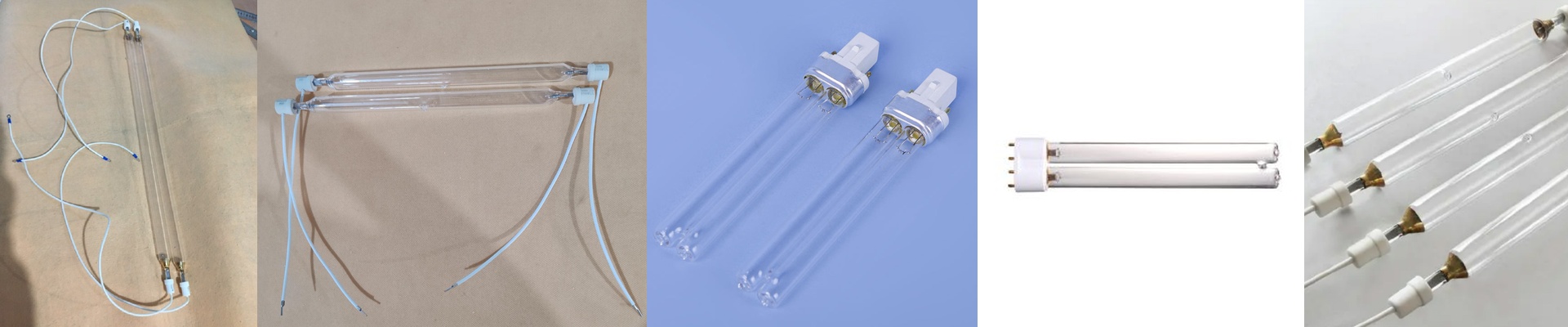
We build these tubes to handle some serious current. We’re very picky about the quartz glass because if it isn’t pure, the tube basically fights itself—absorbing its own light until it burns out. One big thing:**your power supply has to match the lamp’s impedance perfectly.**If they’re off, the arc gets unstable, and that’s a headache you don’t want. Also, these things get hot—especially at the end caps. Use high-temp wiring. And please, make sure your housing has actual airflow. If your cooling is weak, you’re just throwing away the lifespan of your lamp.
Getting it on the Floor
The best part? These are designed to be drop-in replacements. They fit right into your existing lithography rigs and reflectors without a fuss. Since the wavelength is so narrow, you don’t have to blast the boards for nearly as long. That speeds everything up. Plus, you stop paying for energy that the photoresist can’t even “see.” It’s just a cleaner, faster way to work.