Stop the Bloat: Getting Your Heat Right
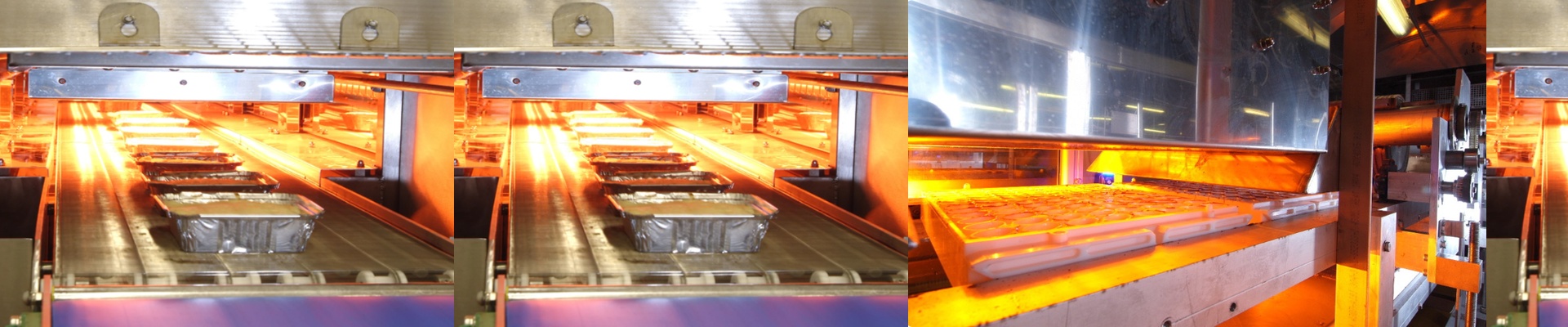
Ever pull a bloated can off the line and wonder where it went wrong? Usually, it comes down to a bad seal. If your gaskets aren’t softening correctly, you’ve probably got a heat distribution problem. In most OEM lines, you’ll find “hot spots” or “cold zones” in the infrared lamps. One part of the seal is melting, while another part is barely warm. That’s how you end up with a bond that looks okay on the surface but fails the moment it’s under pressure. It’s frustrating. And it’s expensive.
Why “Almost Even” Isn’t Good Enough
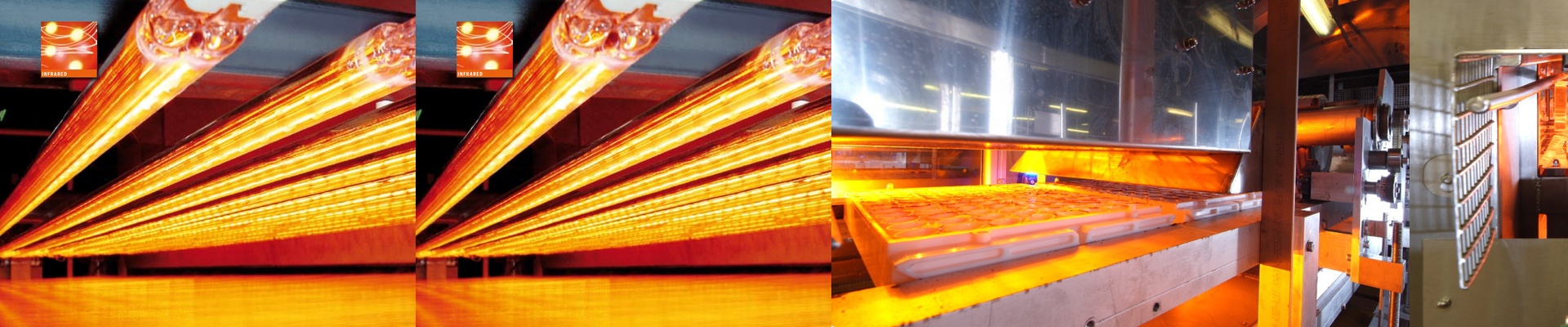
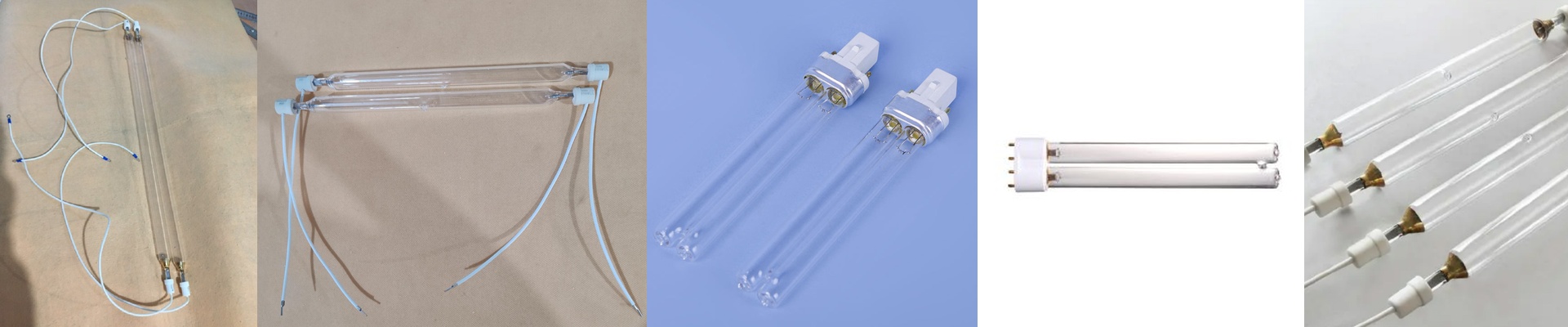
Here’s the thing about the physics: if the heat isn’t flat across the whole tube, you’re in trouble. We’ve seen it a thousand times. The center of the lamp gets scorching hot, but the ends stay cool. The gasket melts in the middle and stays hard on the edges. You get a seal that looks closed, but it’s actually leaking. That’s where the gas builds up and your cans start looking like balloons. To fix this, we obsess over the wattage-per-centimeter. By tweaking the filament winding and the quartz thickness, we make sure the heat hits every single millimeter of that can diameter exactly the same way.
The Catch with High-Intensity Lamps
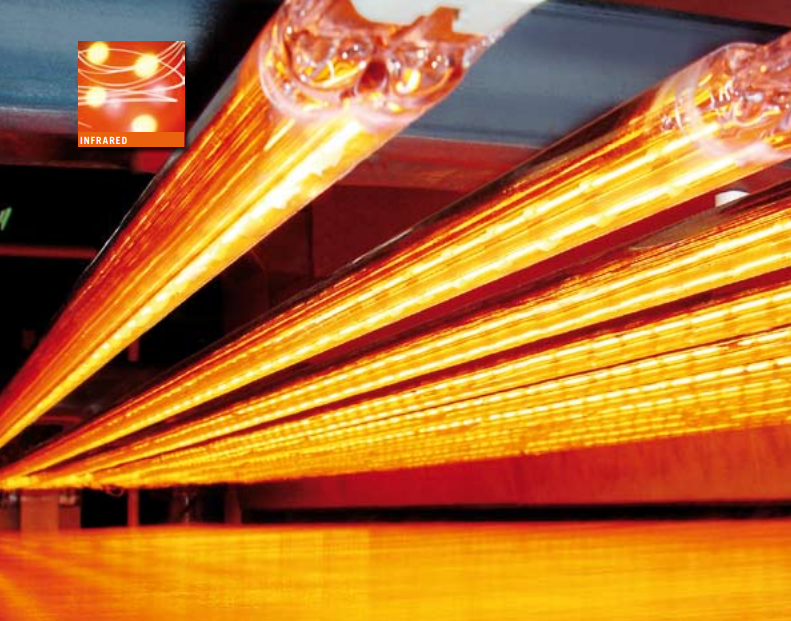
Shortwave lamps are great because they’re fast. Really fast. They hit your target temp in a blink. But there’s a trade-off. All that intense heat puts a lot of stress on your reflectors. If your optics are pitted, dirty, or just slightly crooked, that beautiful, uniform heat is wasted. You have to keep things clean, or you’re just throwing energy away.
Less Scrap, Less Stress
When you switch to a lamp with a calibrated heat field, you can stop guessing. You don’t have to keep fiddling with temperature controllers and hoping for the best. You just let the physics do the work. The heat is even, the seal is airtight, and the line moves faster. Best of all? You stop seeing those bloated cans on the belt.