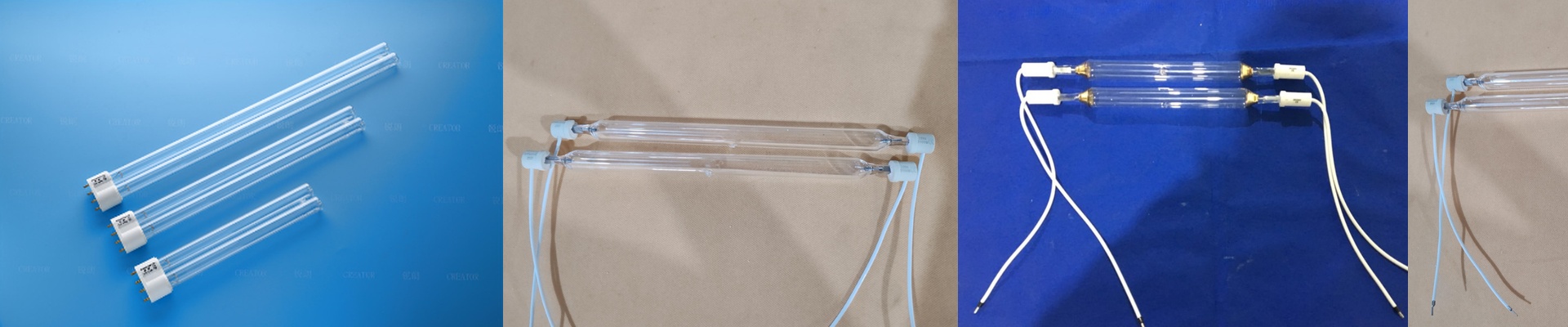
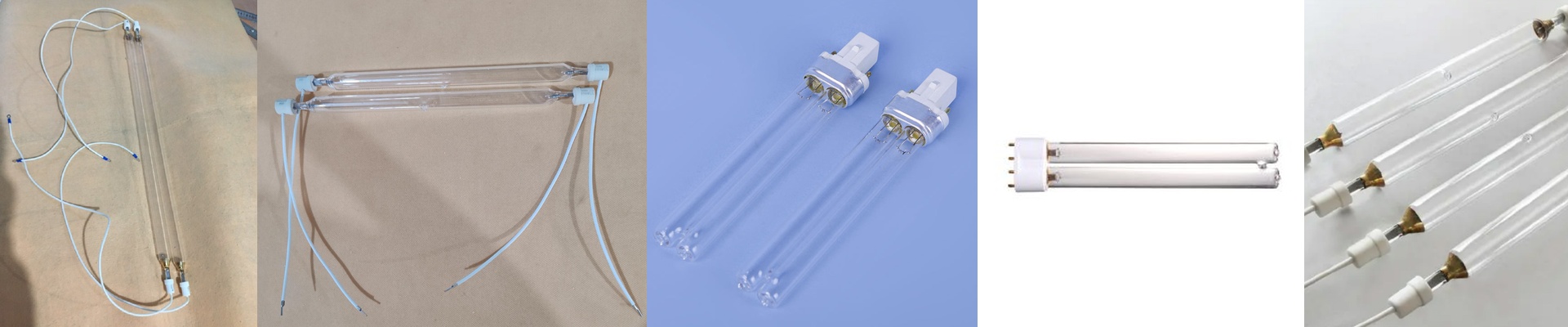
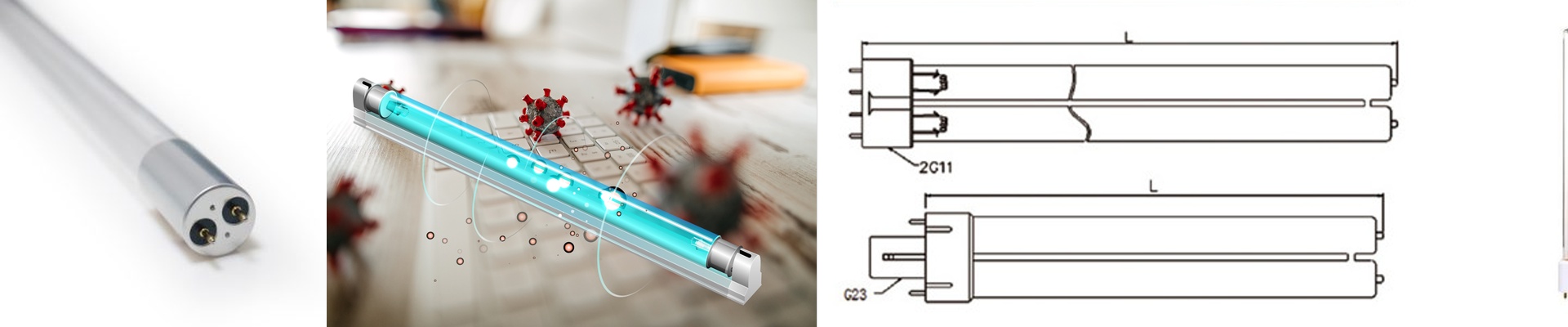
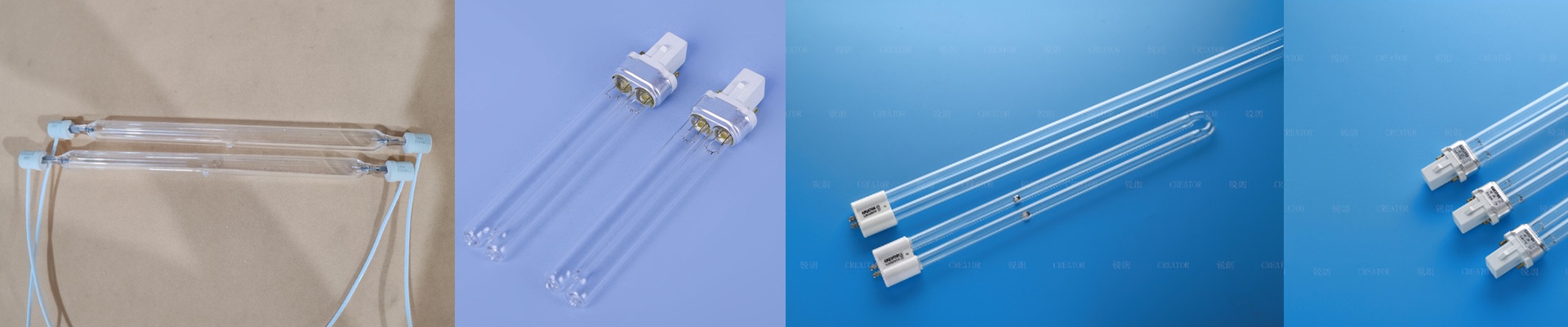
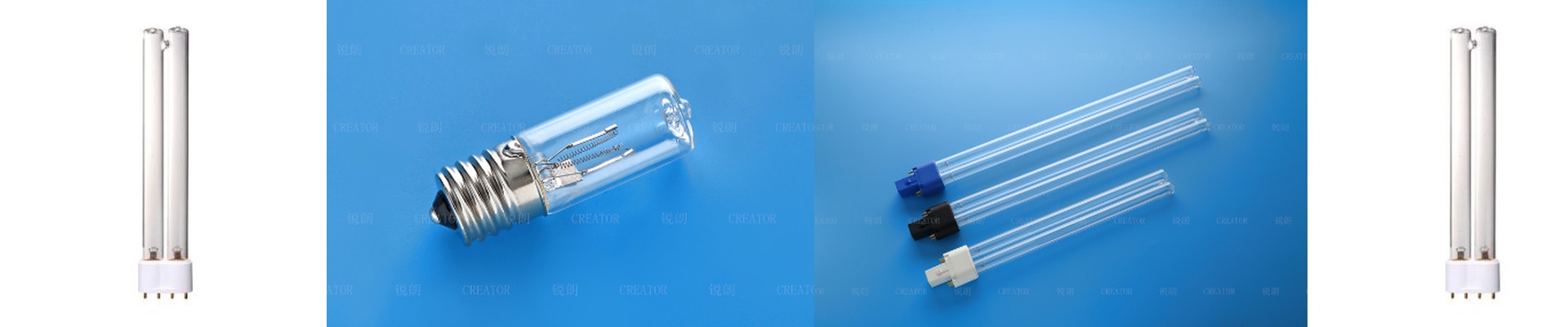
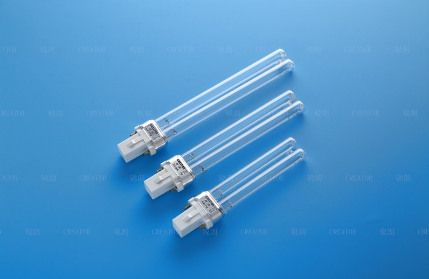
Let’s Talk About Our 120W/cm Mercury UV Lamps
When we set our standard lamps at 120W per centimeter, we weren’t just picking a random number. We were thinking about your ink. That specific power density is what determines how many photons actually hit your coating. For most small to mid-sized shops, it’s the “sweet spot”—strong enough to cure modern UV inks, but not so aggressive that you end up scorching your materials. The heat is real. Here’s the thing: 120W/cm puts out a lot of energy, and a huge chunk of that is heat. That’s why we use high-purity quartz glass; it’s the only way to keep the lamp from cracking under the stress. But you have to be careful with your setup. If your conveyor is crawling or your fans aren’t pulling enough air, you’re going to have problems. I’ve seen thin plastics warp and paper char simply because the substrate stayed under the lamp a few seconds too long. Keep it moving. How it actually works Inside the lamp, we’re exciting mercury vapor to create a broad splash of UV light—mostly in those UVC and UVB ranges. This is what tells the photoinitiators in your ink to lock together and harden. The secret sauce is the arc stability. You want a steady, unwavering stream of light across the whole width of the web. If the power dips or the lamp starts flickering, you’ll find those annoying “wet spots” or uncured patches in your print run. Nobody wants to scrap a whole job because of a shaky arc. Getting it on your floor We designed these to be simple drop-in replacements. You shouldn’t have to rip out your entire curing frame or spend a fortune on a system overhaul just to get better results. We also cut out the overpriced branding. You’re paying for the tech, not a fancy logo. Just wire it into your existing ballast, double-check your focal distance, and you’re good to go. One last tip: give it a minute. Mercury lamps need a little time to warm up, so don’t expect 100% power the millisecond you flip the switch. Give it a moment to breathe, and it’ll do the work.