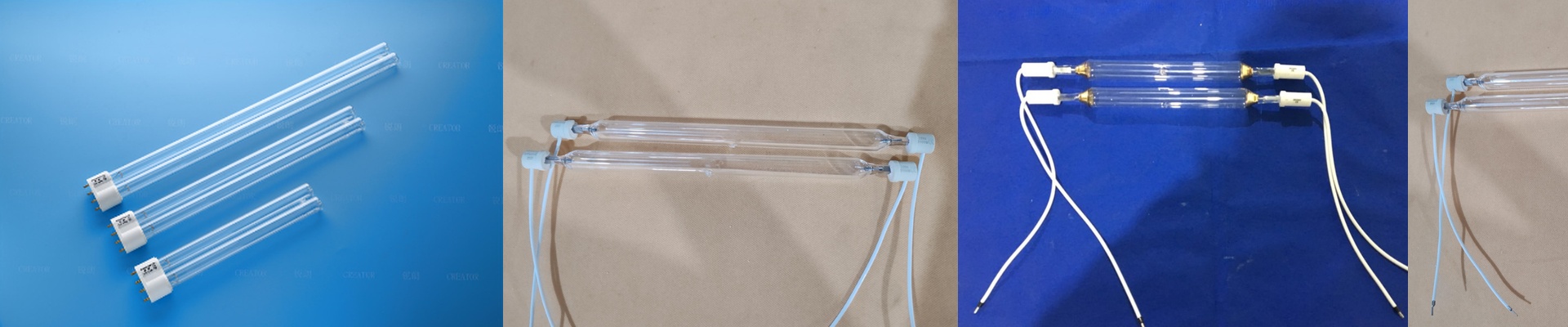
Why you actually need CE certification for your UV curing bulbs
Let’s be honest: at first glance, a mercury UV curing bulb looks like just another glass tube filled with gas. But once you flip the switch, it’s a different story. You’re dealing with high voltage, intense heat, and radiation. If you’re running a production line in the EU or any regulated market, you can’t just plug in any old bulb. You need that CE mark. Not because of some bureaucratic checkbox, but because it’s the only way to know the thing won’t cause a disaster on your shop floor. The nitty-gritty of the engineering CE certification is basically a promise that the bulb won’t kill someone or fry your equipment. When you’re working with high-frequency ballasts, things can get messy. If the insulation is sloppy or the shielding is off, you get arcing. That’s a great way to blow a fuse or—even worse—fry your expensive control boards. To get certified, we have to be obsessive about the tiny details. We tighten the tolerances on the quartz envelope and make sure the electrode seals are airtight. It’s the difference between a bulb that just “works” and one that you can actually trust. The gamble of going “generic” I see it all the time. A shop tries to shave a few bucks by buying non-certified generics. It feels like a win until it isn’t. On paper, the wattage and length might look identical. But in reality? The spectral output is often all over the place. One minute it’s fine, the next it dips. Suddenly, your cure rate drops, and you’re staring at a batch of tacky surfaces or coatings that peel right off. That CE stamp is like a technical passport. It tells you the lamp has already been through the ringer in stress tests. It turns a random part into a professional tool. Is it worth the extra cost? Yeah, certified bulbs cost more. Testing and paperwork aren’t free, and that cost gets passed down. But here’s the thing: a failed lamp in a high-speed curing tunnel is a nightmare. The downtime alone costs way more than the price difference of a quality bulb. Plus, you don’t have to worry about failing a safety audit or having your insurance company walk away because you used uncertified parts. We stick to these standards because we’d rather you pay a little more upfront than deal with a total meltdown during your busiest shift.