Getting Your Printing Lines to Actually Keep Up
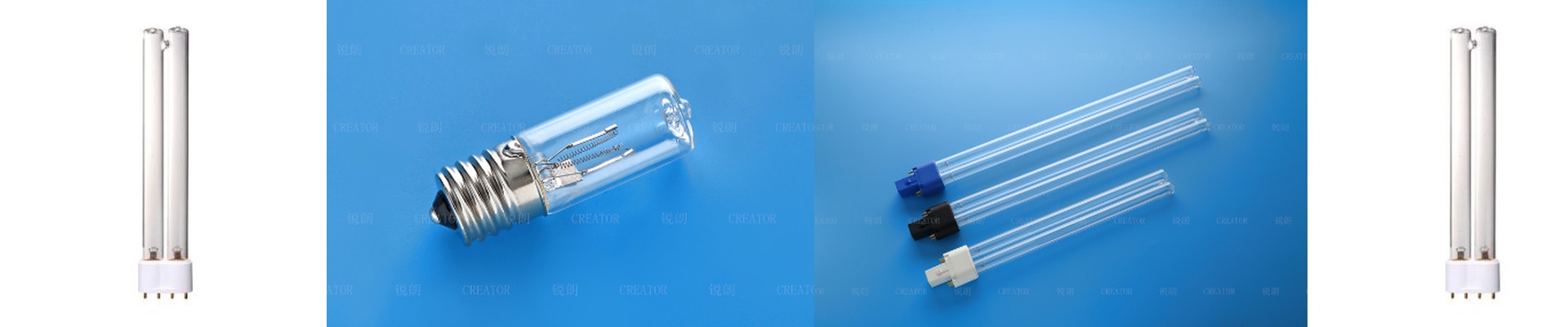
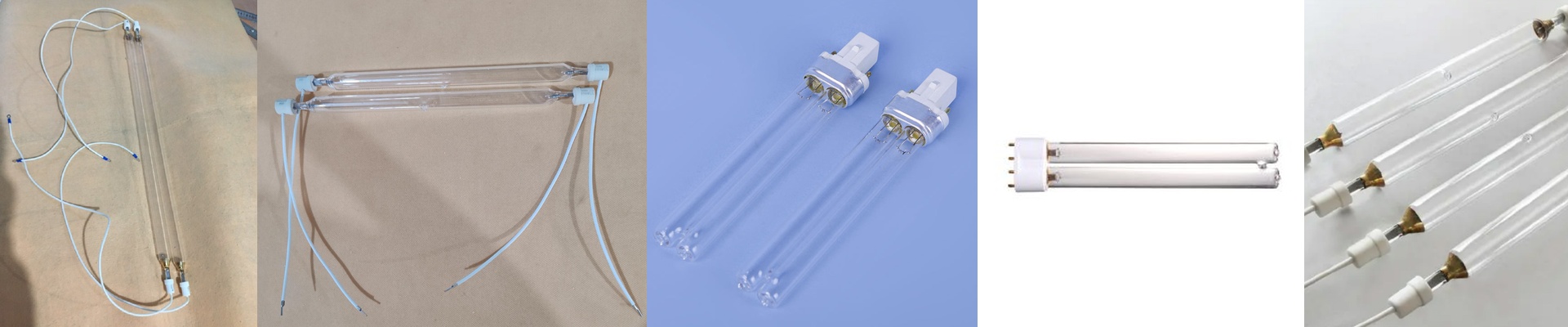
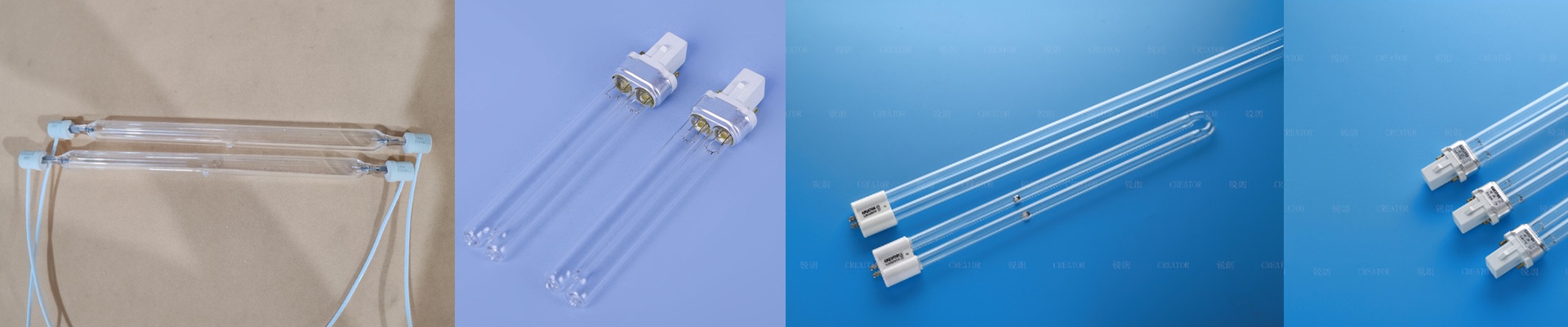
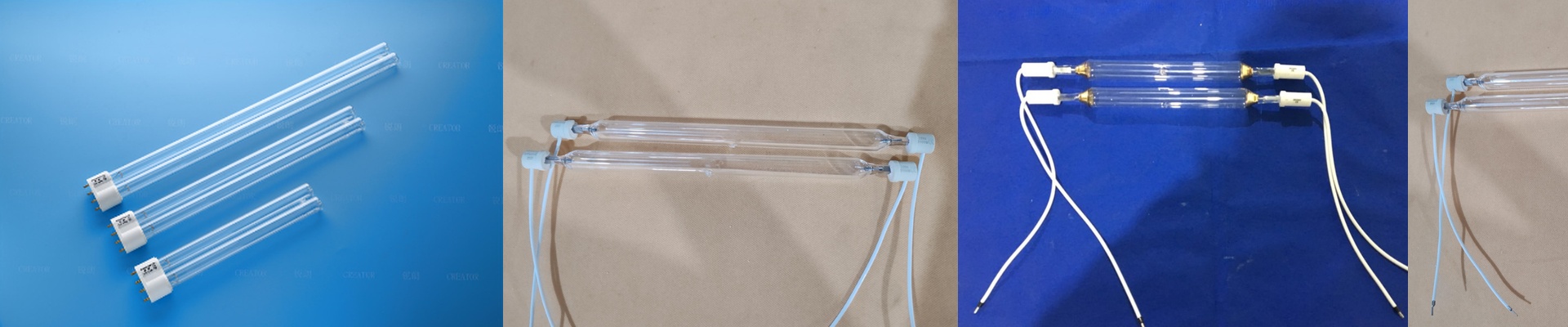
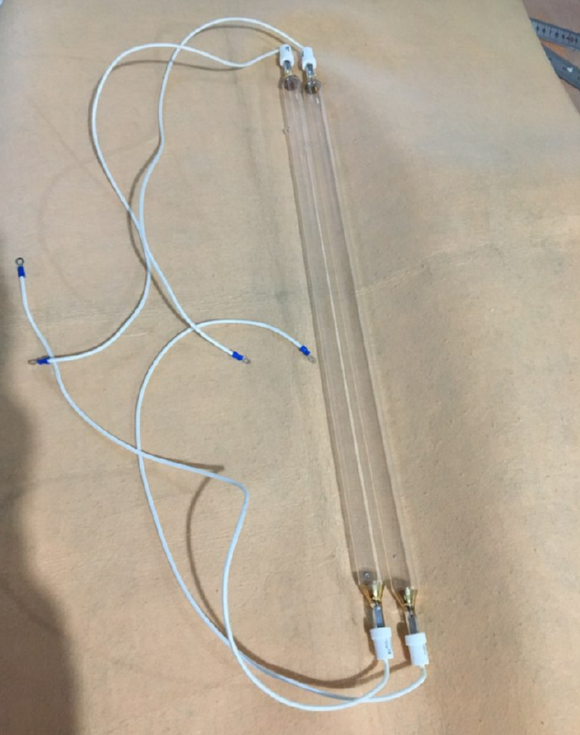
We spent some time at the 2026 Printing Exhibition showing off our custom UV lamp modules. Now, these aren’t the kind of bulbs you just grab off a shelf. We build them from the ground up because, let’s be honest, standard units usually can’t keep up when you’re pushing for specific curing speeds or deep sterilization.
The nitty-gritty on light and speed
Here’s the thing: if you’re running a high-speed line, you only have a few milliseconds to trigger that photopolymerization. You need a massive hit of intensity, right now. That’s why we obsess over the narrow bands of UV-C and UV-A. We tweak the wattage, the tube length, the electrode spacing—even the gas fill—so the power stays consistent. You won’t see that annoying drop-off at the ends of the tube where things usually get patchy.
How we actually build them
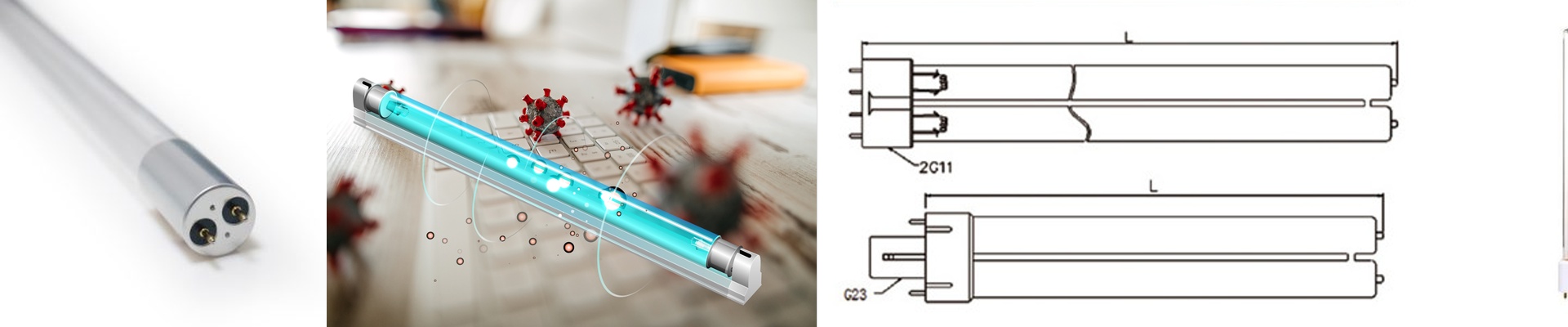
We use high-purity fused quartz for the envelopes. Why? Because regular glass sucks up UV energy. When that happens, the tube gets way too hot and burns out long before it should. And for the connectors, we use industrial-grade pins. No arcing, no sparks, no headaches when the voltage spikes. You can just slide these into your existing racks as a replacement, or we can build a custom housing if your setup is a bit weird. We’ll make them whatever length you need to fit your footprint.
The honest truth about heat
But look, there’s a trade-off. High intensity means high heat. If you crank up the wattage to shave seconds off your cure time, your cooling system has to be able to handle it. If the airflow is weak or the water-cooling is lacking, your substrate might warp, or your lamp life will tank. We’ll give you all the thermal data upfront. That way, you can find that sweet spot between “lightning fast” and “not melting my equipment.” At the end of the day, these are built to take a beating in a loud, messy factory. You get a steady output that keeps the line moving so you can stop swapping out lamps every five minutes.