Stop Guessing With Your UV Curing
For a long time, UV lamps have been “set it and forget it” tools. You turn them on, hope for the best, and check the parts at the end of the line. But that’s a risky way to run a business. The real move forward isn’t about pumping out more wattage or obsessing over wavelengths. It’s about actually knowing what’s happening inside the lamp while it’s running. We’re putting energy monitoring right into the circuitry so you can stop guessing if your parts are actually curing.
Why Active Monitoring Matters
Most systems just run on a timer. It’s simple, sure, but it’s also wasteful. You end up burning through power and killing your lamps way too early. By putting IoT sensors directly into the power supply, we can see the energy draw and the spectral decay as it happens. You get a live look at the irradiance. If the output dips below what you need for a full cure, you’ll know immediately—not after a hundred bad parts have already hit the bin.
The Messy Part: Making It Actually Work
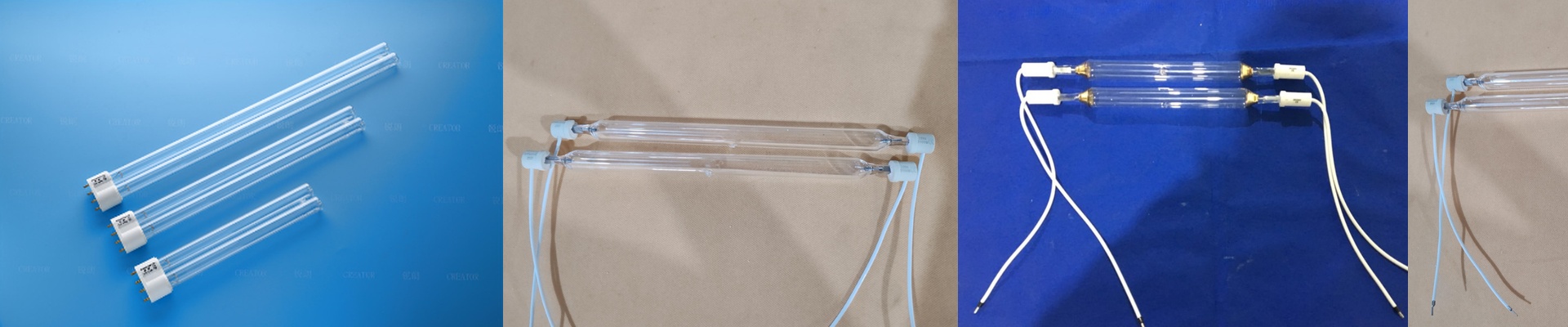
Now, you can’t just slap a sensor onto an old ballast and call it a day. That doesn’t work. Adding this hardware takes up more space in the power supply. Plus, UV igniters create these massive high-voltage spikes. If the circuitry isn’t built specifically for that, those spikes will fry your data modules in seconds. Then there’s the heat. These things get hot. Really hot. If you put the monitoring electronics too close to the quartz tube, they’ll melt. We solved this by using shielded cables and mounting the sensors further away from the “kill zone.” Just a heads-up: if your cooling fans are already struggling, adding this gear might bump up the temperature around the driver.
What This Actually Does For Your Shop
This changes how you handle maintenance. Instead of swapping out lamps every 1,000 hours because “that’s the rule,” you only do it when the data shows a 10% drop in efficiency. It’s a huge relief. Less downtime, less waste, and fewer midnight emergencies. You can plug everything into one dashboard and see exactly which station is slowing down your line. It just makes the whole floor run smoother.