Getting the Deep Cure Right: Why Gallium Iodide Matters
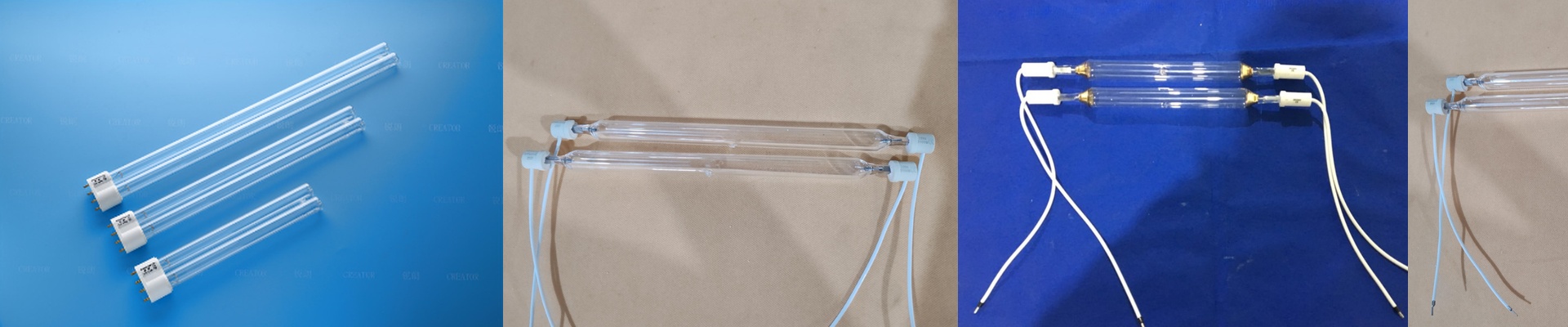
Ever had a print job look perfect on the surface, but as soon as you rub it, the ink smears? It’s frustrating. Usually, it’s because standard mercury lamps just can’t punch through thick ink or heavy pigments. They hit the surface and stop. That’s where Gallium Iodide (GaI) comes in. By swapping in gallium, we shift the light to a longer wavelength. Think of it as a deeper reach. Instead of just hitting the “skin” of the ink, the light actually sinks in, curing the bottom layer just as fast as the top. No more guesswork.
The Tech (Without the Headache)
It all comes down to the dopant. By mixing gallium into the iodide, we widen the light profile. This is a lifesaver when you’re working with high-pigment inks that usually act like a shield against UV light. But here’s the thing: you can’t just throw any bulb in and hope for the best. If the wattage or voltage is off, you’ll either end up with a gooey base or a scorched surface. We don’t do “one size fits all.” We tweak the tube length and power density to match exactly how fast your conveyor is moving.
Keeping Things Cool
GaI lamps run hot. Really hot. To stop the tubes from cracking under that kind of heat, we use high-purity quartz. But the hardware around the lamp matters just as much as the glass. You’ve got to keep an eye on your cooling fans. If your heat sinks can’t keep up, your lamp life is going to tank. We also obsess over the end-caps. A tight electrical fit means no arc-over at the terminals, which means fewer headaches for you.
Making It Work on Your Line
These aren’t just “plug and play” bulbs you can swap into any old machine. The lamp has to speak the same language as your photoinitiator. If they aren’t in sync, you’re just wasting electricity. This is where “skinning” happens—that annoying situation where the top looks dry, but the inside is still wet. We aren’t here to just sell you a bulb. We’re looking at the physics of the cure. If you decide to speed up your production line, just let us know. We’ll recalculate the wattage so your prints stay rock solid, no matter how fast they’re flying by.