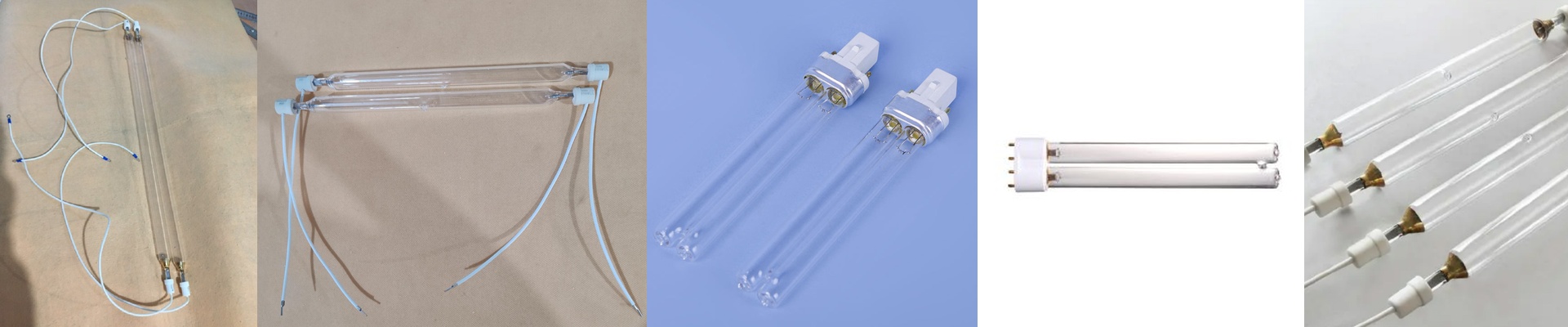
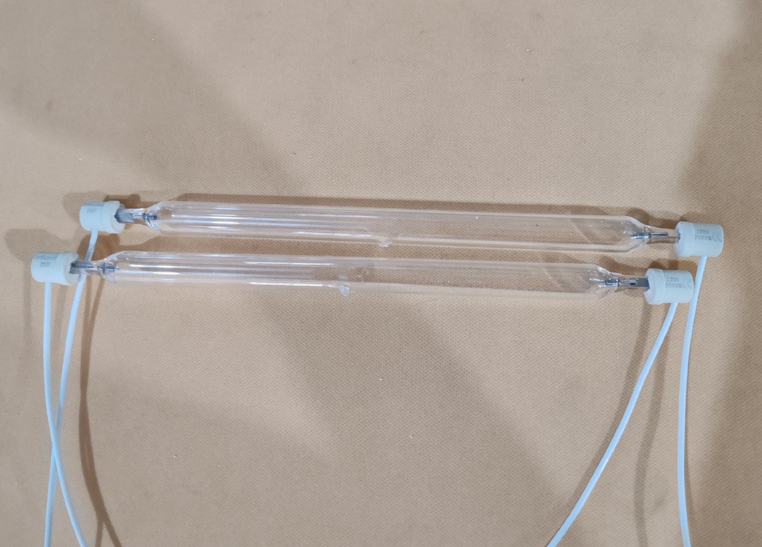
Let’s Talk About CE Certification and Your UV Lamps
When you’re ordering industrial mercury UV bulbs in bulk, a CE sticker can feel like just another piece of red tape. Something to check off a list so the paperwork is done. But here’s the thing: with high-voltage lamps, that sticker is actually your safety net. It’s the difference between a smooth operation and a sudden, expensive disaster.
It’s More Than Just a Stamp
These bulbs aren’t simple lightbulbs. They run under intense pressure and specific voltages just to keep that plasma arc alive. I’ve seen what happens with the cheap, uncertified imports. The electrode welding is sloppy. The quartz sealing is weak. Then, the moment they hit thermal stress, the glass just fractures. It’s a mess. When a lamp is CE compliant, it means the insulators have actually been tested. It means the bulb can handle that initial power surge without frying your ballast. It just works.
Avoiding the Nightmare Scenario
You can’t just toss non-certified lamps into a high-end production line in Europe or North America. And honestly? Your insurance probably won’t touch it. If a non-compliant component starts a fire, you’re on your own. Plus, there’s the headache of customs. Nobody wants their shipment seized at the border because of a missing certification. Sticking to the standard makes these “drop-in” replacements actually fit the safety profile of your machinery. No surprises.
The Real Cost of “Cheap”
Look, staying compliant costs more. We have to use higher-grade quartz tubing and keep the mercury fill within incredibly tight tolerances. Yes, the price per unit goes up. But you get something priceless in return:predictability. You know exactly how many microwatts per square centimeter you’re getting, every single time. If you skip the certification to save 10% on the bill, you’re gambling with your entire line. One faulty batch can shut down your whole operation. We build to the spec because we’d rather you spend a little more now than lose a whole week of production later.