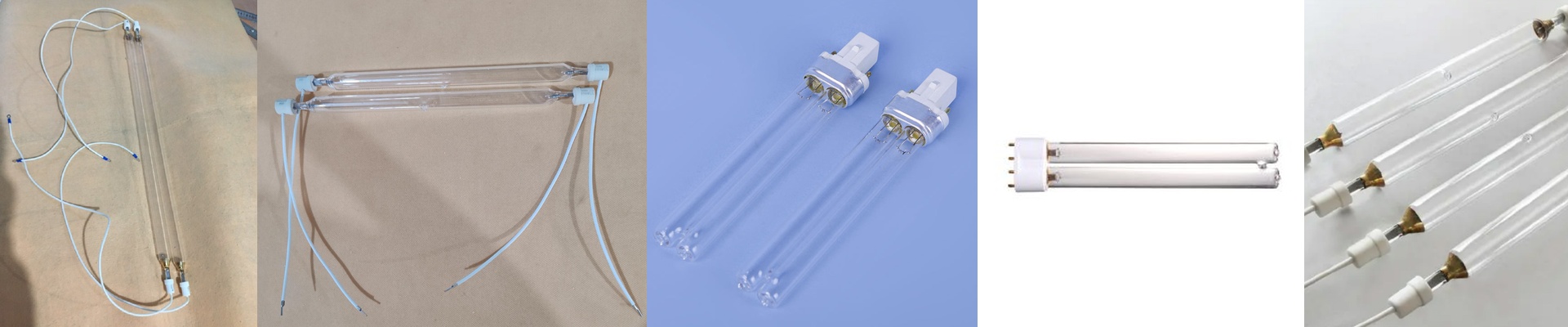
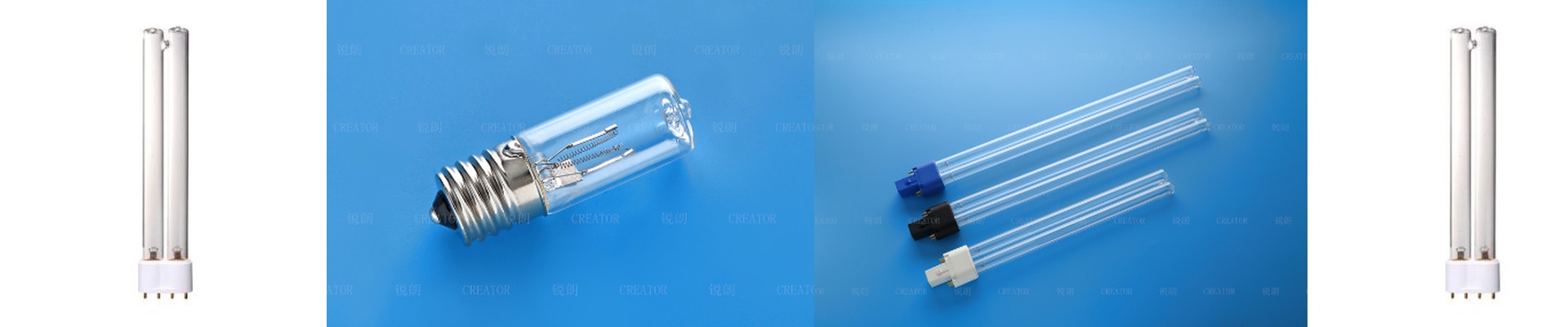
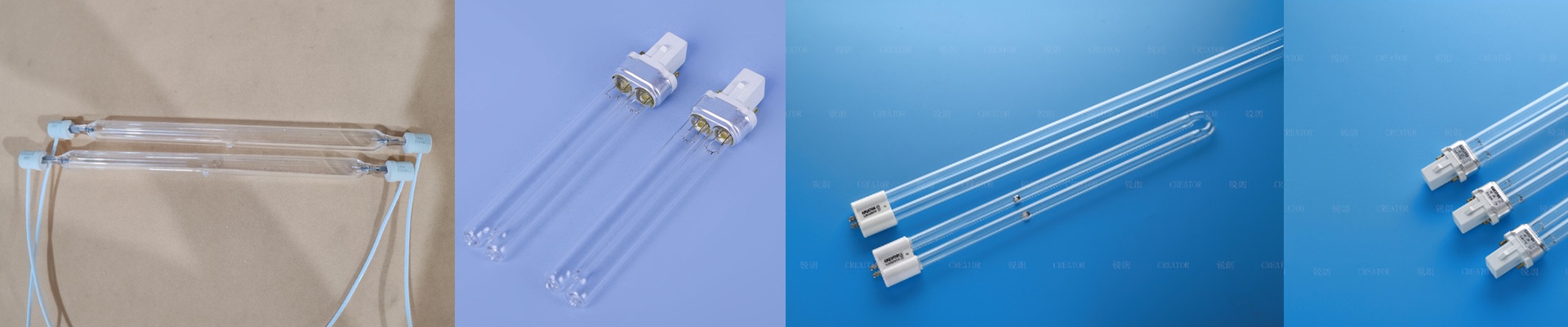
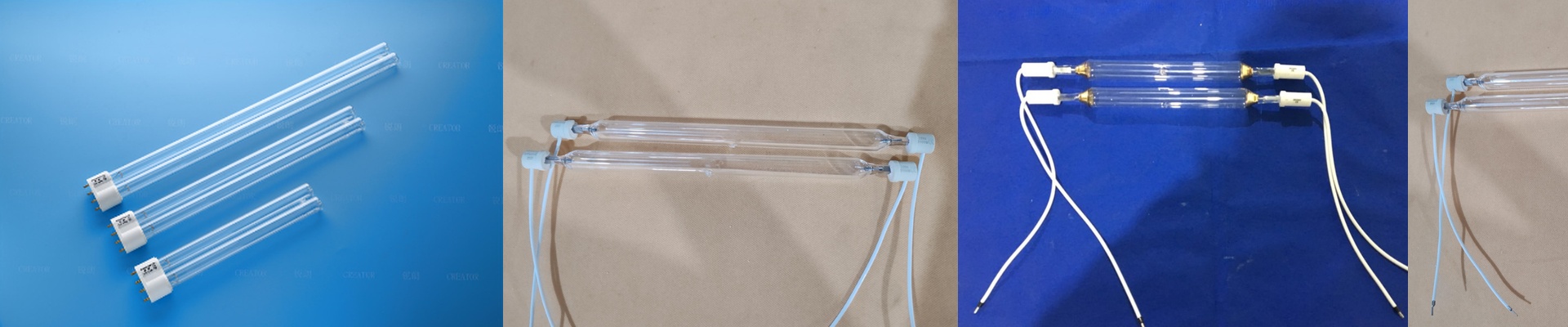
Getting the Most Out of an 80W/cm Mercury UV Lamp
Think of these lamps as more than just a light bulb. They’re really high-energy tools. When we build an 80W/cm mercury lamp, we’re trying to hit that sweet spot where your curing happens fast, but you aren’t destroying your materials in the process. The power behind the light Packing 80W per centimeter means we’re cramming a lot of energy into a very small space. It’s intense. That high photon flux is what kicks the photo-initiators into gear, triggering that rapid polymerization you need to keep your line moving. To keep things steady, we use high-purity mercury vapor. Why? Because nobody wants their output drifting halfway through a long shift. You need it to be the same at 4 PM as it was at 8 AM. Dealing with the heat Here is the tricky part: all that power creates a ton of heat. We use fused quartz envelopes because they can take the temperature and let the UV rays pass through without getting in the way. But that heat doesn’t just vanish. It goes straight into your conveyor or your parts. If your cooling fans aren’t up to the task, you’re going to have a bad time. We’ve seen it happen—warped parts or burnt edges on a coating. It’s a nightmare. My best advice? Keep a close eye on the skin temperature of your substrate. Don’t guess. Measure it. Making it smart The old way of doing things was “set it and forget it.” But that doesn’t really work anymore. You can’t just wire these lamps in and hope for the best. We’ve started pairing these lamps with precision ballasts and sensors that track the actual UV strength in real-time. It’s a huge help. As the lamp ages and the output dips, you can just slow down the belt or tweak the cooling to compensate. Instead of just being another part that wears out and needs replacing, the lamp actually gives you the data you need to keep your quality consistent.