Getting Your UV Curing Right (Without the Guesswork)
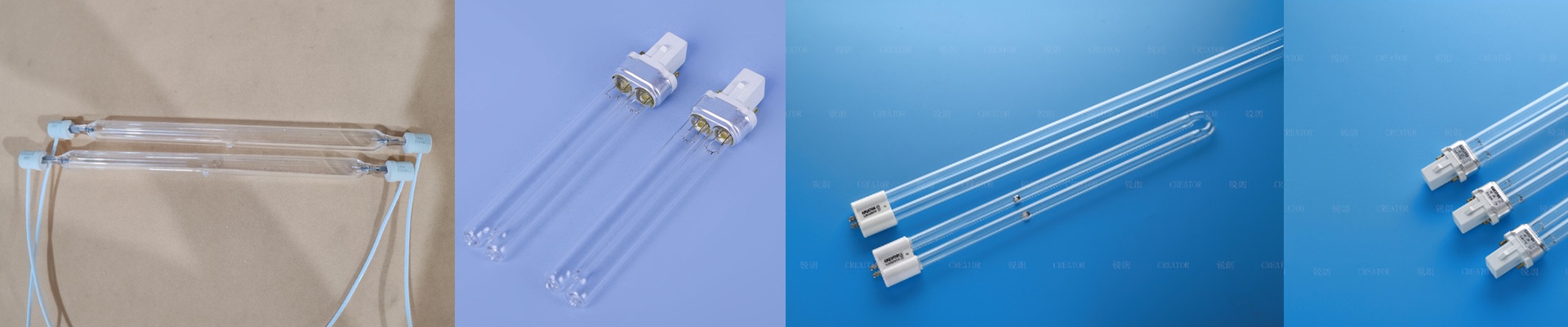
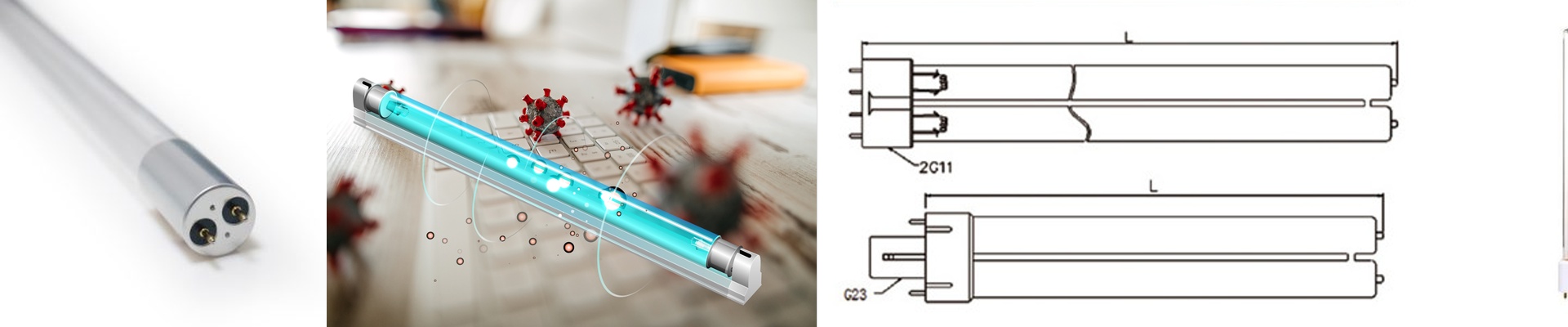
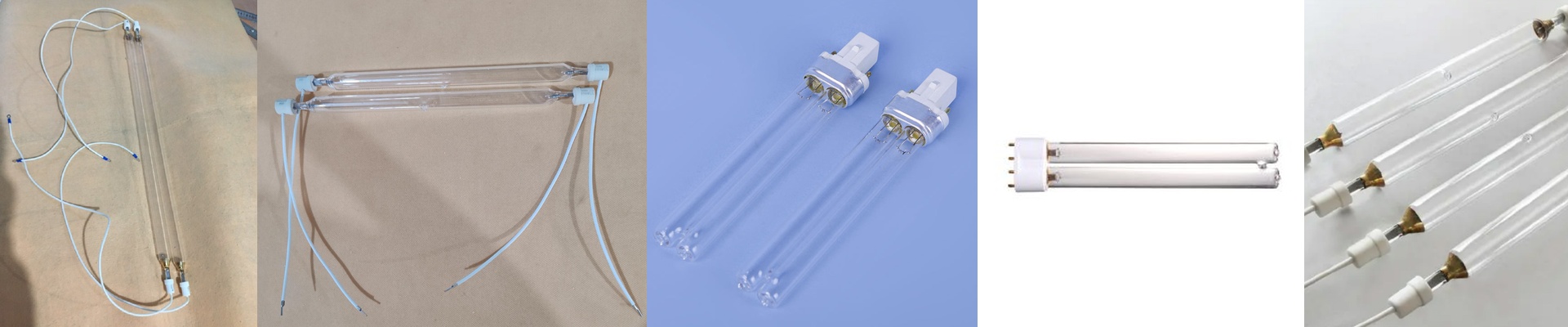
Most suppliers just ship you a box of parts and wish you luck. We do things differently. Think of us more as your technical partners. We want to help you dial in your UV lines so your prints actually stick and your line speeds can finally pick up. When it comes to custom UV lamps from China, it’s not just about picking a wattage from a catalog. It’s about making sure the light coming out of the lamp actually talks to the chemicals in your ink.
Speed, Power, and Heat
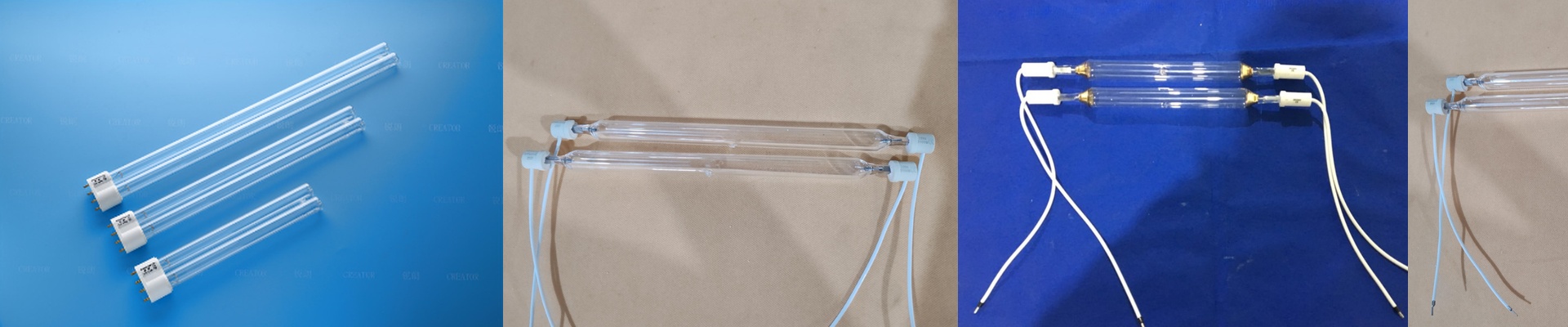
Here is the thing: voltage, wattage, and the length of your lamp all work together to decide how much “punch” your light has. If you’re running a high-speed press, you need a lot of heat density. The ink needs to cure now, before the substrate has a chance to move past the lamp. We build lamps to fit your exact footprint. If we put more wattage into a shorter tube, you get more energy in a smaller space. Just a heads-up, though—more power means more heat. You’ll want to make sure your power supplies and cooling fans can keep up, otherwise, you’re just burning through bulbs.
Tuning the Light
We don’t believe in a one-size-fits-all lamp. Depending on whether you’re curing a thin surface coating or a thick, deep adhesive, we tweak the gas fill and the grade of quartz we use. Most people use shortwave UV for the surface, but some inks need a specific wavelength to soak through thicker layers. Plus, we can play around with the electrodes and reflectors to focus the beam. It stops energy from leaking everywhere, which saves you money on your electric bill.
Making it Actually Work
Usually, just swapping out a bulb isn’t enough to fix a problem. We like to look at the whole tunnel. If your ink is “skinning” (dry on top, wet underneath) or your materials are warping, it’s almost always because the UV intensity and the conveyor speed are fighting each other. We help you find that sweet spot. We’ll give you the exact data you need to wire everything up and set the right dosing levels. It stops that “over-cured” feeling where your prints become brittle and start cracking the moment you touch them.