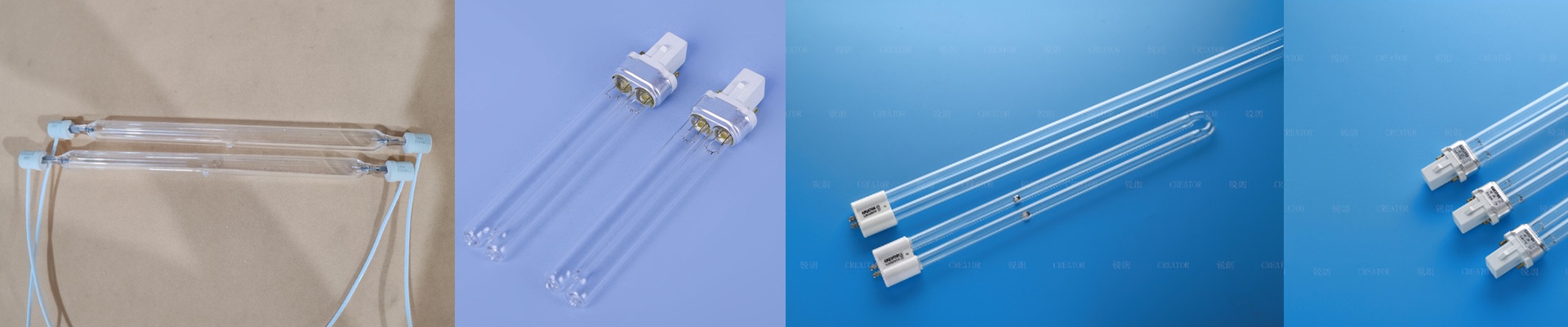
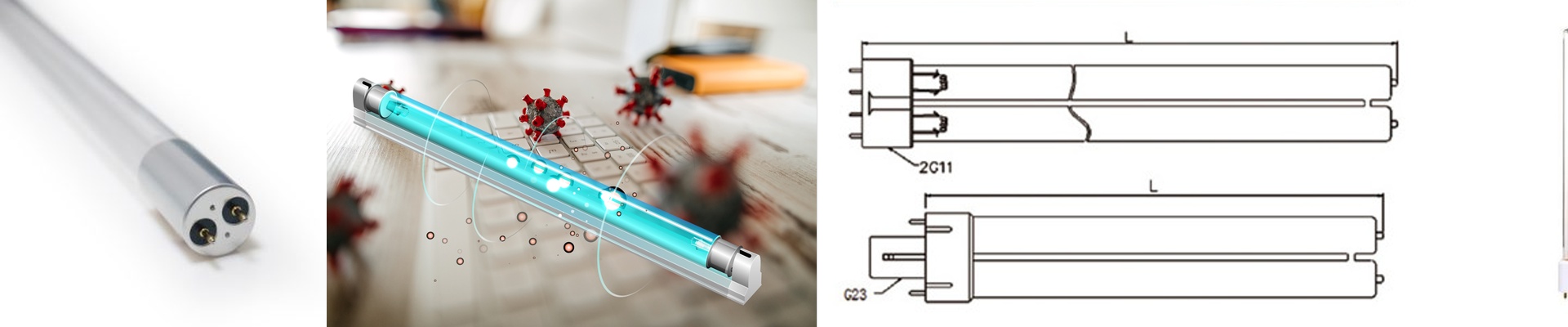
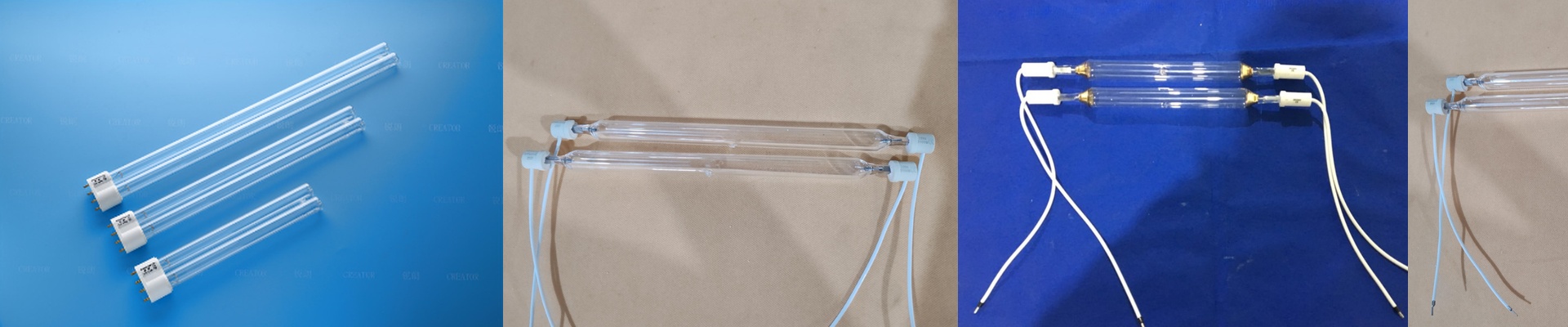
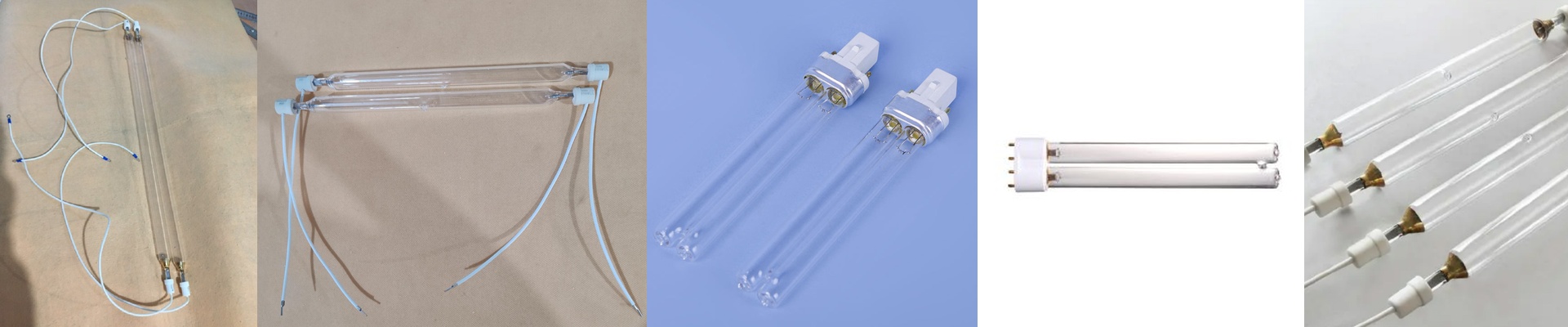
Stop Chasing Wattage. Start Chasing Precision.
Most UV lamp suppliers will try to sell you on total wattage. They treat it like a horsepower race. But here’s the thing: raw power isn’t what actually gets the job done. It’s all about where that energy is actually going. Our R&D team spent a lot of time recently obsessing over a 0.5% increase in spectral energy concentration. Now, 0.5% sounds tiny. But in the real world, it means the photons are hitting your substrate at the exact wavelength needed for rapid cross-linking. It’s the difference between spraying a garden hose at a wall and using a pressure washer.
The nitty-gritty of the physics
To get this kind of concentration, we had to get aggressive with the electrode geometry and the gas mix inside the quartz. We moved the electrodes around to kill those “dark zones” at the ends of the lamp. By tightening up the discharge arc, we forced more energy into the target UV band. What does that mean for you? Less energy is wasted as useless infrared heat. If you’re running a high-speed curing line, that tiny 0.5% shift lets you speed up your conveyor. You get your product out the door faster.
The heat trade-off
We use high-purity synthetic quartz because standard glass just blocks the UV. Synthetic quartz lets it fly right through. But there’s a catch. When you concentrate energy this tightly, the lamp surface gets hot.Really hot. You’ll feel it. You can see it. Because of that, you need to make sure your cooling fans or water-jackets can actually keep up. If your cooling is an afterthought, the quartz will stress and your lamp life will tank. Don’t skimp on the cooling.
Getting it onto your floor
We didn’t want you to have to rip out your wiring or rebuild your racks just to upgrade your light. These are drop-in replacements. The footprint is the same, but the output is way more aggressive. It’s like swapping a floodlight for a laser. If you’re dealing with thin-film coatings or high-precision electronics, this is the kind of precision that actually matters.