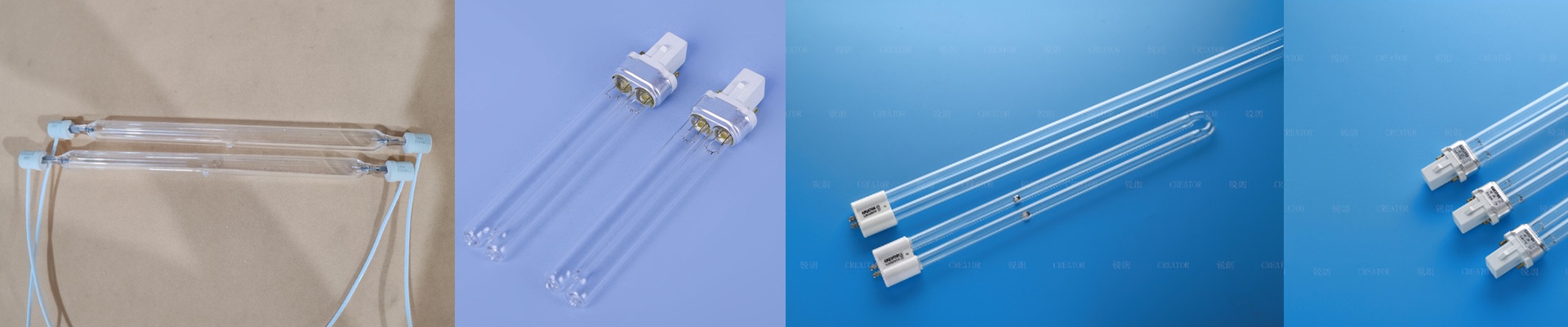
Why Gallium Iodide UV Lamps Actually Work on the Shop Floor
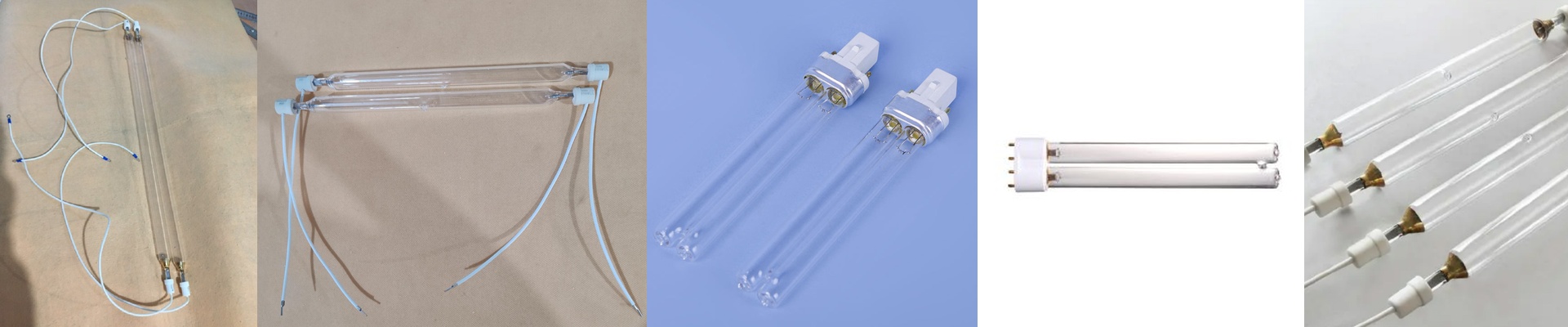
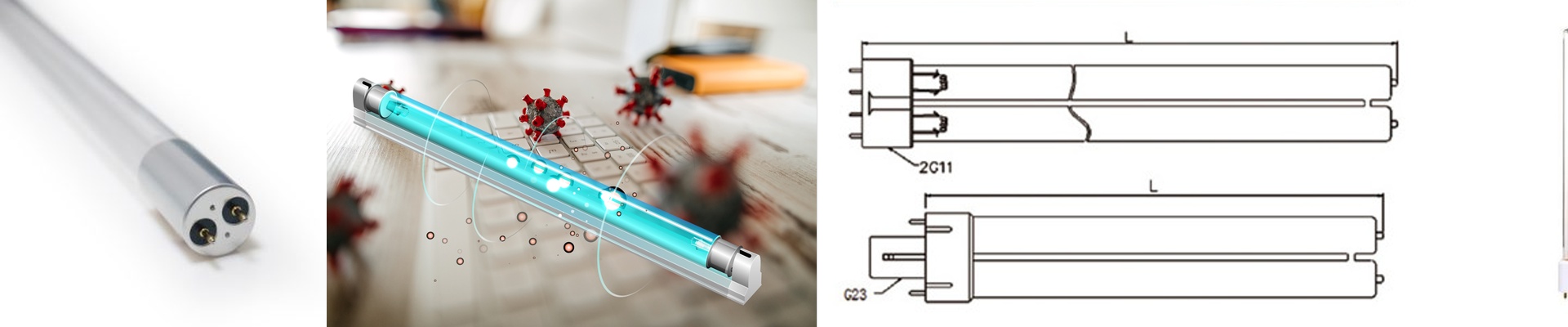
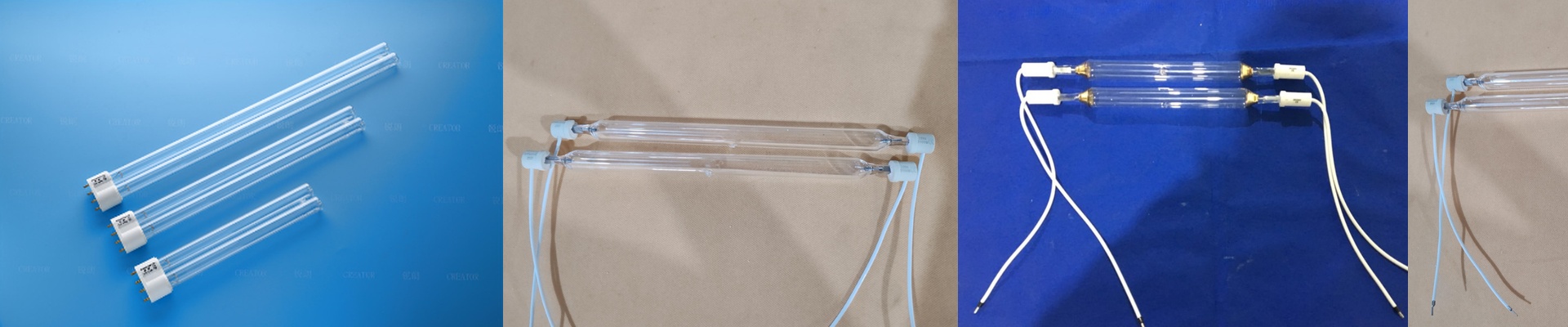
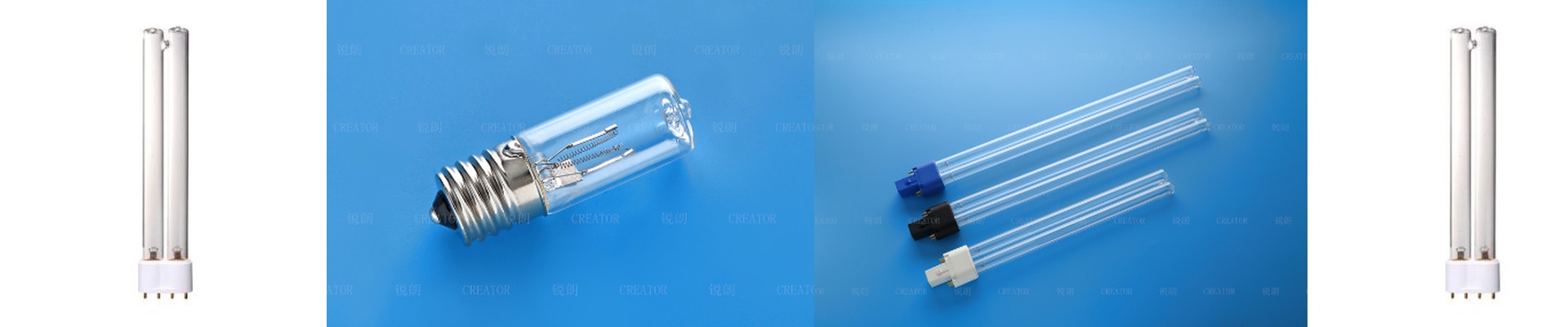
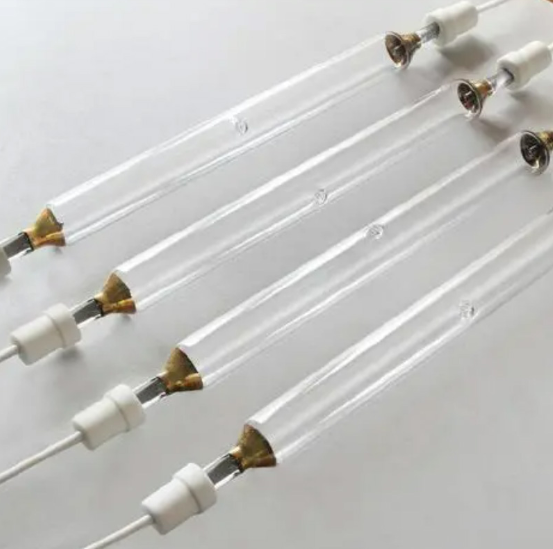
I’ve spent a lot of time in printing plants—about 3,000 of them, to be exact. And I noticed something frustrating. There’s this huge gap between what the lab says a UV lamp can do and what actually happens when it hits the shop floor. Standard mercury lamps are fine for basic jobs. But the moment you try to cure a thick layer of ink or a specialized coating on a non-porous surface? They struggle. That’s why we leaned into Gallium Iodide (GaI). Here’s the deal: GaI lamps shift the light toward longer wavelengths. In plain English, the UV light actually digs deeper into the ink instead of just bouncing off the top. The “Skinning” Problem If you only cure the surface, you get what I call the “skin effect.” The top looks dry, but underneath it’s still wet. The result? The ink just peels right off the substrate. It’s a nightmare. We tune our GaI lamps to hit that 300nm to 450nm range. This creates a “bottom-up” cure. Even those heavy, high-pigment white inks—the kind that usually act like a shield and block UV rays—get fully cured all the way through. Heat and Hardware Now, there is a catch. These lamps put out a lot of power, and that means they get hot. Really hot. We use a specific quartz envelope so the glass doesn’t crack when the temperature swings. But you can’t just plug these into any old ballast and hope for the best. You need a precise power supply, or you’ll burn out the electrodes way too fast. One more thing: if you’re switching from LEDs, be ready. GaI lamps run hotter. If your cooling blowers are weak, your substrate might warp before the ink even has a chance to set. Make sure your airflow is dialed in. Real-World Speed We built these for the high-speed lines where you only have a few milliseconds to get it right. By tweaking the lamp length and the wattage, we’ve pretty much killed off those annoying “wet spots” on the print. You just wire it up, set your conveyor speed, and let the GaI spectrum do the heavy lifting. It handles the chemistry of cross-linking the polymers so you don’t have to worry about it.