Getting Your UV Curing Right: A No-Nonsense Guide to Modular Systems
Let’s be honest: nobody cares about “photon energy” when they’re staring at a pile of tacky, half-dried ink on a deadline. You just want the ink to dry. Fast. And you want it to stay dry. That’s why we build our UV curing systems to be modular. Think of them as power tools for your production line. We aren’t just throwing light at a product; we’re hitting it with exactly enough punch to turn liquid ink into a solid shell in a fraction of a second.
Scaling Without the Headache
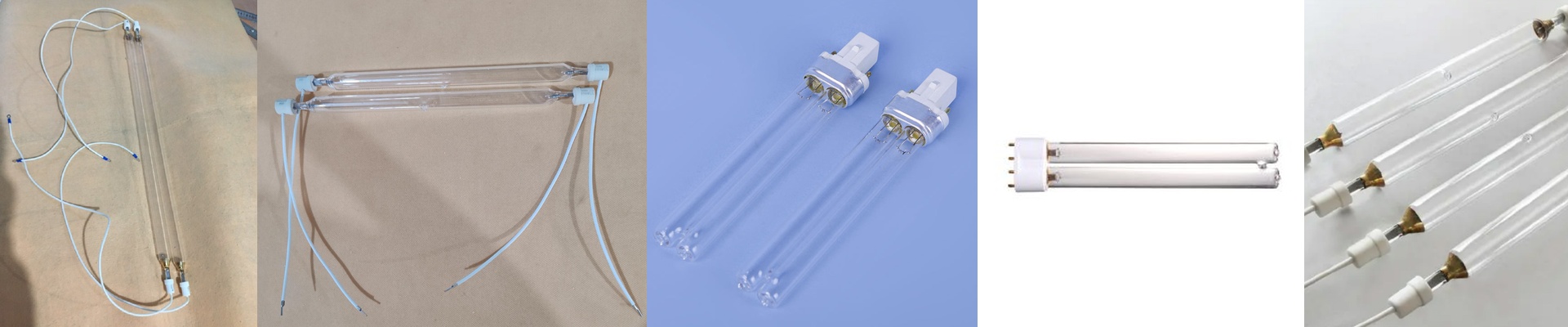
Here is the thing about line speed. When you crank up the conveyor to hit a quota, your ink spends less time under the lamp. If you don’t compensate, you get under-curing. You know the feeling—that annoying stickiness that ruins a whole batch. The beauty of a modular setup is that you can just add more wattage as you go. Whether you need high-pressure mercury-vapor or LED arrays, you just slide in more lamp modules. Need more power because the belt is flying? Add a module. Simple. We also obsess over voltage stability. If your power flickers, your cure fails. We make sure the electricity stays rock-solid so you don’t have to worry about random patches of wet ink.
Fighting the Heat
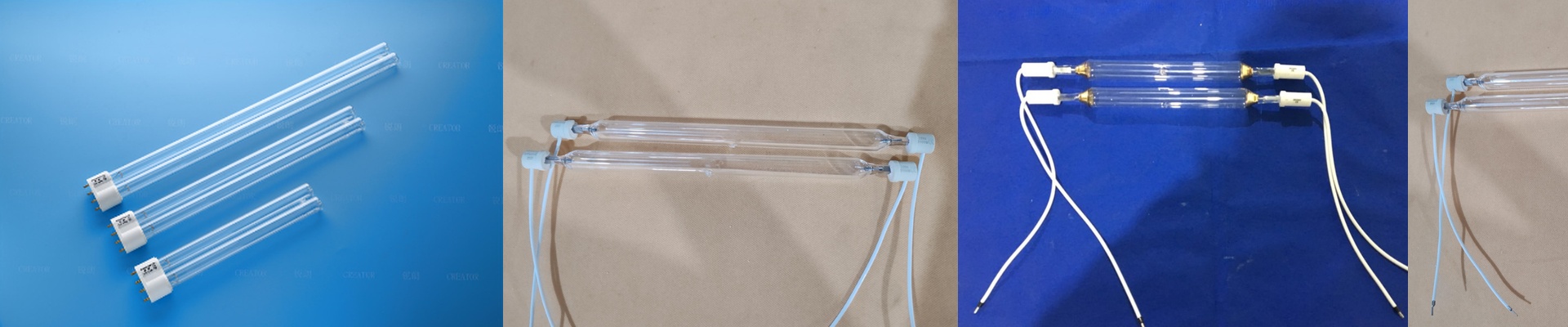
We house everything in reflective aluminum chambers. Why? Because every single bit of UV light should be hitting your product, not wasting away against a wall. Plus, the frame is designed to drop right into the spot where your old, clunky fixed systems used to live. But there’s a catch: UV lamps get hot. Really hot. If you don’t manage that heat, you’ll warp your PET or melt your plastic film before the ink even has a chance to set. To stop that from happening, we use forced-air cooling or water-cooled jackets. It keeps the substrate cool while the ink gets blasted.
Real-World Shop Talk
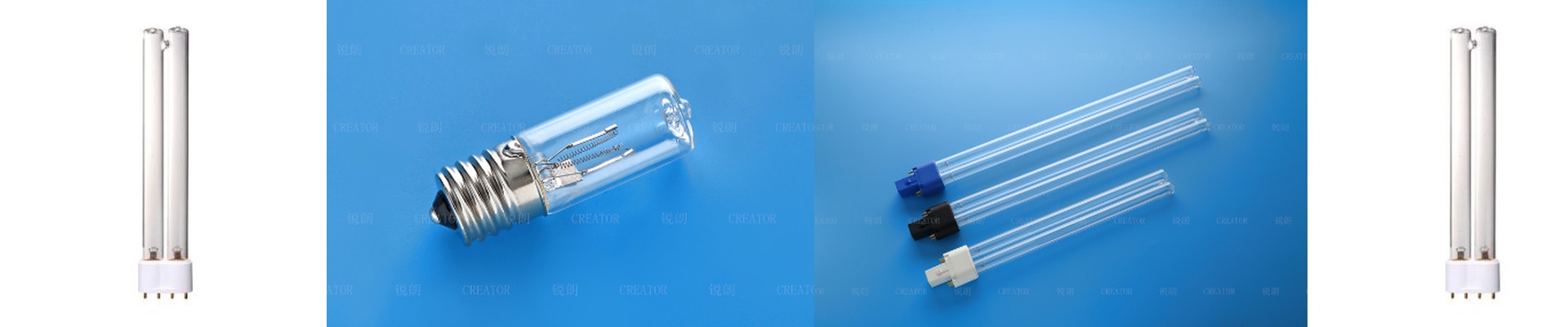
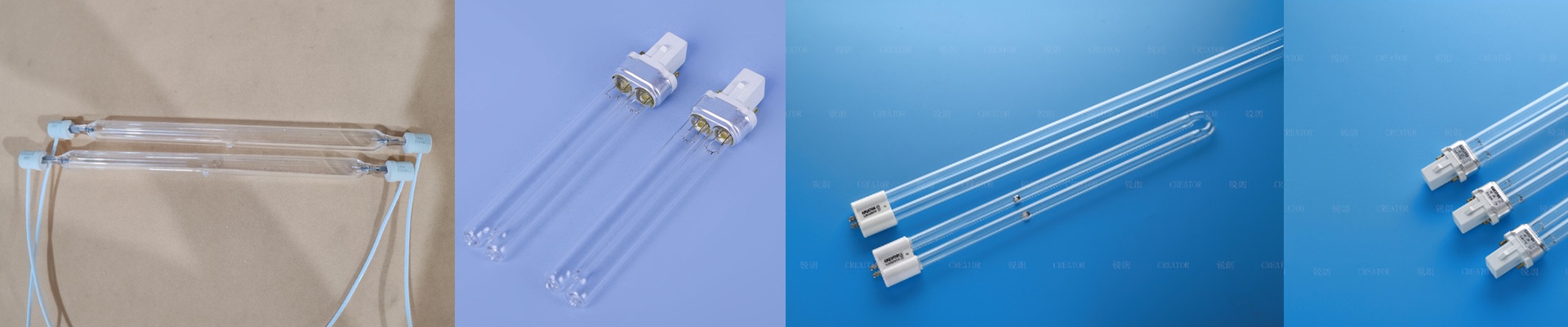
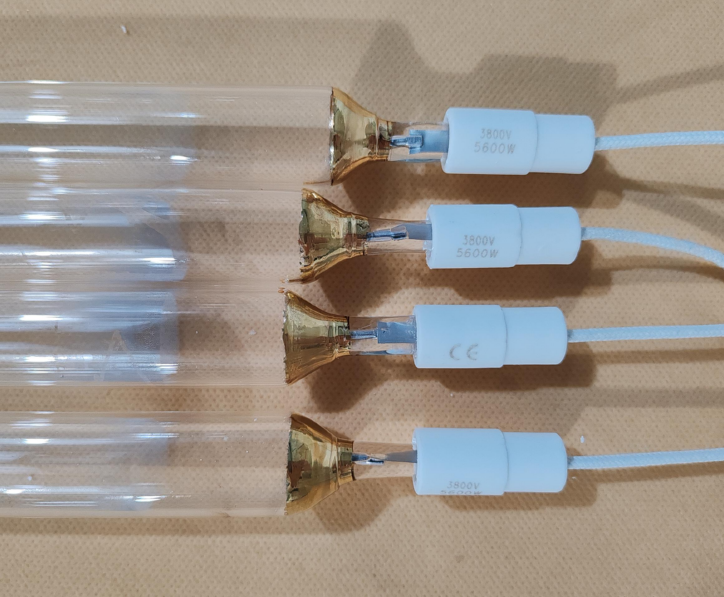
You can wire these units into one central control cabinet, which keeps the floor clean. And since the footprint is modular, you don’t have to tear apart your entire assembly line just to grow your capacity. You just pop in another lamp head, tweak the ballast settings, and you’re back in business. Now, these things take a beating. Print shops are loud, dirty, and run 24/7. We use reinforced connectors and quartz glass because thermal cycling—the constant heating and cooling—will chew through cheap materials. Just a heads-up: quartz tubes don’t last forever. They fade. Keep an eye on your lamp hours and swap them out before your output dips. It’s a lot easier to change a bulb on a Tuesday than to deal with a failed quality check on a Friday.