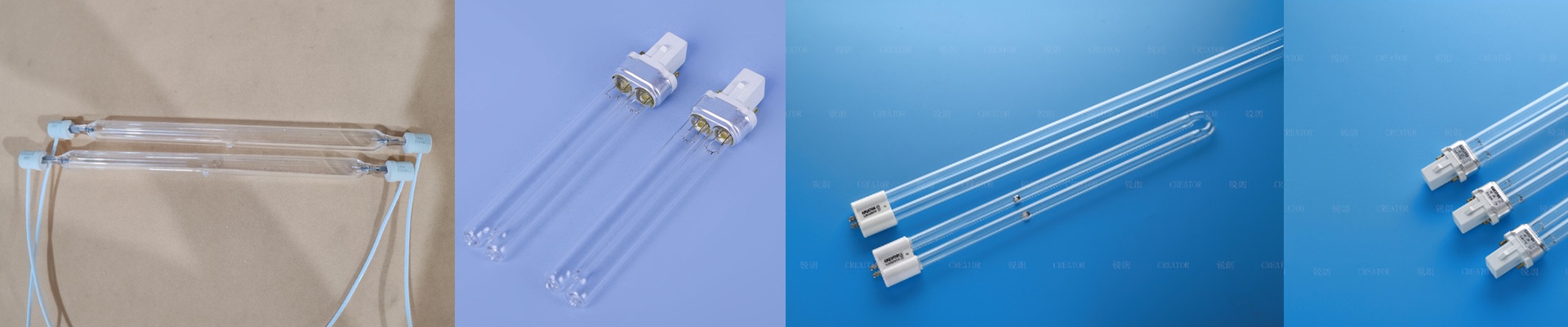
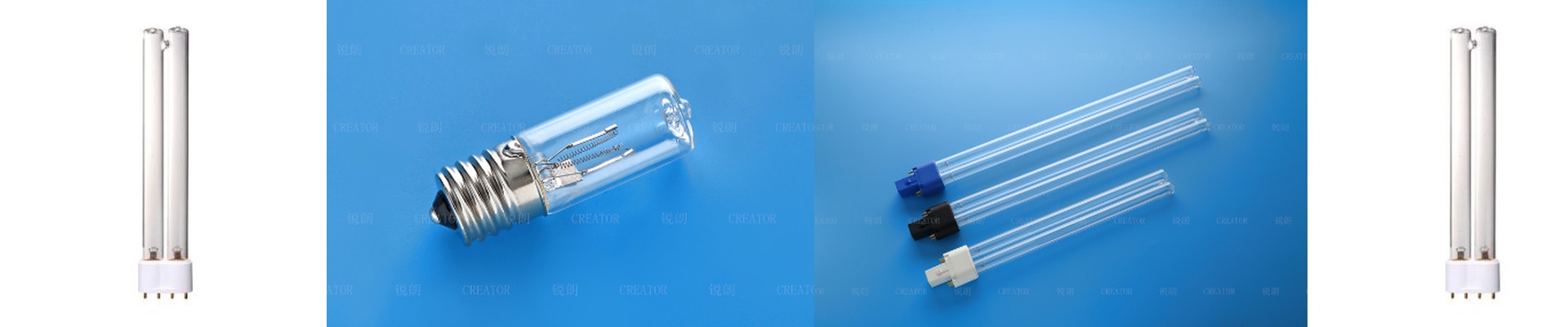
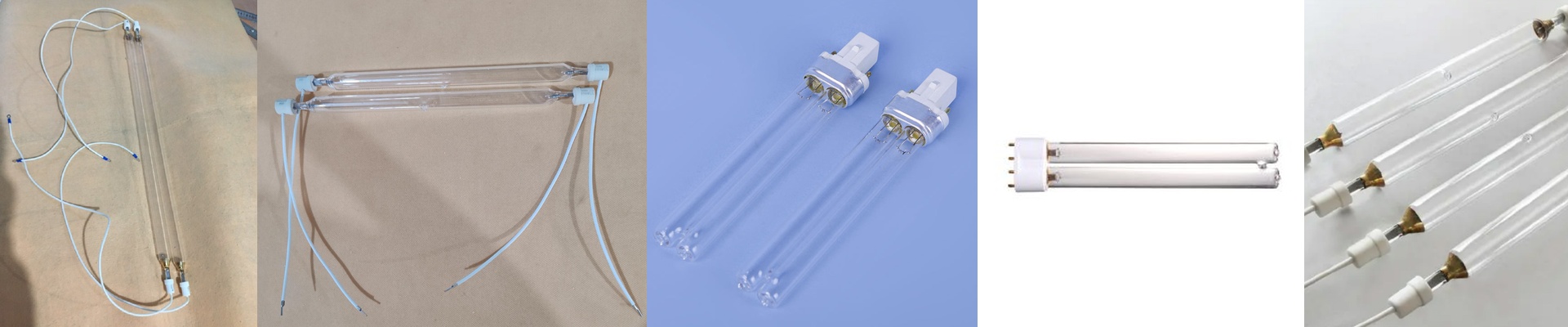
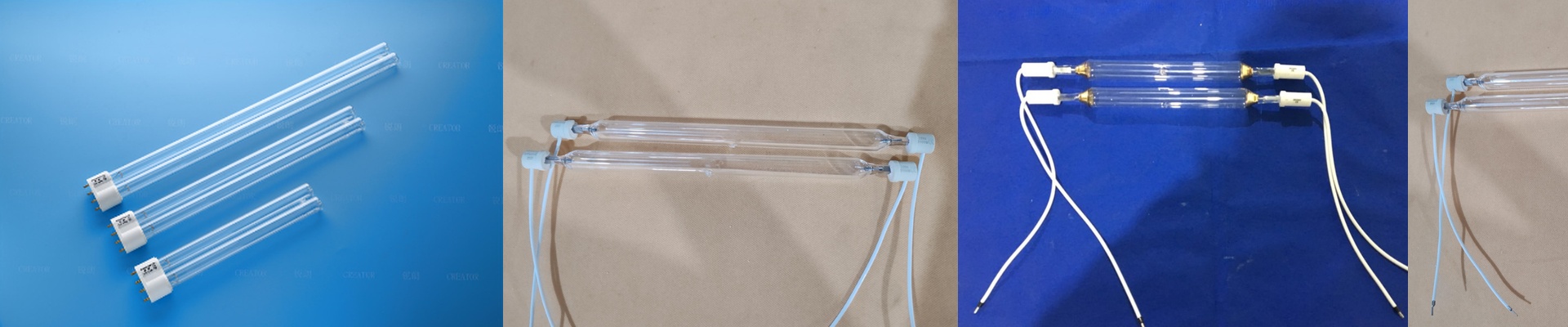
15 Years of Making UV Lamps That Actually Work
We spent 15 years behind the scenes as an OEM supplier before we finally decided to put our own name on the box. If you look at most UV lamps on the market, they all look identical. Same glass, same pins. But the real story is what happens inside after a few thousand hours of hard use. That’s where things usually fall apart.
The Heat and the Light
Getting a lamp to hit a certain wattage is the easy part. The hard part? Keeping that output steady without frying the electrodes. We’re pretty obsessive about the gas mixture and the quartz we use. Cheap quartz is a nightmare because impurities leak in and kill the UV transmission. We stick to high-purity fused quartz. It ensures the UV-C and UV-B wavelengths actually hit your target instead of getting soaked up by the glass itself. And let’s be honest: high-wattage tubes gethot. Like, really hot. If your cooling isn’t up to the task, the lamp is going to overheat. You’ll see the ends of the tube start to darken, and then it just dies. It all comes down to finding that sweet spot between power density and airflow.
The Little Things That Break
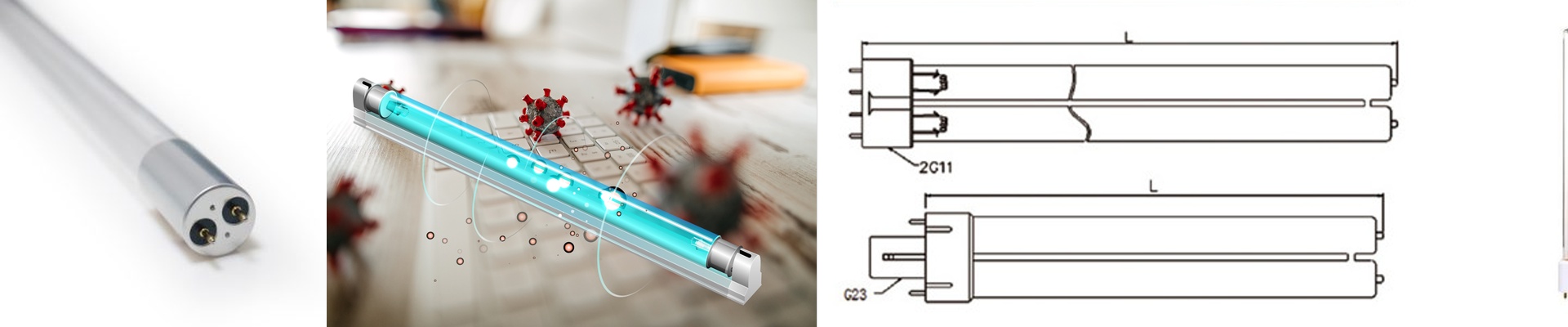
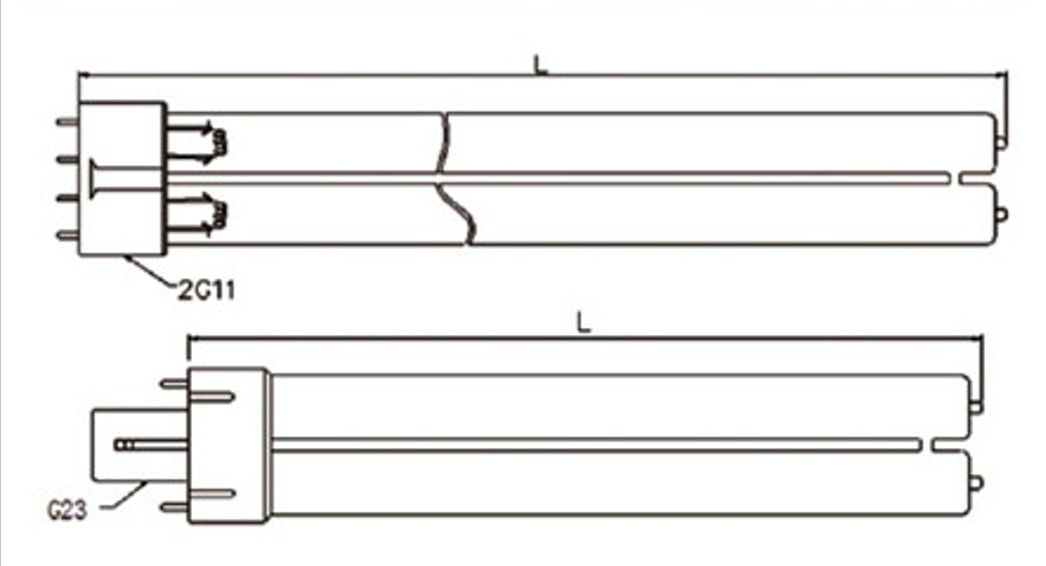
Our lamps are designed to be drop-in replacements for the big international brands. That means the length and pin alignment have to be spot on. I’ve seen way too many lamps fail simply because of a loose connector or a sloppy solder joint that arcs under high voltage. It’s frustrating. We spend a lot of time focusing on the seal between the electrode and the quartz. If there’s even a microscopic leak, oxygen gets in and the lamp is toast. Period.
Real World Talk
These things are workhorses. Whether you’re curing PET, drying ink, or sterilizing equipment, they’re taking a beating in a loud, dirty factory environment. I won’t tell you they last forever. They don’t. Every lamp has a limit based on how many times you flip the switch. If you want to squeeze every last hour out of them, just make sure they’re wired to a stable power supply. voltage spikes are silent killers for filaments, and avoiding them is the easiest way to keep your line running.