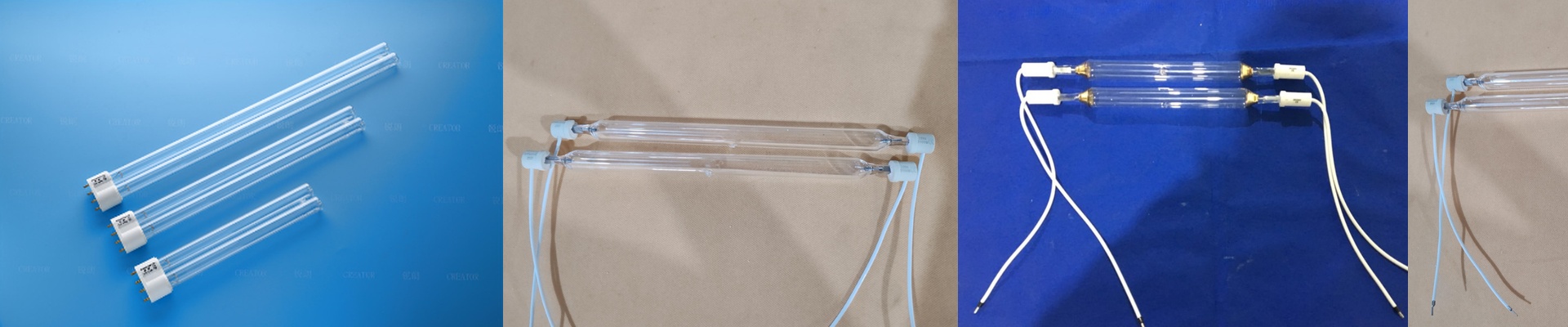
Making UV Lamps That Actually Last (And Don’t Trash the Planet)
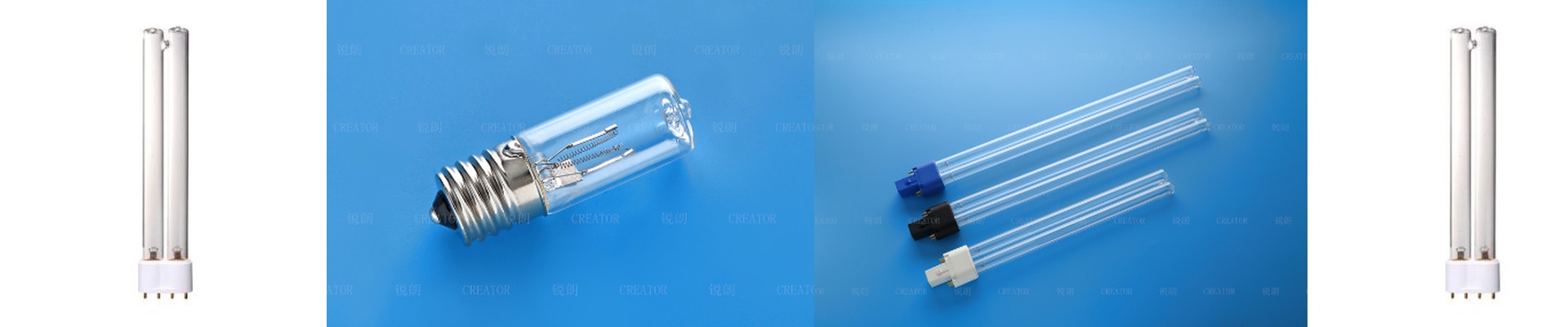
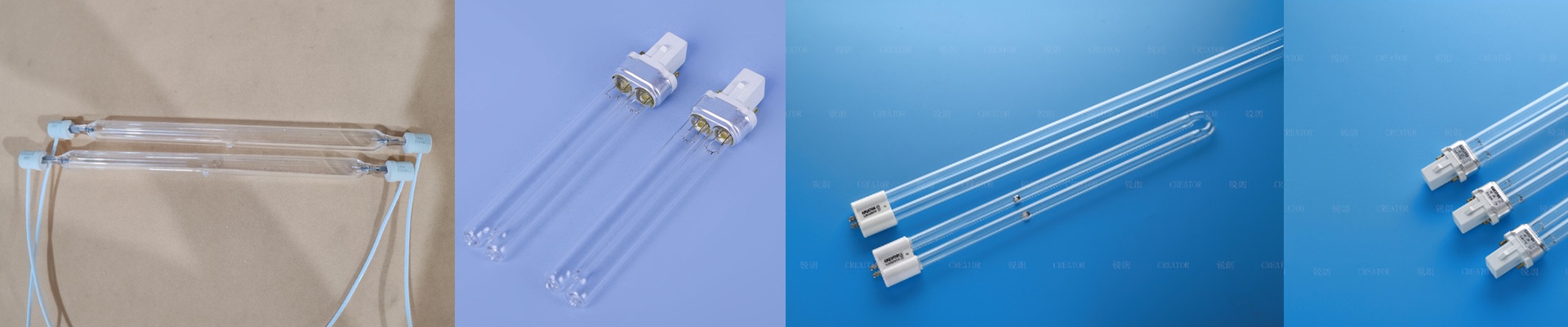
We’re doing things a bit differently with our custom UV lamps here in China. The goal is pretty straightforward: we want to get as close to zero pollution as possible. For us, that means cutting out the nasty stuff and making sure these tubes don’t end up in a landfill every few months.
The stuff inside the glass
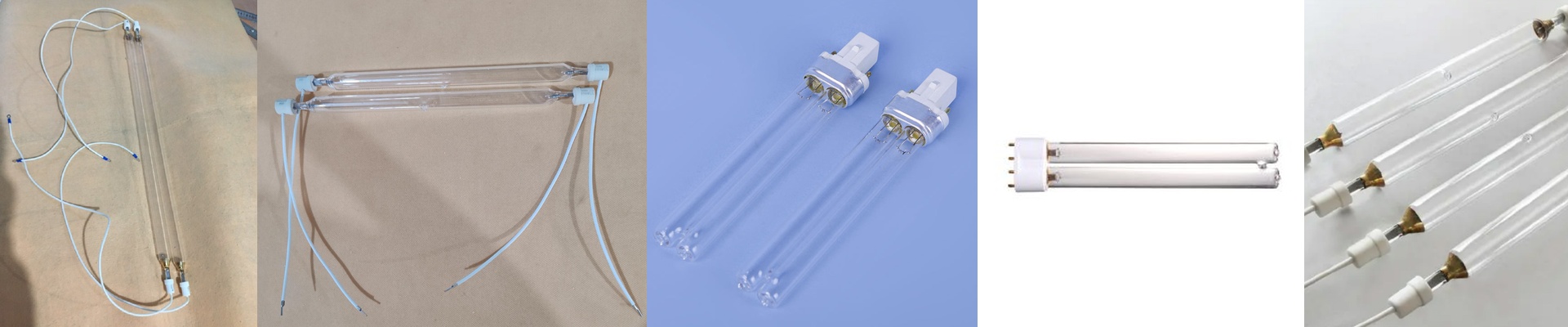
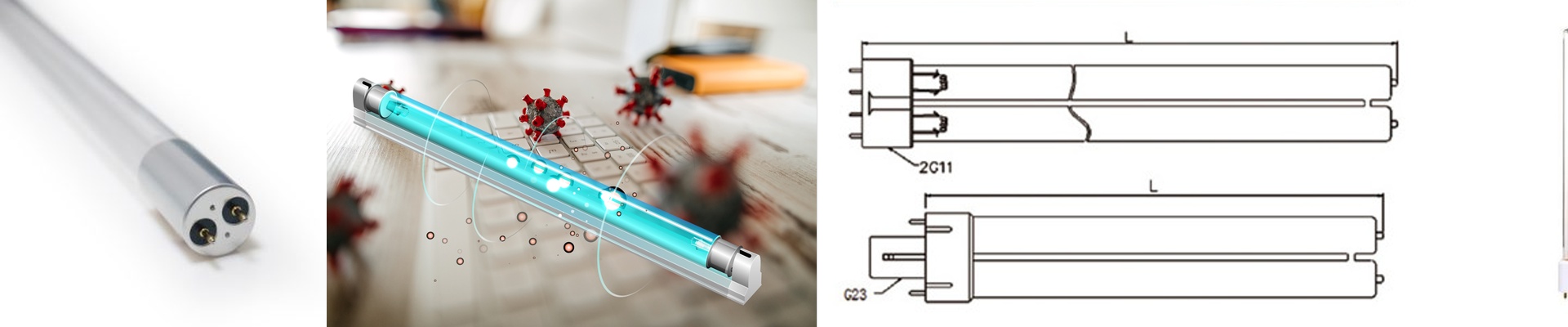
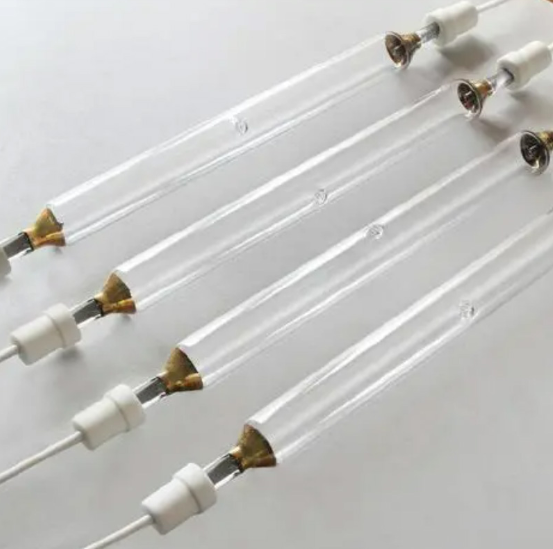
Most UV lamps are a pain to get rid of because of the materials used to build them. We decided to ditch those hazardous components. Instead, we’re using high-purity synthetic quartz and cleaner electrodes. Why bother? Because impurities make the glass degrade. By keeping it pure, the UV output stays steady. It doesn’t just dip off after a while. And here is a little secret: “long-life” isn’t about some fancy coating. It’s all about how the glass and metal seal together under heat. We use refined alloys that don’t “sputter” or flake off. When the electrodes stay clean, the lamp doesn’t turn black. You just get more hours of light before the tube finally gives up.
The catch
There is a trade-off, though. To get a lamp that lasts 10,000+ hours, you can’t rush the process. We have to be incredibly precise with the vacuum and the gas fill. The degassing phase takes time. If we try to speed it up, the quality drops. We’d rather take the slow road and give you a lamp that actually works.
Getting them to work for you
The best part? These are drop-in replacements. You don’t need to rip out your entire machine or overhaul your housings. They just fit. One quick heads-up, though. You’ve got to watch your ballast settings. It’s tempting to over-drive the lamp to get a bit more intensity, but don’t do it. If you push too much voltage, you’ll kill the lifespan we worked so hard to build. Stick to the spec sheet. Keep the voltage where it belongs, and your lamps will last as long as they’re supposed to—all while keeping things clean.