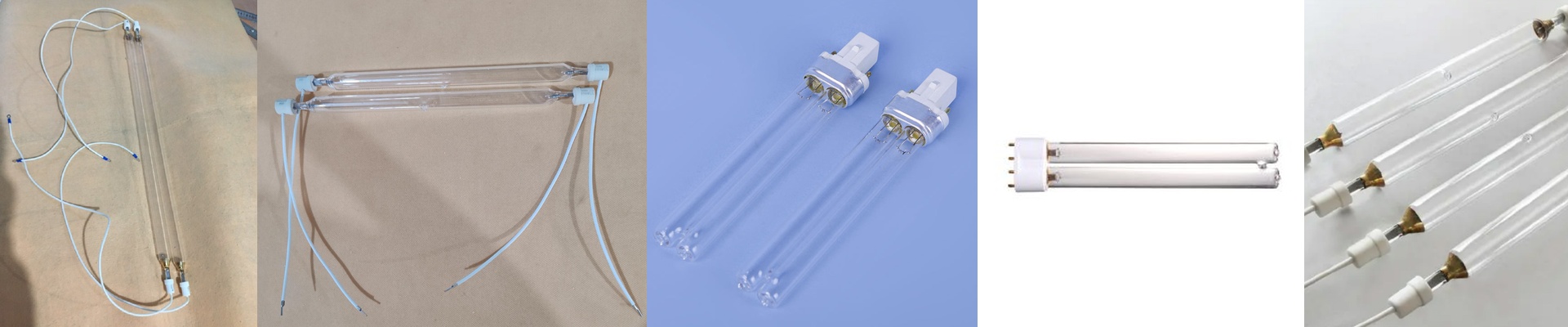
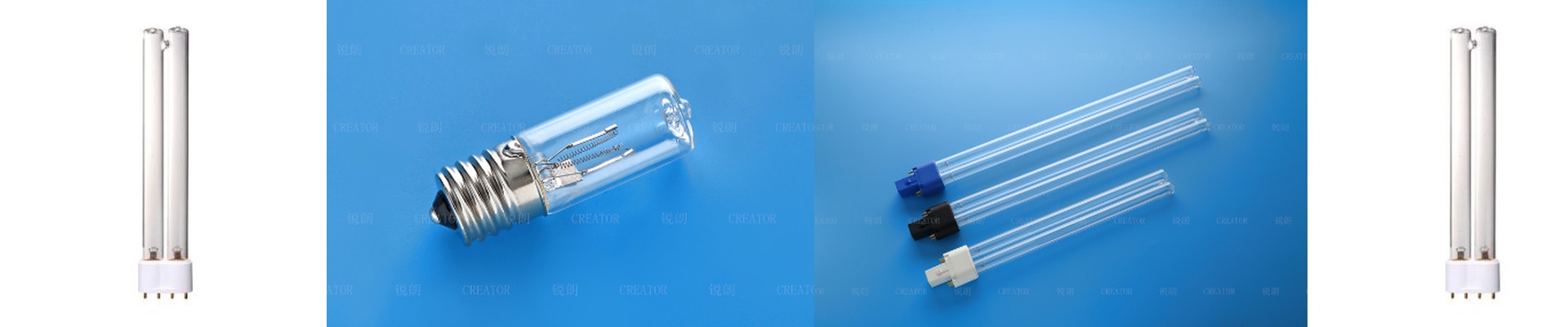
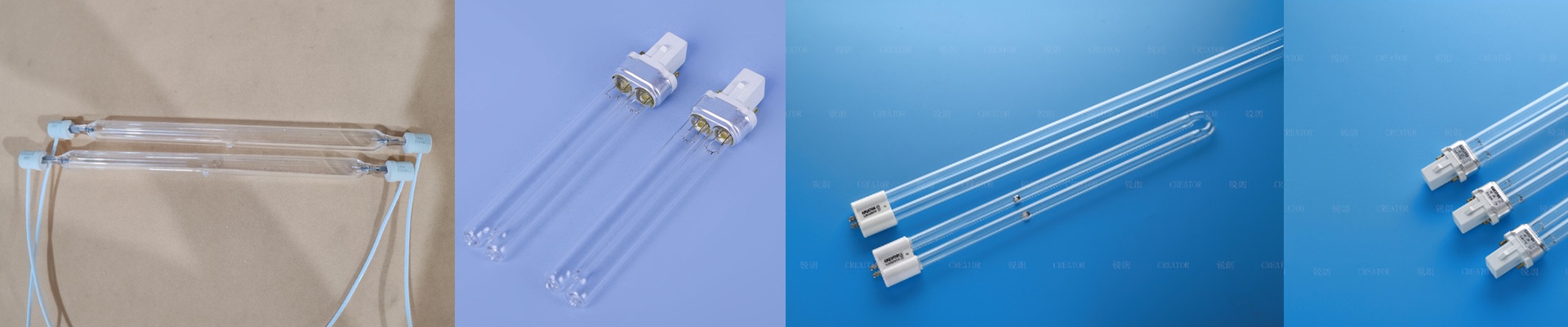
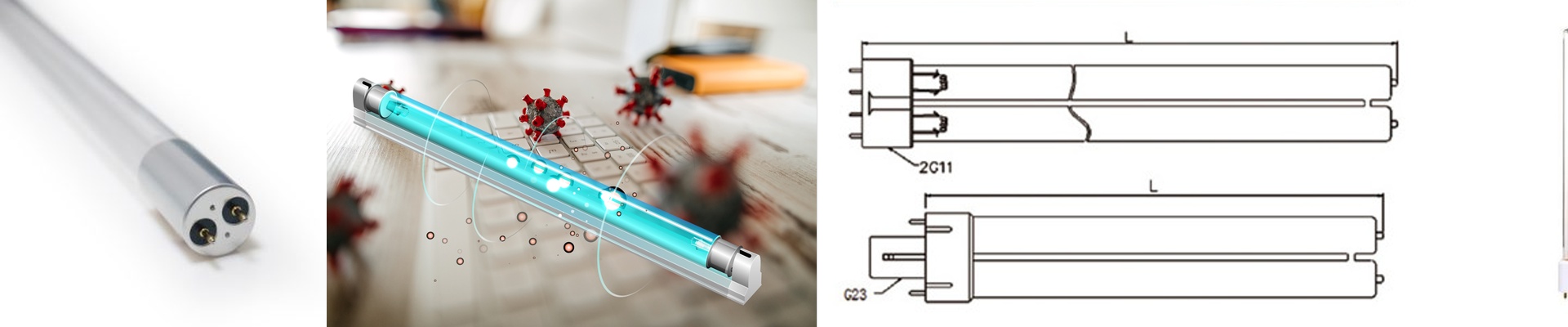
Stop Fighting With Your UV Curing: Why Gallium Iodide Actually Works
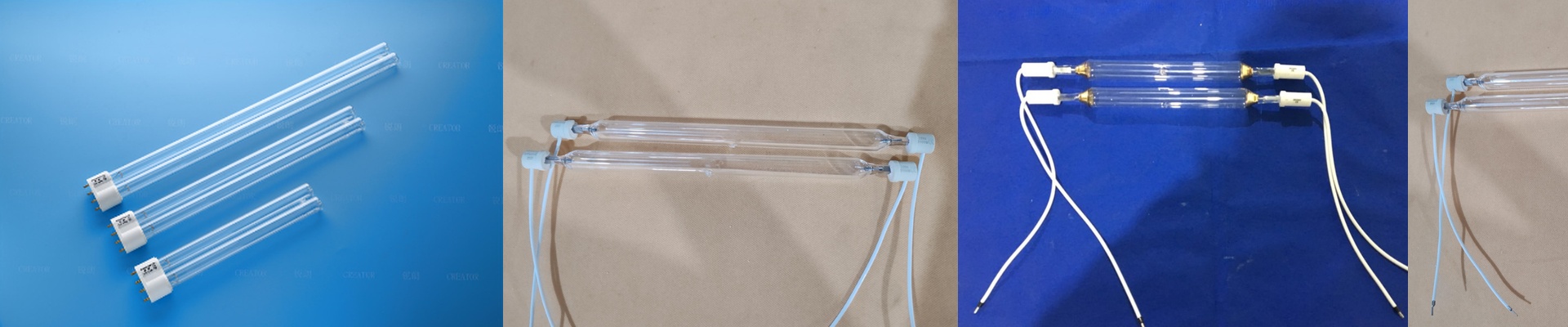
Ever had that frustrating moment where you pull a piece of work off the line and the top feels hard, but the bottom is still tacky? It’s a nightmare. You’ve got that “surface-skinning” effect where the ink looks done, but it’s basically raw underneath. That usually happens because standard mercury lamps are too “shallow.” They hit the surface hard and fast, but the energy gets used up before it can reach the bottom of a thick ink layer. That’s why we make Gallium iodide lamps. Think of it as a deeper dive. Instead of just hitting the surface, these lamps shift the light to a longer wavelength. This lets the UV energy actually soak through the ink and hit the substrate. You get a solid cure from top to bottom. No more peeling. No more tacky bases. A quick heads-up on the heat, though. These lamps are powerhouses, and they run hot. Really hot. If you’re planning to swap these into your setup, take a good look at your cooling. If your fans or water jackets are undersized, you’re going to stress the quartz envelope, and the lamp will burn out way sooner than it should. We use high-purity quartz to keep things stable, but physics is physics—you’ve got to keep them cool. Where this actually makes a difference We mostly see these in high-end screen printing or offset UV jobs. Because these lamps are tuned for specific photoinitiators, you can often crank up your line speed. You get more product out the door without worrying if the quality is slipping. If you’re seeing ink peel off non-porous surfaces, your current light is probably too short. It’s just not reaching the “handshake” between the ink and the material. Switching to Gallium iodide usually fixes that. In a lot of cases, it’s a simple drop-in replacement for your current housings—just double-check that your ballast can handle the voltage.