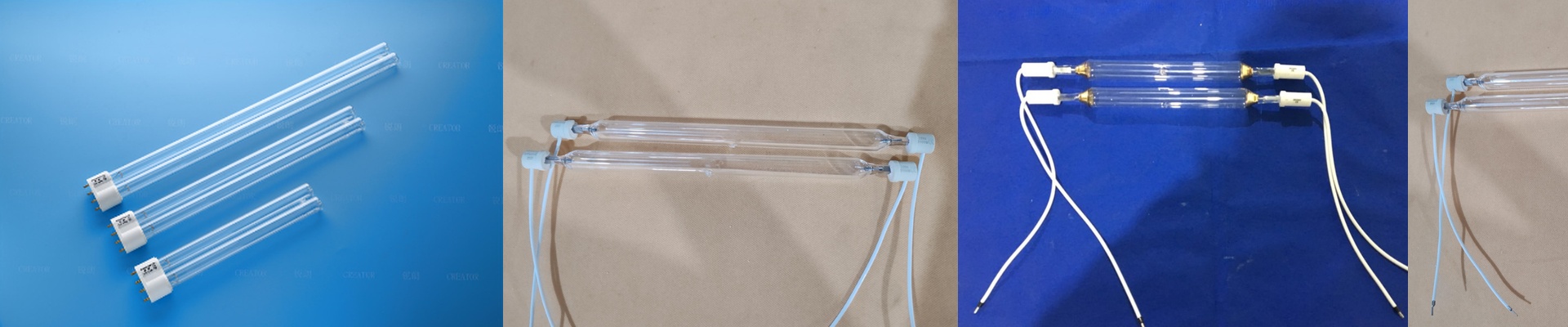
The Real Deal on Narrow-Band UV Engineering
We don’t just put together lamps. We’re basically managing photons. In our lab, it’s all about hitting those exact emission peaks. If you’re trying to kill pathogens with UV-C, you need to hit 253.7nm to actually break down the DNA. If you’re off by even 5nm? The whole system is basically a fancy nightlight. It just doesn’t work.
Picking the Right Quartz
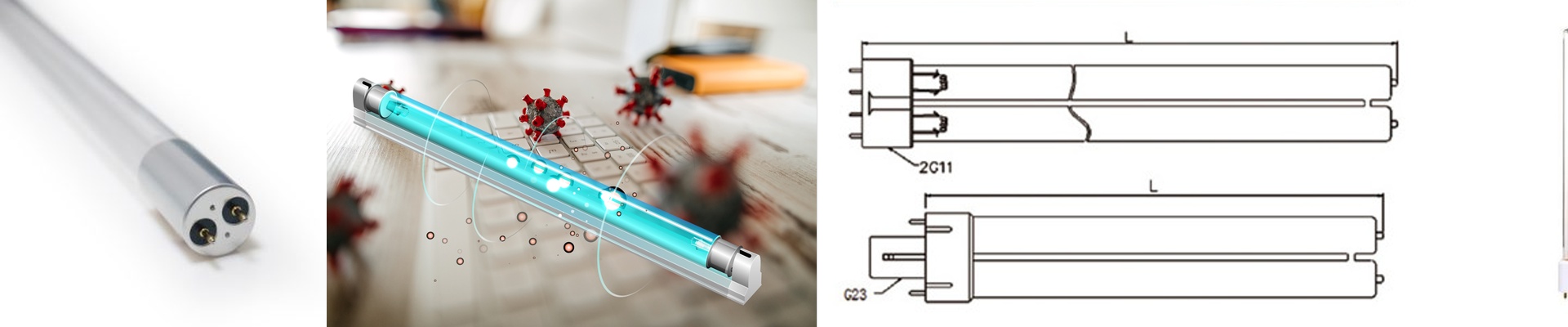
Here’s the thing about the glass: it’s not just a shell. We use high-purity synthetic quartz because standard glass is a wall—it blocks the UV. Our quartz lets that shortwave radiation fly right out of the tube. But there’s a catch. We have to pick the wall thickness based on how much pressure and heat the lamp is taking. Thinner walls mean more UV gets out. Great, right? But they can’t handle a lot of shaking. If your machine vibrates, a thin wall is asking for trouble. It’s a constant balancing act between raw power and making sure the thing doesn’t break.
Heat, Power, and the Trade-off
When you cram high wattage into a tiny tube, things get hot. Fast. We spend a lot of time on the electrode mix so the lamps don’t burn out prematurely. But if you try to push the intensity to speed up a curing line, the temperature spikes. That leads to “spectral drift,” where your wavelength starts to shift away from the target. That’s why we’re picky about cooling. If your airflow is sluggish, your lamp life is going to tank. Simple as that.
Getting it Into the Field
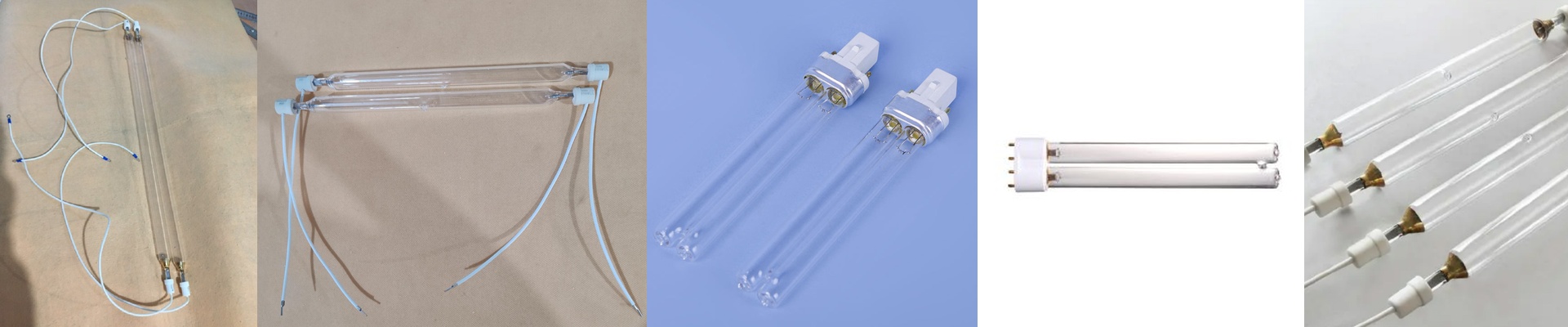
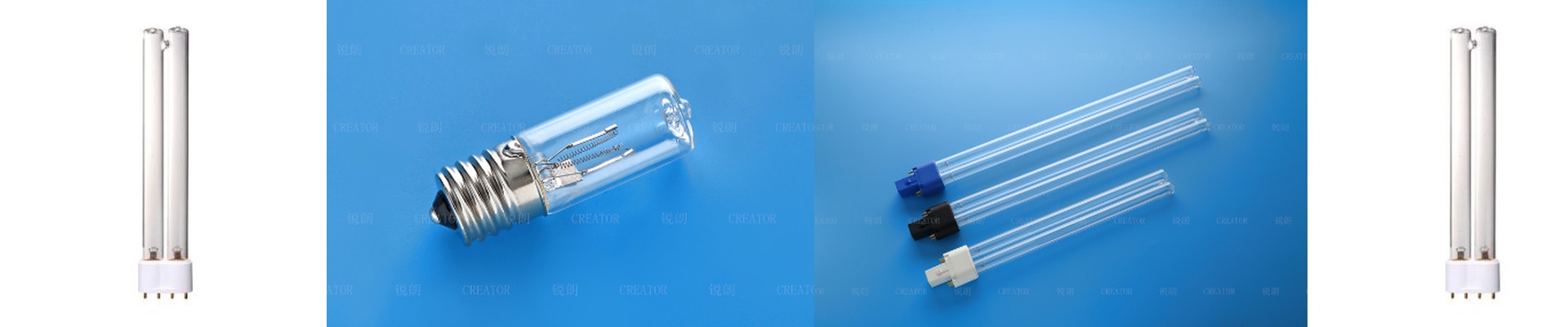
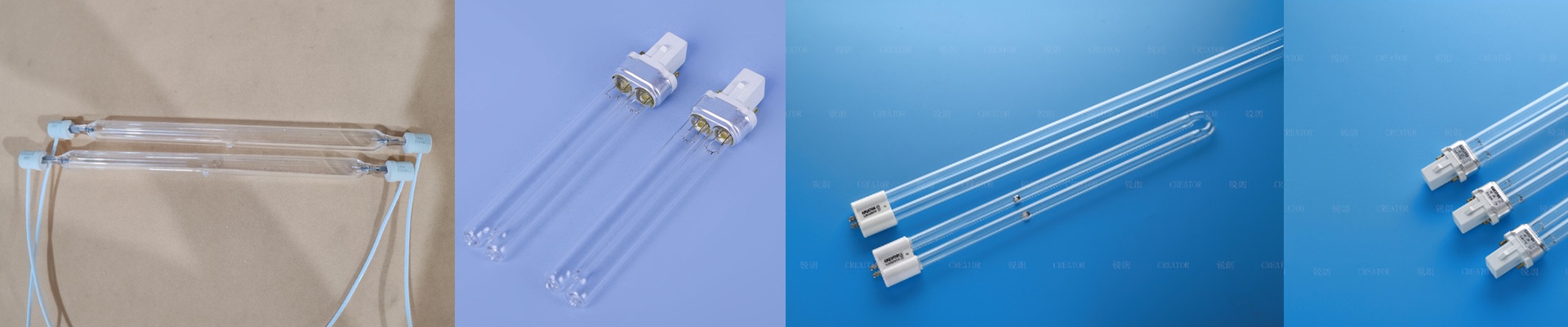
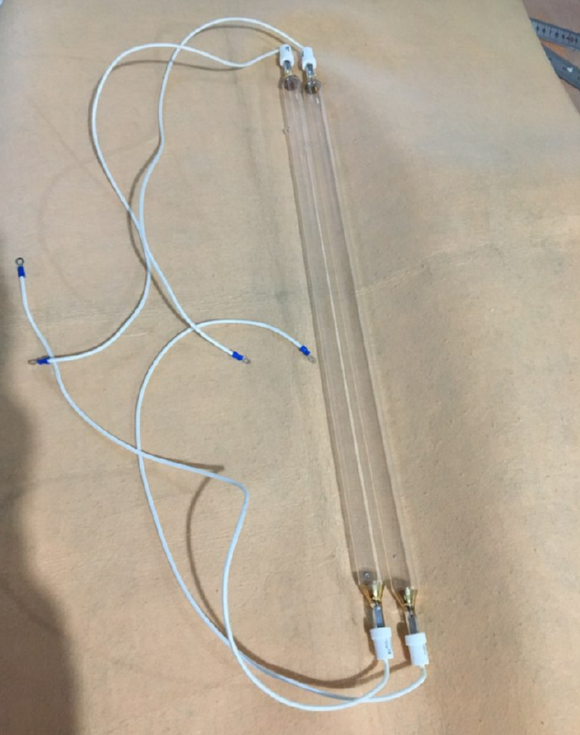
We build these to be drop-in replacements. Whether you’re setting up a sterilization chamber or a PET curing station, the connectors have to be solid. There’s nothing worse than hearing that snap and pop of electrical arcing because the current is too high. We also obsess over the end-caps. We want a perfect fit in the reflector. Why? Because a tiny 2mm gap can waste 10% of your energy. We build to the millimeter so you aren’t throwing money away on a power bill.