Why Your UV Lamp Choice Is More Than Just a Tech Spec
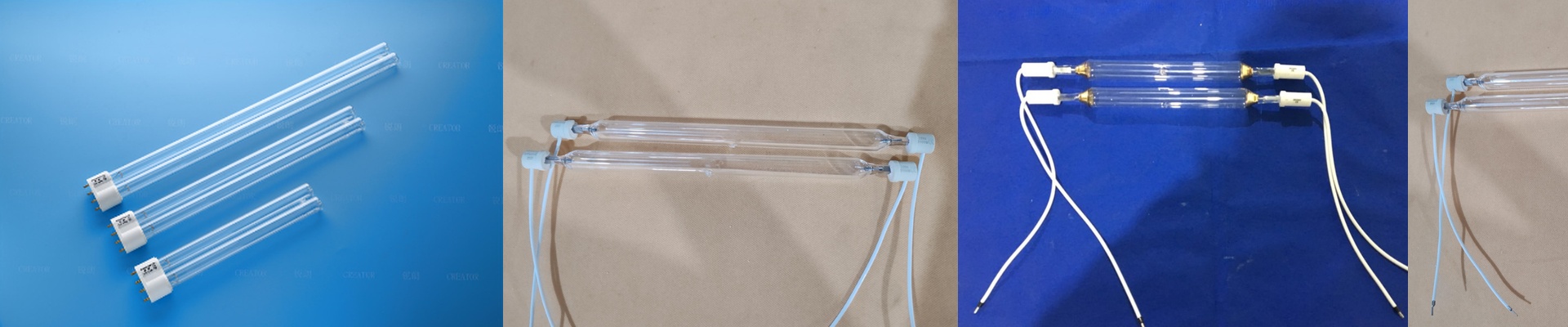
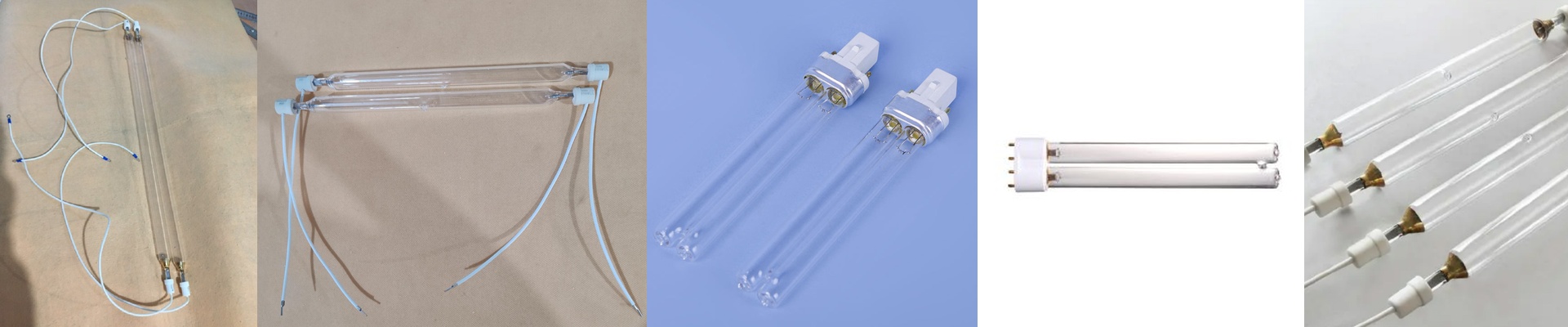
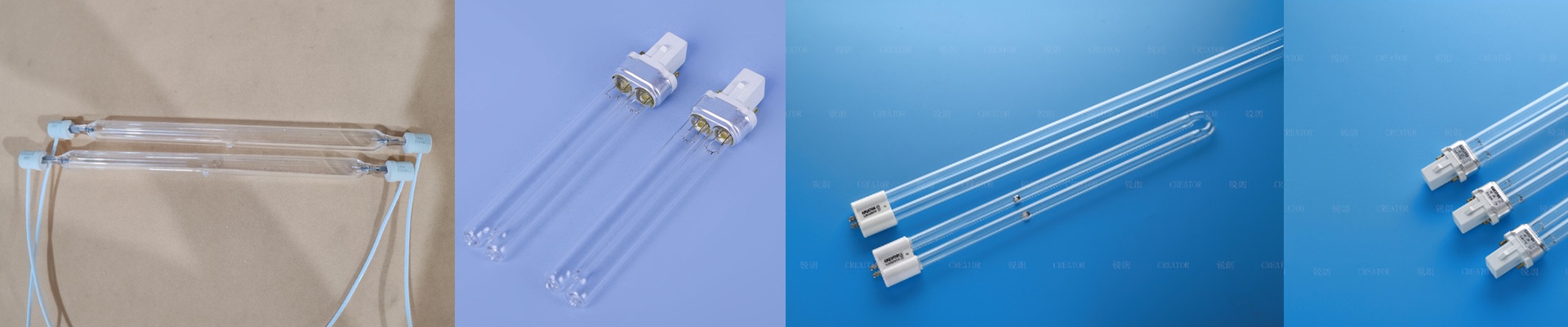
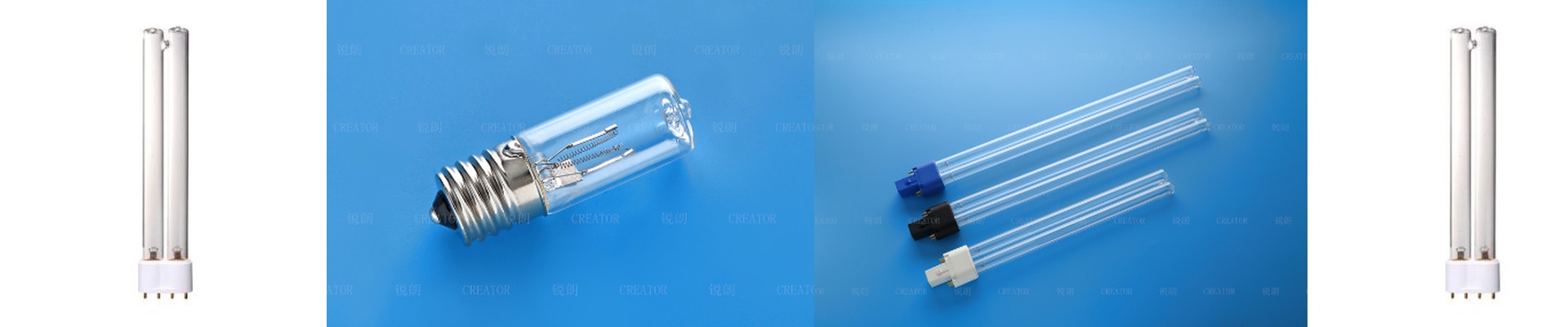
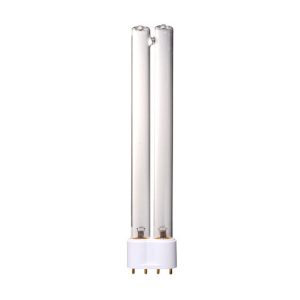
Mercury UV tubes are the quiet workhorses of the industrial world. They do the heavy lifting for drying and bonding, firing off specific spectral outputs that make resins and inks snap into place. But here’s the thing. If you’re sourcing these for a production line that crosses borders, the technical datasheet is only half the story. The real headache? The intellectual property. The way a lamp is actually built can be the difference between your shipment gliding through customs or getting seized and held hostage by a lawyer.
Making Tubes That Actually Last
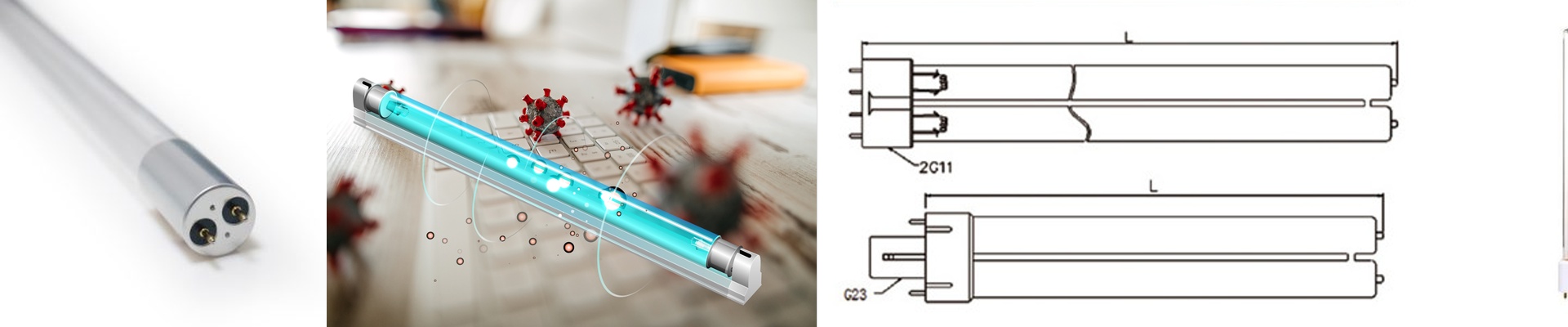
We use high-purity synthetic quartz because it stops the glass from “solarizing”—basically, it keeps the tube from clouding over and dying early. We also spend a lot of time obsessing over the mercury vapor pressure and the electrodes. Why? Because high-voltage arcs are brutal. If the chemistry is off, the electrodes burn out fast. When it’s done right, you get a rock-solid UV output for thousands of hours. Just a heads-up: your ballast has to be perfectly tuned to the tube’s impedance. If your power supply isn’t matched to the startup voltage, you’re basically killing your lamp before it even gets a chance to work.
The Legal Minefield
You’ll see plenty of “generic” tubes on the market. Most of them are just clones of patented designs. That’s a risky game. When you export machinery with cloned lamps, you’re opening yourself up to IP infringement claims the moment you hit the border. It’s a nightmare you don’t want. We do things differently. We hold our own patents on the tube geometry and how we fill the gas. When you plug our lamps in, you aren’t inheriting someone else’s legal baggage. They just fit, they work, and they keep you on the right side of international trade laws.
The Trade-off: Power vs. Heat
There’s always a catch. More UV intensity usually means more heat. Our designs push more photons into the curing zone, which is great for speed, but it puts a lot of thermal stress on your conveyor system. Before you switch, double-check your cooling fans or water-jackets. If they can’t handle the extra heat, you might find your substrates warping, and that’s a problem no amount of UV light can fix.