Stopping the Curing Bottleneck: How We Actually Build UV Modules That Work
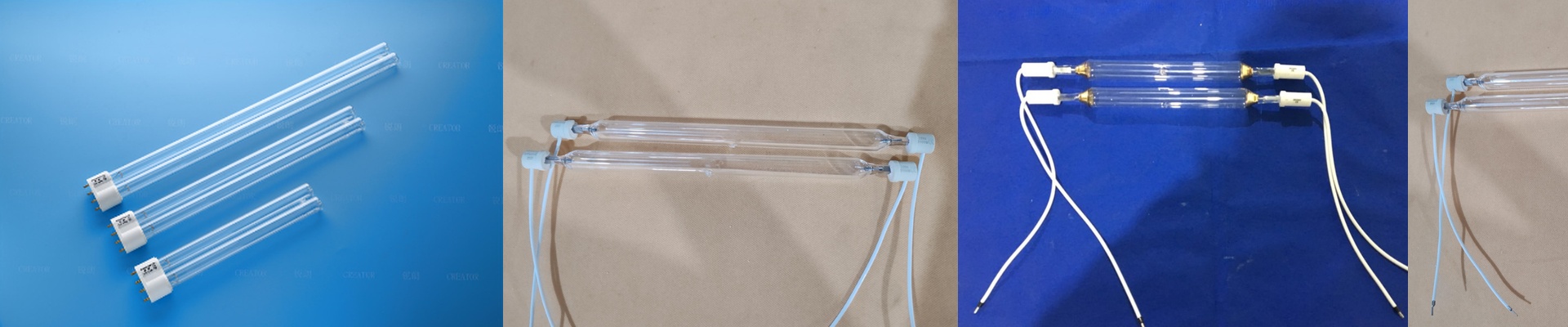
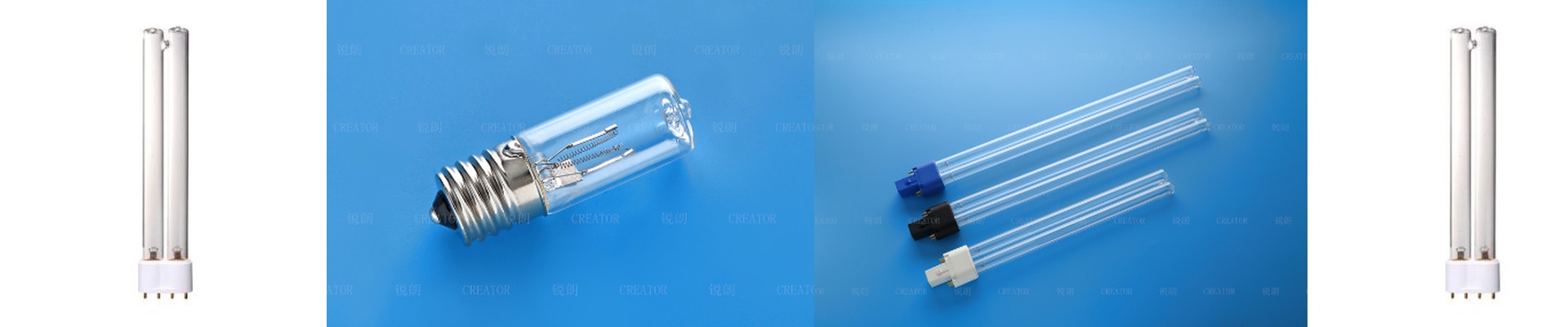
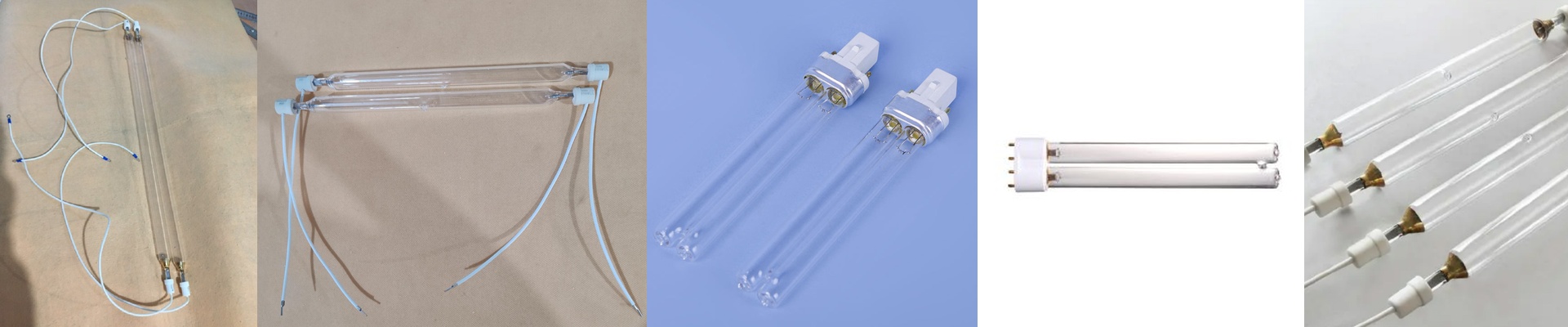
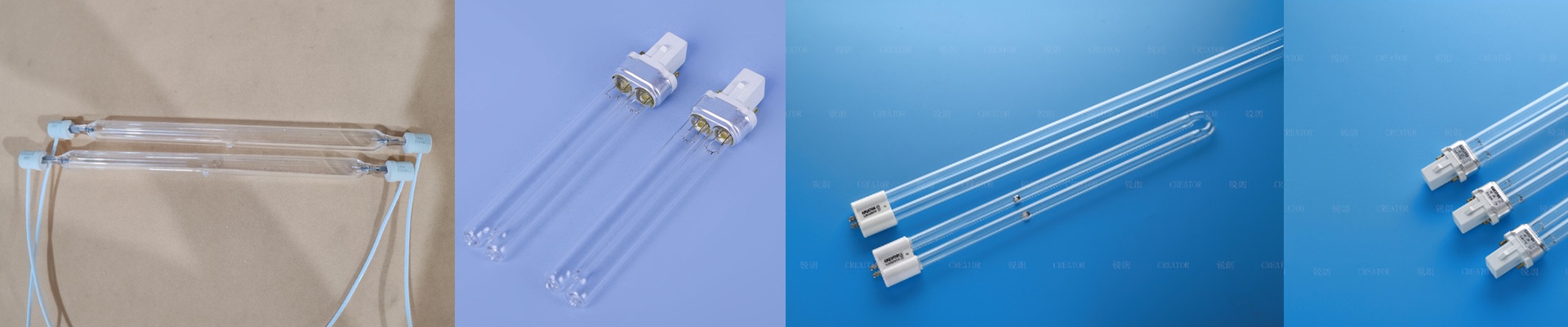
Walking around the 2026 Printing Exhibition, it felt like everyone was talking about the same thing: moving away from basic lamps and toward integrated UV modules. But here’s the thing. There is a massive gap between how much UV light a lamp puts out and how fast an automated conveyor actually needs it to cure. We built our custom modules to fix that exact headache.
The heat problem (and how to kill it)
Most off-the-shelf lamps just can’t keep up. They struggle to keep the light steady across the whole width of the material. We solved this by using high-density LED arrays. Because we can tweak the current drivers, we can dial in the wattage to fit your specific ink and your specific line speed. It’s not a one-size-fits-all deal. But there’s a catch: high power means a lot of heat. If you push these things to the limit without a plan, the wavelength starts to drift. To stop that, we use active liquid cooling or forced-air heat sinks to keep everything chill. Just make sure your shop’s cooling loop can handle the load, otherwise, the modules will just throttle themselves to stay alive.
It’s more than just a bulb
We aren’t selling you a lightbulb. We’re giving you a drop-in module. We kept the footprint small because we know how cramped automation cells get. No one wants a bulky piece of gear taking up half the floor. We also used industrial-grade connectors so you don’t get that annoying signal noise from nearby servo motors. Everything is wrapped in anodized aluminum. It keeps the UV light inside where it belongs and keeps your team safe.
No more “cold spots”
Ever deal with those annoying cold spots where the ink just doesn’t set? It’s a nightmare. We use custom optical reflectors to flatten the light distribution. Now, the edges cure just as well as the center. This means you can stop slowing down your line just to make sure the edges are dry. It takes the guesswork out of the whole thing. You wire it up, set your intensity, and the ink sets instantly. Plus, because the curing happens so fast, the actual curing zone is much shorter. That frees up a good chunk of your floor space for other gear.