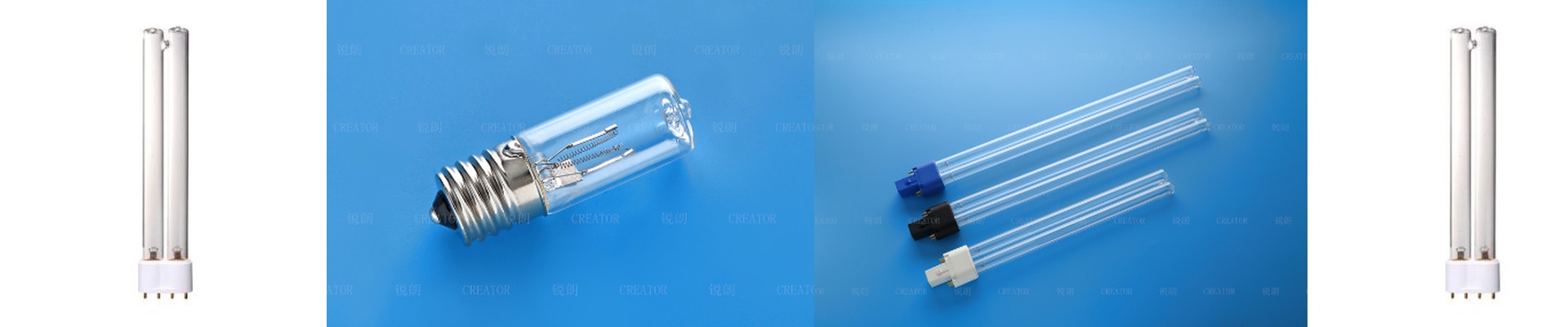
How to actually make your UV curing tubes last
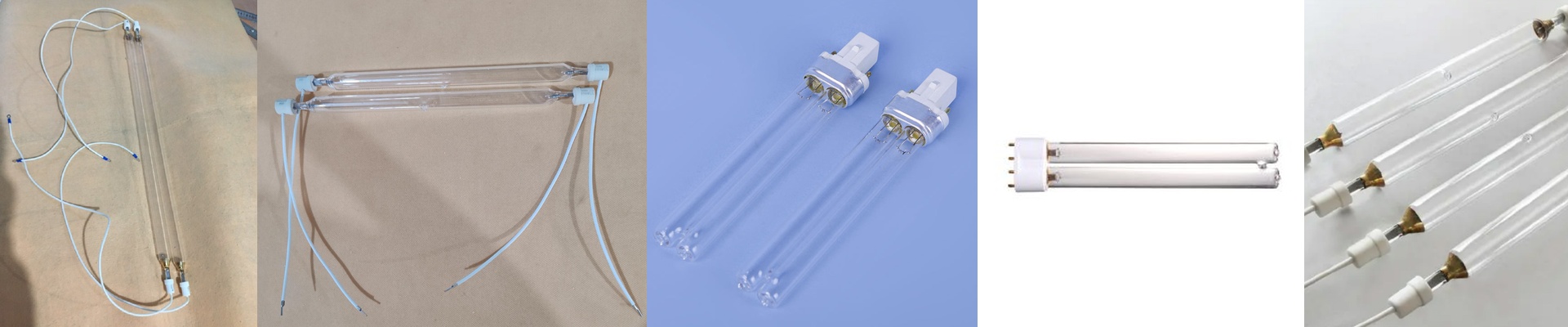
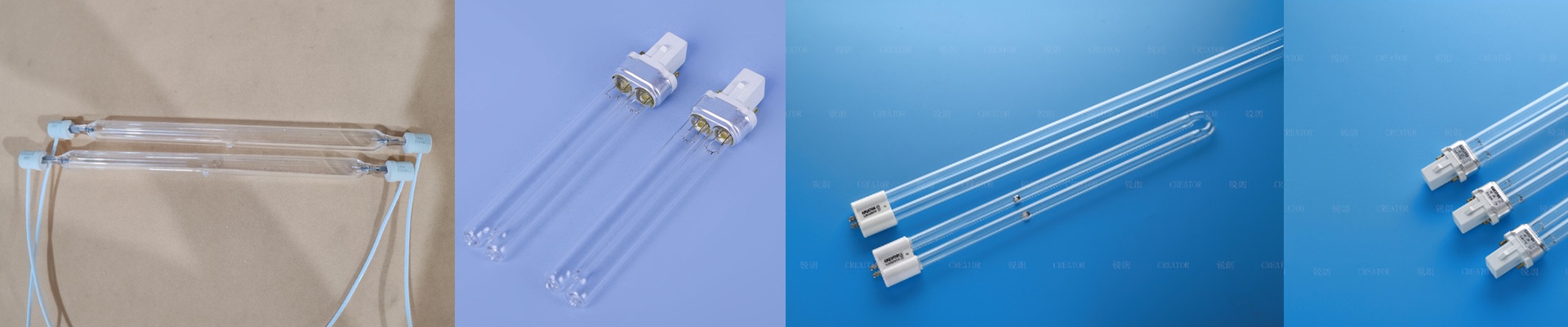
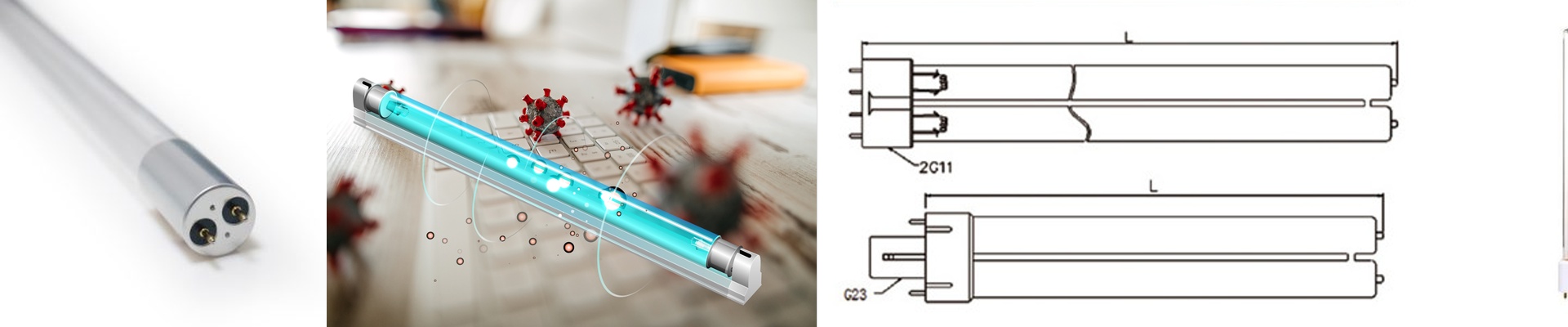
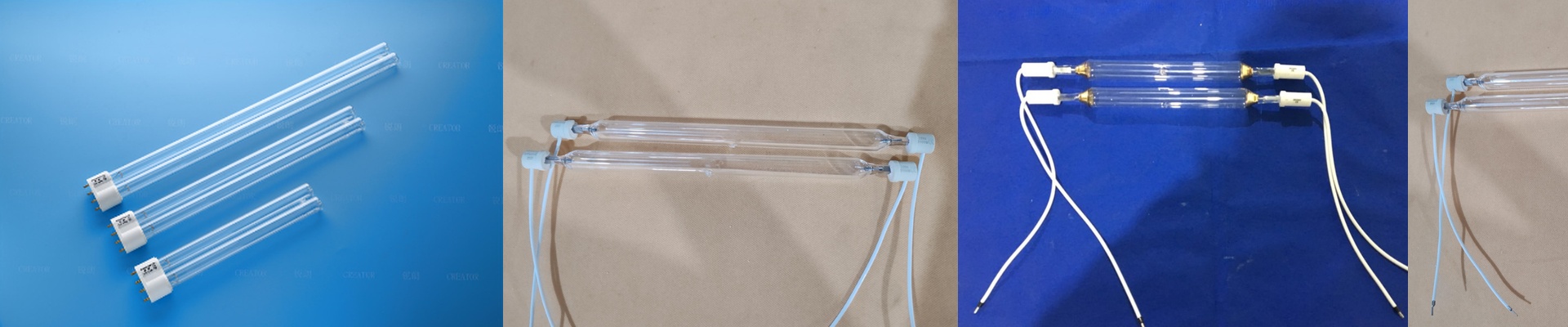
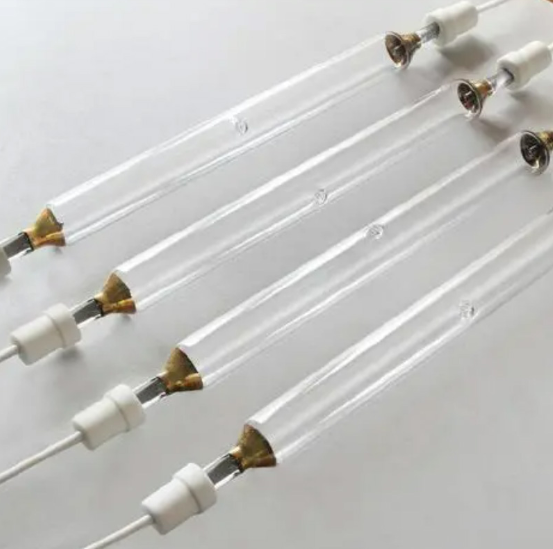
Let’s be honest: nobody likes it when a curing lamp starts to fade right in the middle of a massive production run. You notice the cure isn’t as crisp, and suddenly you’re slowing down the conveyor belt just to keep things from coming off the line tacky. It’s a headache you don’t need. We build our long-life mercury tubes specifically for those 24/7 cycles. No dips in power, no sudden drops in irradiance—just steady performance. The secret is in the glass Most people don’t think about the quartz envelope, but it’s everything. Cheap glass “solarizes.” That’s just a fancy way of saying it gets cloudy over time because the UV radiation is literally eating the material. We use high-transmittance fused quartz. It stays clear. It keeps the light moving. When the glass stays clean, your output stays high, and your belt keeps moving at full speed. Dealing with the heat High-wattage tubes get hot. Like, really hot. If your cooling fans or water jackets aren’t up to the task, you’ve got a problem. When a tube overheats, the mercury vapor pressure shifts and you lose that peak wavelength you need for a perfect cure. Plus, it burns out the electrodes way faster than it should. It’s a balancing act. More power means faster lines, but it means you’ve got to make sure your cooling system can actually handle the sweat. Just swap them in and go We didn’t want to make this complicated. These are designed as simple drop-in replacements for the big-name brands. We obsessed over the seal integrity and the fit of the electrodes so you don’t have to worry about arcing at the end caps. Here is the deal: we don’t do fluff. We just match the irradiance specs your specific resin needs. If our lamps don’t hit the same benchmarks as the expensive brand-name versions, we’ll give you your money back. Simple as that.