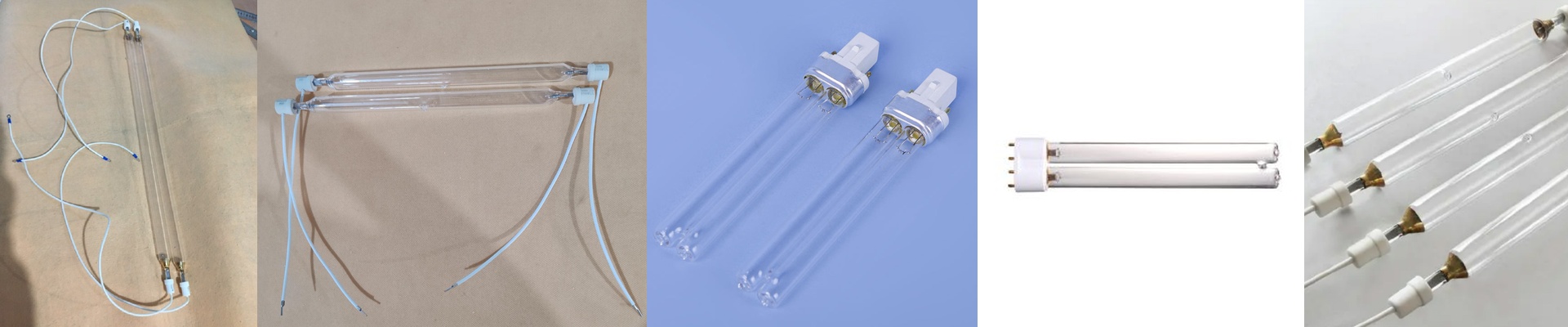
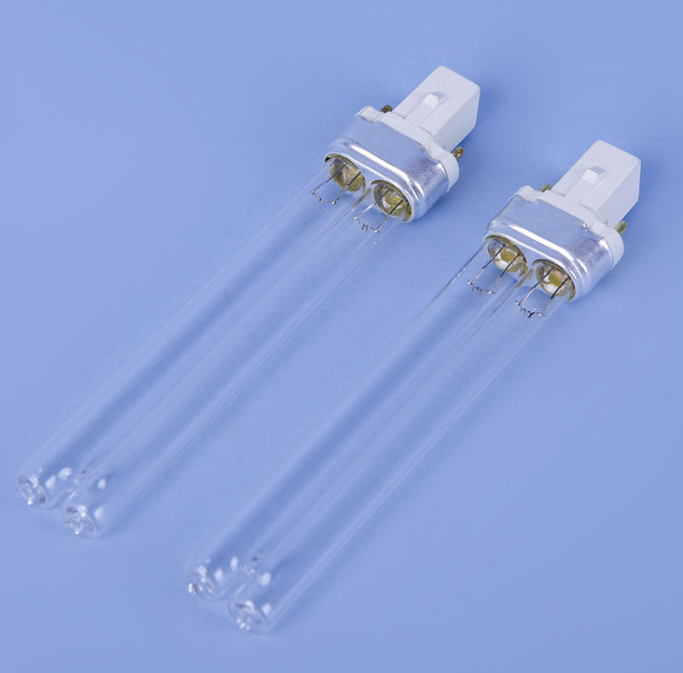
Getting Your UV Wavelengths Right
We don’t just sell lamps. We’re really in the business of controlling light. In our labs, we obsess over something called spectral purity. It sounds fancy, but here’s the reality: if you’re sterilizing a surface or curing a resin, being off by just 10 nanometers is a disaster. You end up with a tacky, sticky mess instead of a finished product, or worse, a “sterile” surface that’s still crawling with bacteria.
The trick to the light
Most of the cheap UV lamps you find online bleed energy everywhere. They’re messy. We do things differently. By tweaking the gas mixture and how we treat the quartz glass, we force that light into a tight, narrow band. If you’re killing germs, we hit that 253.7nm sweet spot to wreck microbial DNA. For curing, we match the light exactly to what your photoinitiator needs. It’s cleaner. It’s more efficient. And it keeps your materials from overheating and warping.
Where the cheap stuff fails
You can’t just use any glass. Standard glass blocks UV light completely. We use high-purity fused quartz so the light actually gets out. Then there are the electrodes. This is where the budget lamps usually give up the ghost. We use thoriated tungsten because it doesn’t burn out nearly as fast at the ends of the arc. But look, you have to be smart about heat. High-intensity UV getshot. If your cooling fans aren’t up to the task, that quartz tube will expand and then—snap—it cracks. I’ve seen it happen way too often when people chase raw power but forget about the airflow.
Making it work in the real world
We built these to be drop-in replacements. We kept the footprint small so they actually fit into those cramped curing tunnels without you having to rebuild your entire line. One pro tip: use a stabilized power supply. If your power flickers, your curing will be uneven, and you’ll see those annoying streaks on your finished parts. Just keep in mind there’s always a trade-off. If you crank up the intensity for more throughput, your lamps won’t last as long. You’ll be swapping tubes more often. It’s just a matter of balancing your line speed against how often you want to do maintenance.