Let’s Talk About Custom Gallium Iodide UV Lamps
If you’ve ever tried using a standard mercury lamp and realized it just wasn’t hitting the right spot—specifically in that 250nm to 350nm range—you know the frustration. Some photochemical reactions are just picky. That’s where our Gallium Iodide (GaI) lamps come in.
Getting the Chemistry Right
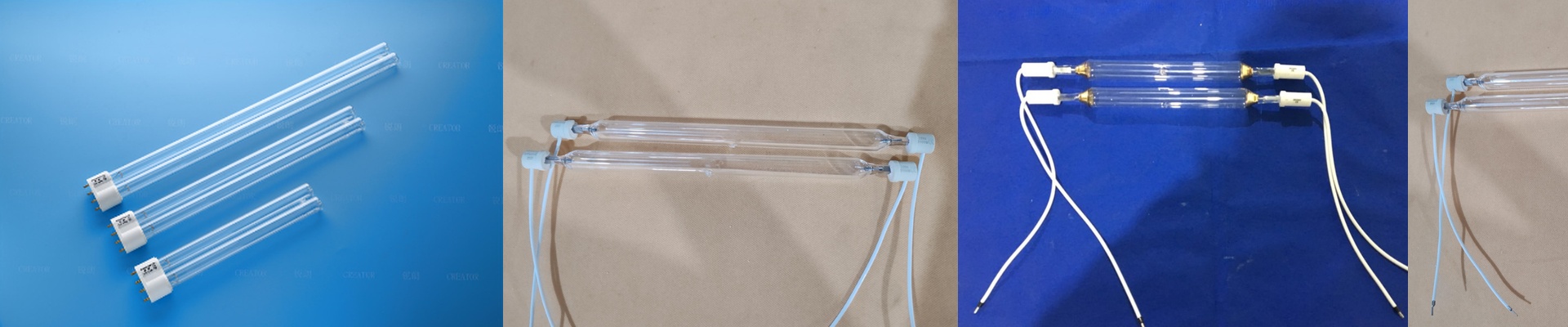
Here’s the thing: these lamps aren’t off-the-shelf parts. It all comes down to the balance between the Gallium and the Iodine. We spend a lot of time tweaking the filling pressure because that’s what actually shifts the emission peaks. It’s a delicate game. If the pressure is off by even a tiny bit, your spectral output drifts. Suddenly, your curing or etching times are all over the place, and you’re staring at a batch of ruined parts. We don’t do “one size fits all” here; we tune the mix to hit your exact wavelength.
Heat and Hardware
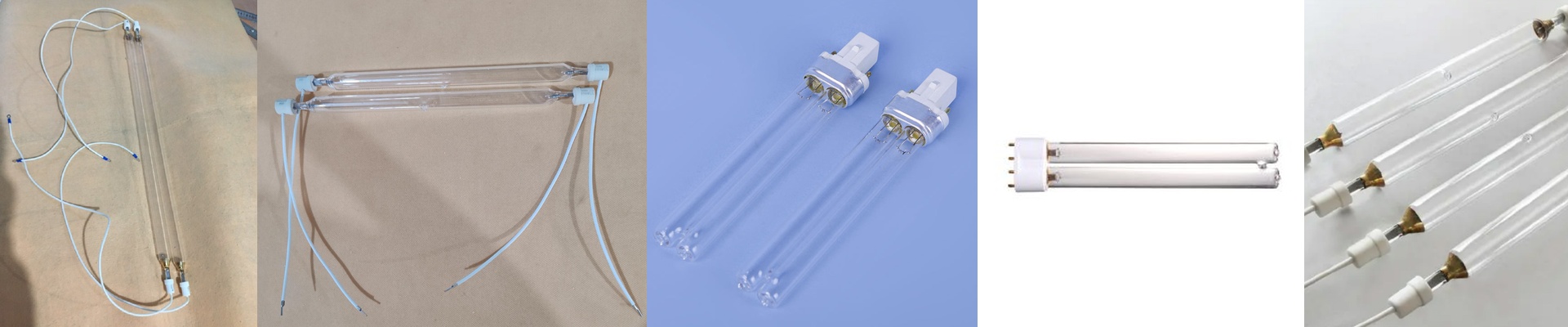
We use high-purity synthetic quartz for the envelope. Why? Because regular glass would just block the UV-C rays, and honestly, it would probably melt. These lamps runhot. Like, really hot. You’ll want to make sure your housing has a solid cooling loop or a forced-air system. If the quartz gets too stressed from the heat, it’ll crack, and then you’ve got a real mess on your hands. One thing we’re proud of is that we handle everything ourselves—from the raw quartz tubing to the final electrode seals. Since we own the whole supply chain, we can keep the costs down without cutting corners on the materials.
Making it Work in Your Shop
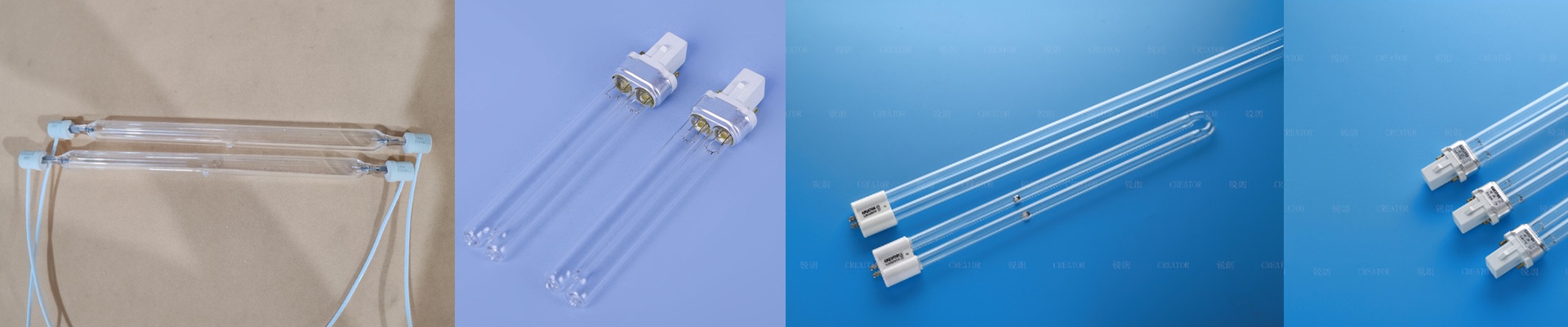
If you’ve already got industrial UV arrays, these should slide right in. We can adjust the length and where the electrodes sit so they fit your current footprint without you having to rebuild your entire machine. But, a quick heads-up on two things: First, these aren’t “instant-on” lamps. They have a different warm-up profile than what you might be used to. They need a moment to hit full intensity. You’ll need to bake that ramp-up time into your cycle timer, otherwise, those first few units on the line are going to be under-cured. Second, don’t eyeball the ballast. You need a proper match. If the voltage is wrong, you’ll burn through your electrodes way faster than you should.