A No-Nonsense Guide to Mercury UV Lamps for Textile Curing
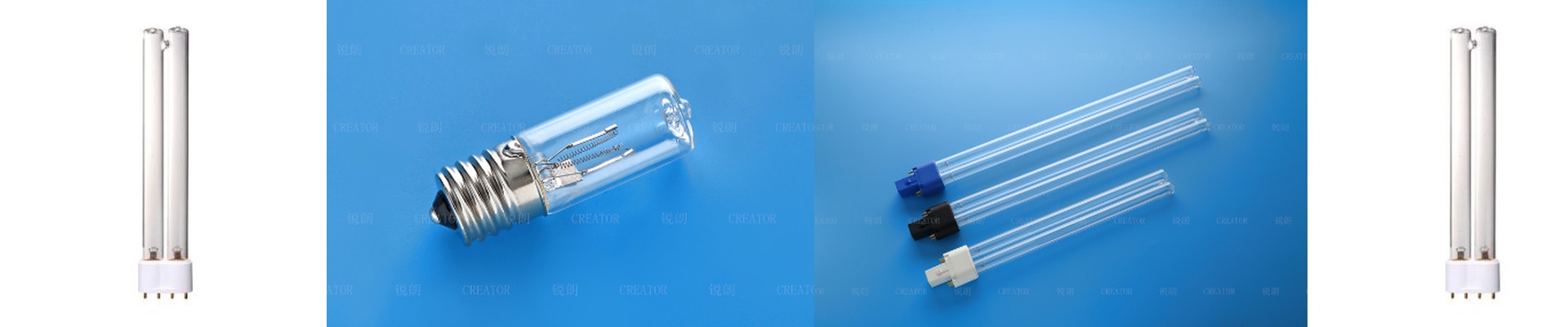
If you’re in the textile game, you know that mercury UV bulbs are basically the heavy lifters of the curing process. They do the dirty work of blasting your inks with enough ultraviolet light to lock everything in place. Without them, your prints would just bleed or peel off the fabric the moment they hit a washing machine.
How the magic actually happens
Here is the deal: we use mercury vapor because it hits those UVC and UVB peaks perfectly. When you flip the switch, an electrical arc turns that mercury into a vapor, shooting out photons that kickstart the photo-initiators in your ink. It happens in a blink. It’s fast, it’s high-energy, and it’s why your line keeps moving.
Picking the right bulb (and not blowing it)
When you’re buying wholesale, you have to be careful. Your ballast and your lamp need to be on the same page regarding wattage and voltage. If they aren’t, you’re looking at a short lifespan or a bulb that just doesn’t hit the intensity you need. But here is the part people often forget:heat. These tubes handle a ton of current, and that creates a lot of warmth. If your cooling fans are dusty or your water jackets aren’t up to the task, that quartz glass is going to stress. Then it cracks. And that’s a bad day for everyone.
Getting them into your line
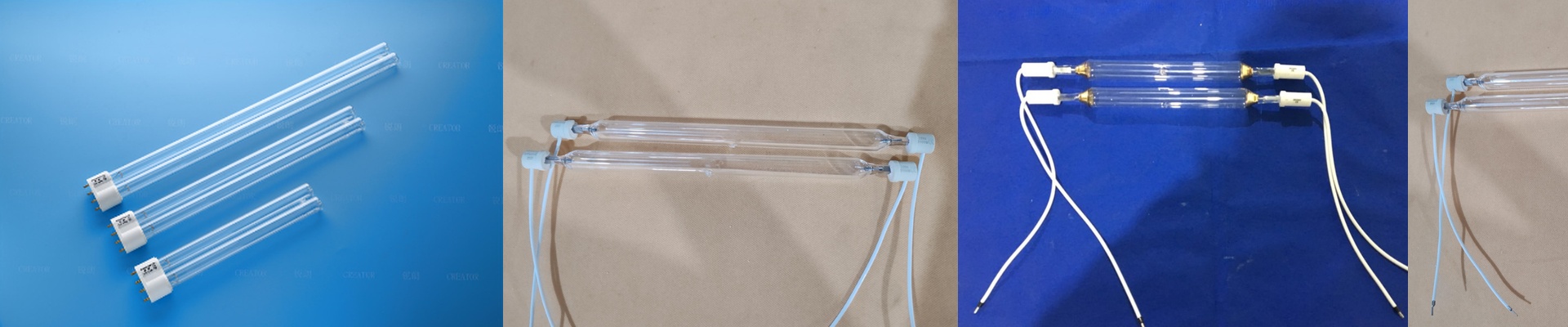
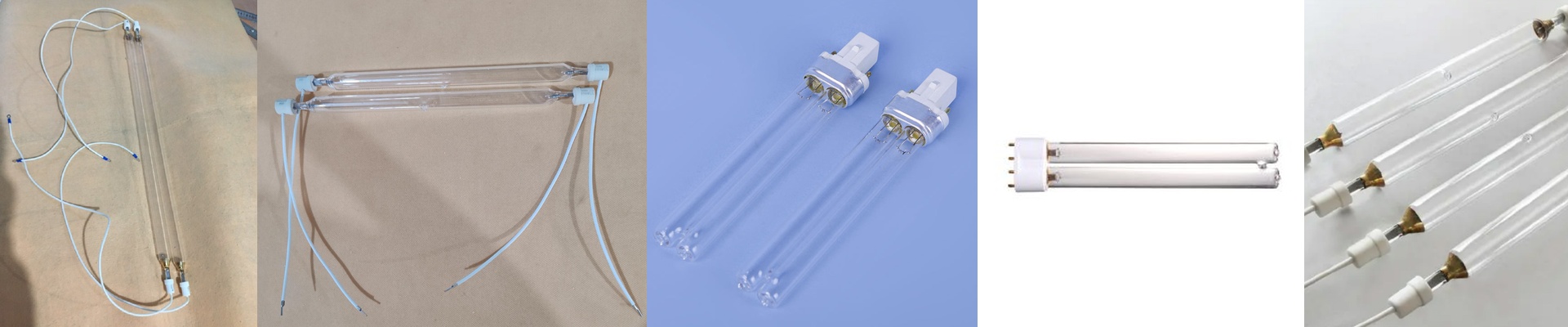
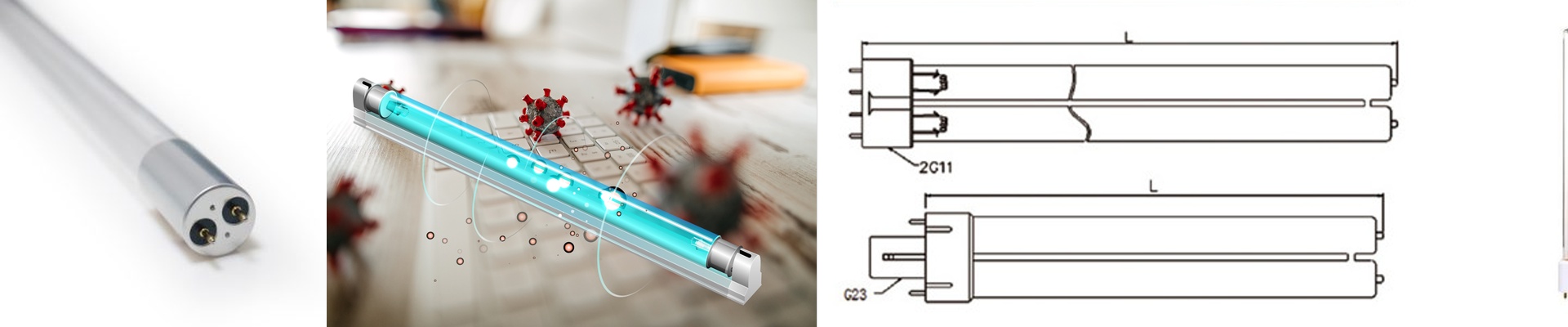
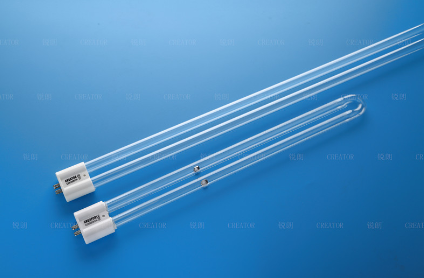
We designed these to be simple drop-in replacements for your existing arrays. We spend a lot of time obsessing over the end-cap seals and the electrodes because a tiny gas leak means the lamp is trash. Period. You’ll usually see these sitting in conveyor systems. The goal is to get a steady, even dose of UV across the whole width of the fabric. If you’ve got a mix of old and new bulbs—or the wrong wattage—you’ll start seeing “striping.” You know the feeling: those annoying tacky spots where the ink just didn’t set.
The reality of maintenance
Mercury lamps don’t last forever. They fade. The tricky part is that the lamp might still look like it’s glowing, but the actual UV output is dropping as the electrodes wear down. My best advice? Keep a log of your hours. Once you hit the rated lifespan, swap the whole set. Don’t try to mix and match old bulbs with new ones. It leads to uneven curing, and there’s nothing worse than ruining a whole batch of fabric because you wanted to squeeze a few more hours out of a dying bulb.