Why That CE Mark Actually Matters for Your Quartz UV Tubes
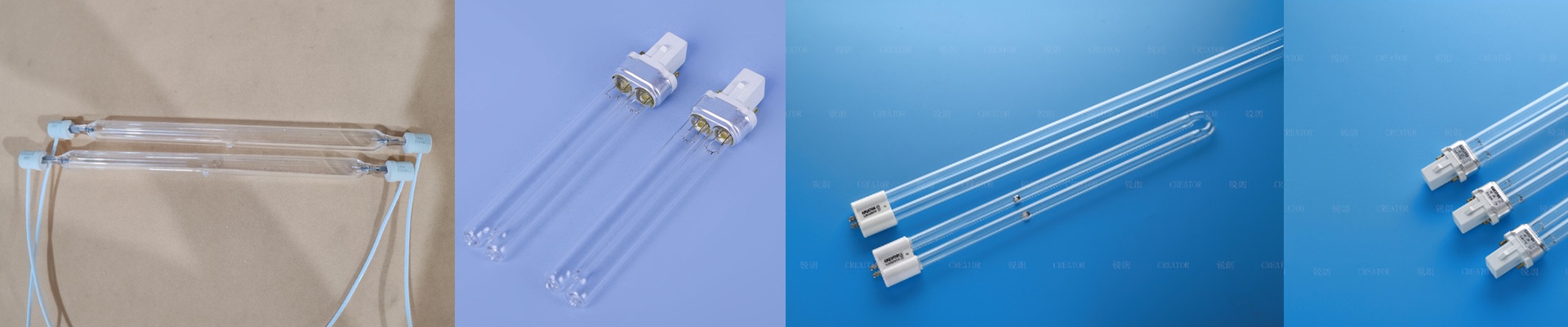
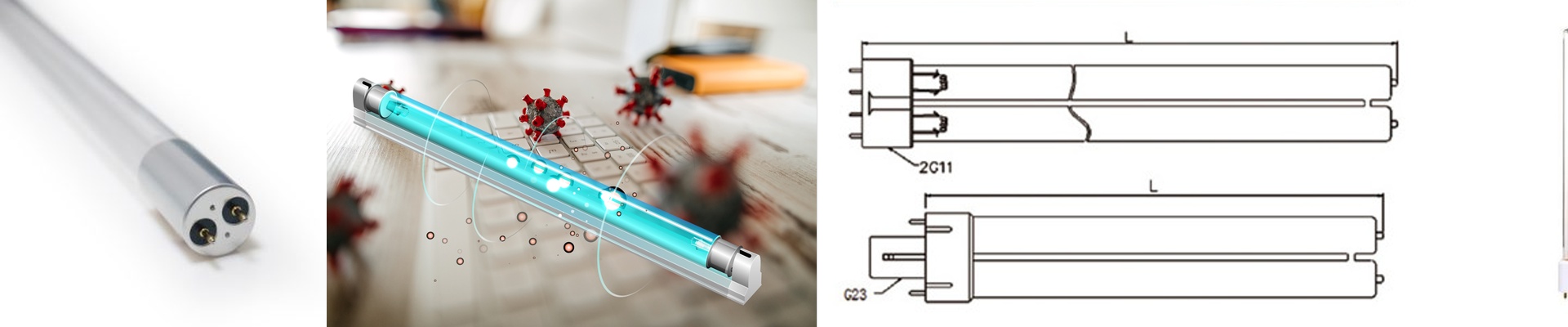
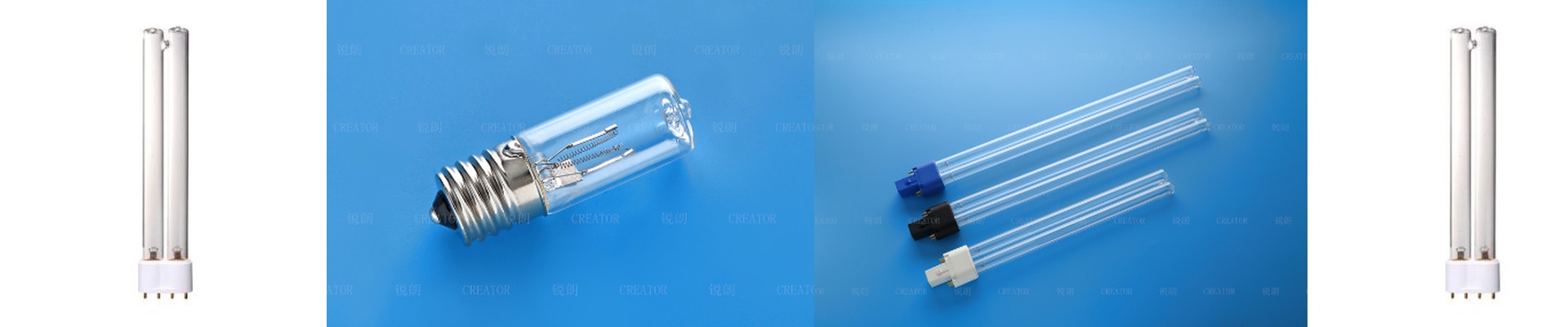
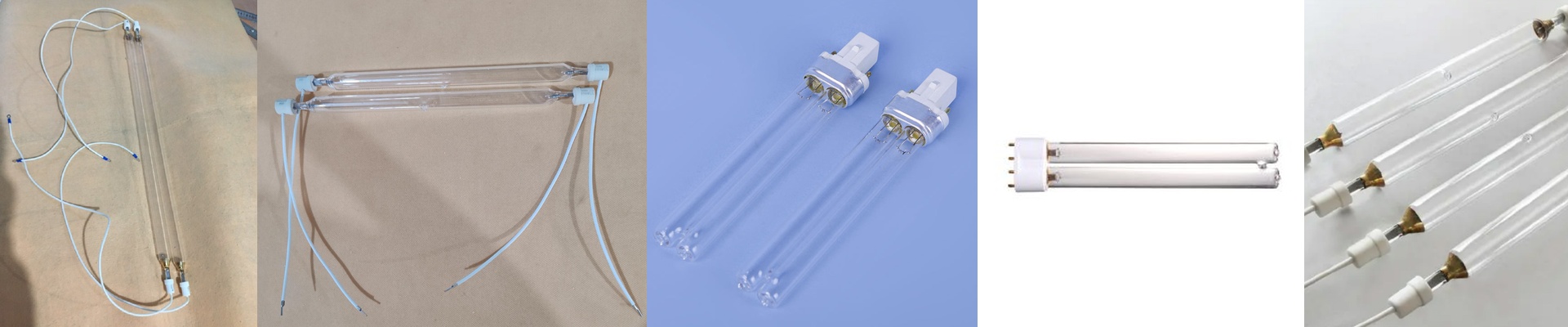
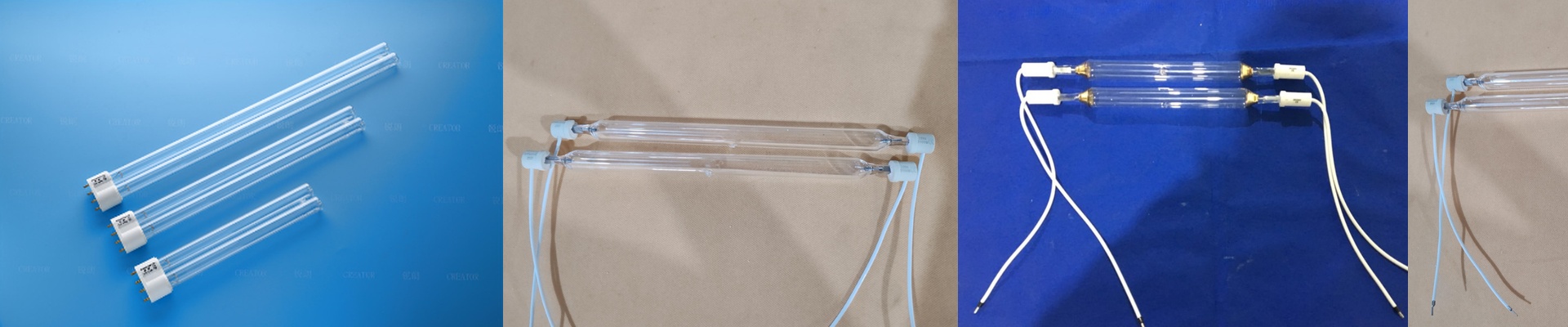
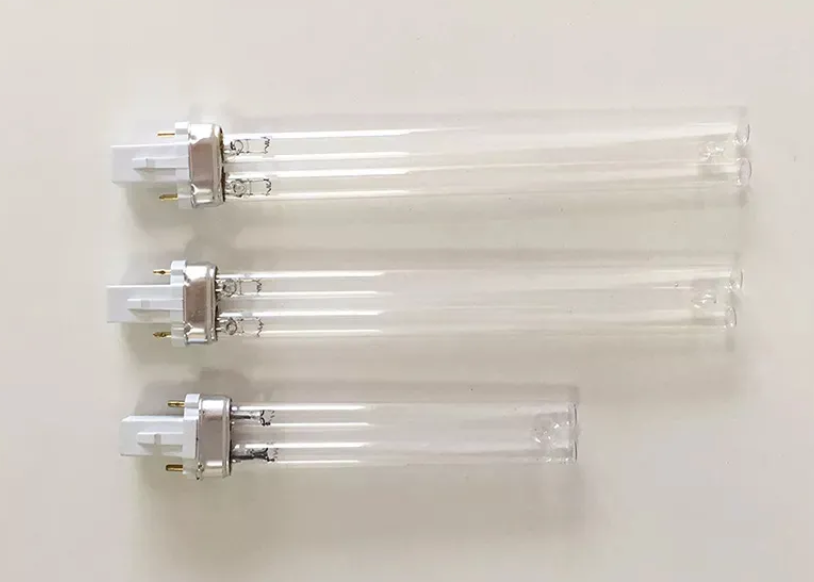
When you’re buying quartz UV lamps in bulk, it’s easy to look at the CE mark as just another piece of paperwork. Some people see it as a hoop to jump through. But from where we sit as manufacturers, it’s more like a safety net. It’s the baseline that keeps your high-voltage industrial setup from blowing a fuse or, worse, starting a fire. The grit behind the label Think of a quartz tube as a high-temperature pressure vessel. It’s a delicate balance. If the seal between the electrode and the quartz is off by even a tiny fraction of a millimeter, the whole thing can leak or just burn out way too soon. We spend a lot of time obsessing over dielectric strength and thermal leakage. We also run tests for electromagnetic compatibility (EMC). Why? Because the last thing you want is for your UV output to mess with your PLC controllers or trigger a glitch in your sensor arrays. That’s a nightmare nobody needs. Playing it safe If you’re selling into Europe or North America, your clients aren’t just looking for a certain amount of UV output. They want to know the lamps won’t fail unpredictably. A cheap, non-certified lamp might hit the right microwatts on a spec sheet, but it often lacks the insulation needed to run 24/7. Using CE-certified tubes means you can sleep better knowing you aren’t gambling with your insurance premiums or failing a site safety audit. The real cost of “cheap” Here’s the honest truth: staying compliant costs more. We have to use higher-grade fused quartz and be incredibly precise with the gas fills. You’ll pay more upfront. But you save a fortune on the back end. You avoid the downtime that comes when “budget” tubes crack under thermal shock or fail right at the end-cap. When you’re scaling a production line, you need a known footprint. You want to set up your power supplies and cooling systems based on real, verified data—not a guessing game. It’s the difference between a part that just clicks into place and a massive technical headache.